





In an exclusive essay, author Brian Platzer writes of Mr. Keating, the influential teacher who inspired his new novel 'The Optimists'
Tony Yang
NEED TO KNOW
• Author Brian Platzer reflects on the profound impact his eighth-grade teacher, Mr. Keating, had on his life and career
• Mr. Keating officiated Platzer’s wedding and inspired his novel The Optimists, which honors his teaching legacy
• The Optimists will be released on Feb. 24 and is now available for preorder
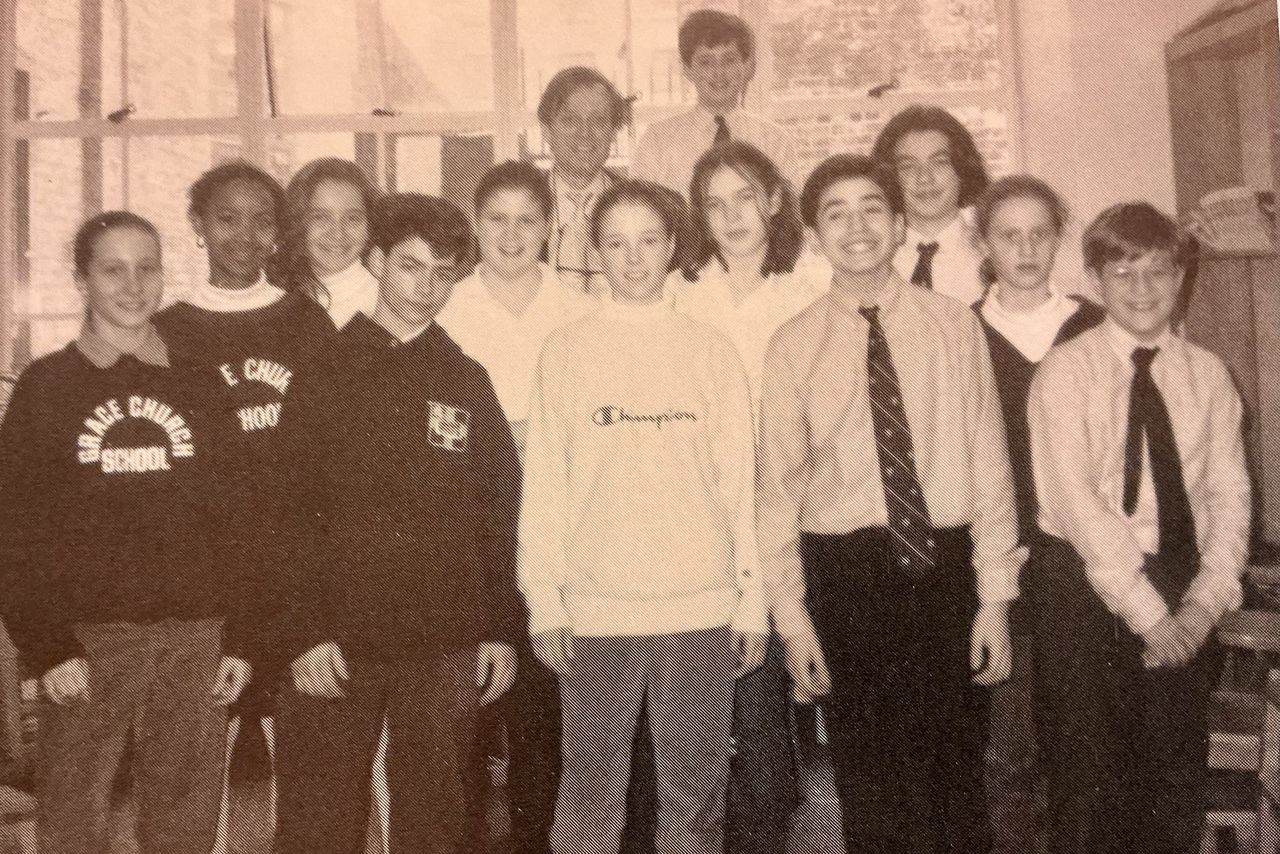
When I was in eighth grade, Mr. Keating performed Animal Farm in our classroom, leaping down the aisle, fists pumping, eyes wide, accusing my friend Rachel of betrayal: “How could you do it, Napoleon? How could you turn on the other animals like that?” Rachel blushed, we laughed, and I began to understand that teachers could step outside their prescribed roles, that teaching could be a performance.
Mr. Keating made George Orwell, William Shakespeare and Gwendolyn Brooks matter to us not just because of what they had written years earlier, but also because of how he presented their work to us in the present day. He made literature important to me in a way nothing at school had ever felt important before. For the first time in my life, I wanted to read. I even wanted to try, one day, to write.
I studied literature in college, then earned an MFA in fiction. I sent Mr. Keating what I thought was the best of my work. After grad school, as I was struggling to pay for rent and healthcare, Mr. Keating shoehorned me in to teach a couple of classes at my old school. I hadn’t been the best student in eighth-grade English — he’d chosen Matthew to run the newspaper and Zoë to edit the literary magazine — but he saw I needed help. He let me share his office, cluttered with books, stray papers and a jar of chocolate lollipops from See’s. I had once been his student, so of course he would do everything he could.
Courtesy of Brian Platzer
One afternoon, I watched him type out three pages of mnemonics and examples for a grammar lesson. He slipped the notes into a neat folder and walked into class. But then a student asked about the lyrics to “Low” by Flo Rida. Suddenly the whole period became a debate about rhyme and meter. Those three pages stayed in his briefcase. “Better their questions,” he said after class, “than mine.”
He read their writing with the same care, spending nights and weekends grading, line-editing, suggesting, questioning, spending his own salary on gourmet lollipops. That he spent more time grading an essay than the student spent writing it made sense to him. He was the one who could help.
The PEOPLE Puzzler crossword is here! How quickly can you solve it? Play now!
I sometimes sat in the back of his classroom to watch him teach. When Sarah refused to listen, he tapped a plastic magic wand against her notebook until she laughed. When David struggled with the concept of a topic sentence, Mr. Keating watched the boy’s face for 10 or 20 minutes before calling on him. “He needs time,” he whispered to me once, as though revealing a state secret. Now we call it differentiation when a teacher changes approaches to suit each individual student, but to him it was simply the only way to teach. I was in awe of him. I wanted to do what he did.
He said he’d help me teach, but I had to write, too. My writing, he said, made his teaching feel more important. We shook on it and began meeting daily to discuss scope and sequence, and classroom management.
Tony Yang
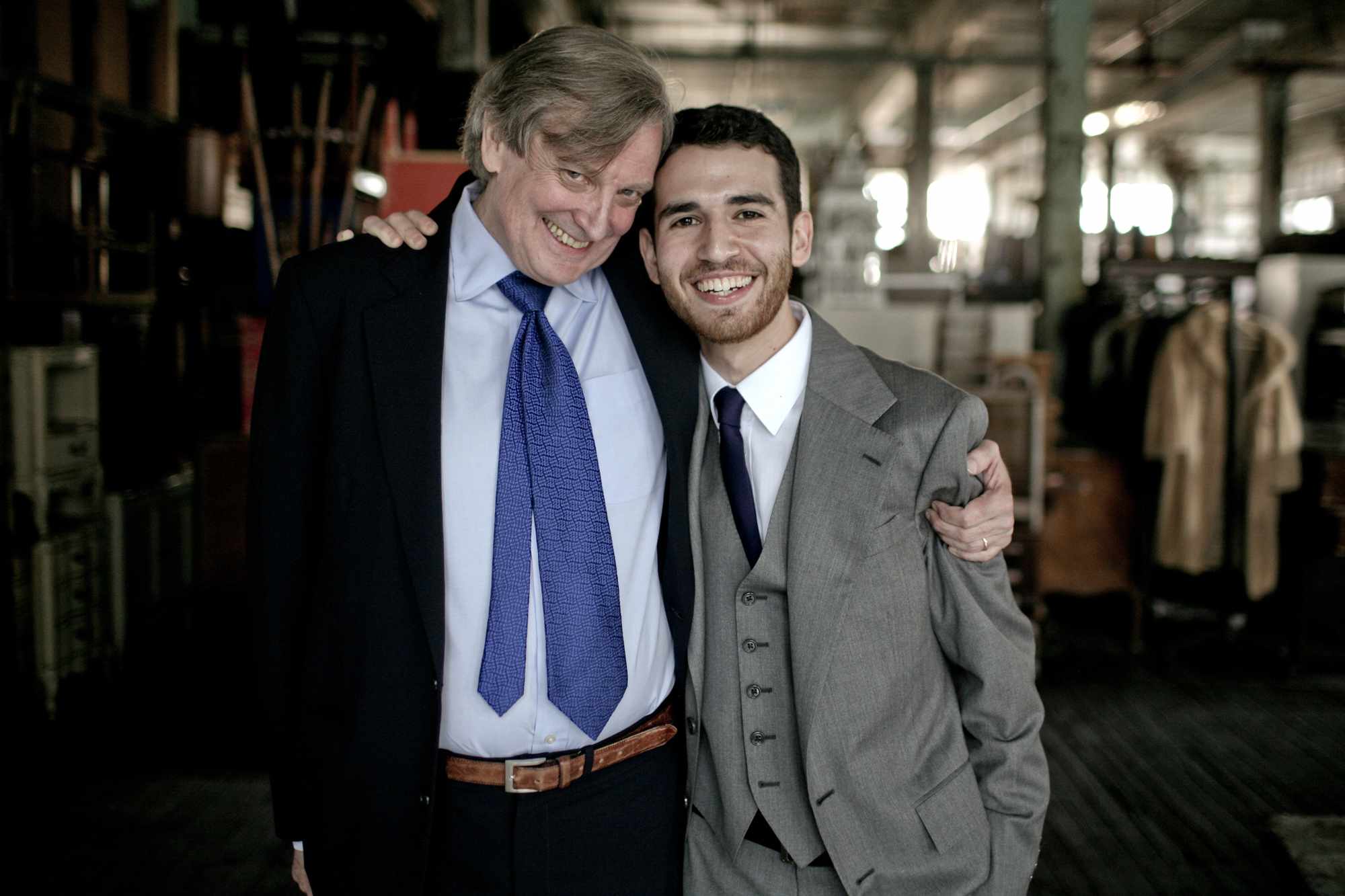
Teachers have thousands of students they are supposed to care for, while most students are blessed with one or two teachers who make a real difference. It was thrilling to matter to him the way he mattered to me. We became friends. I asked him to officiate my wedding.
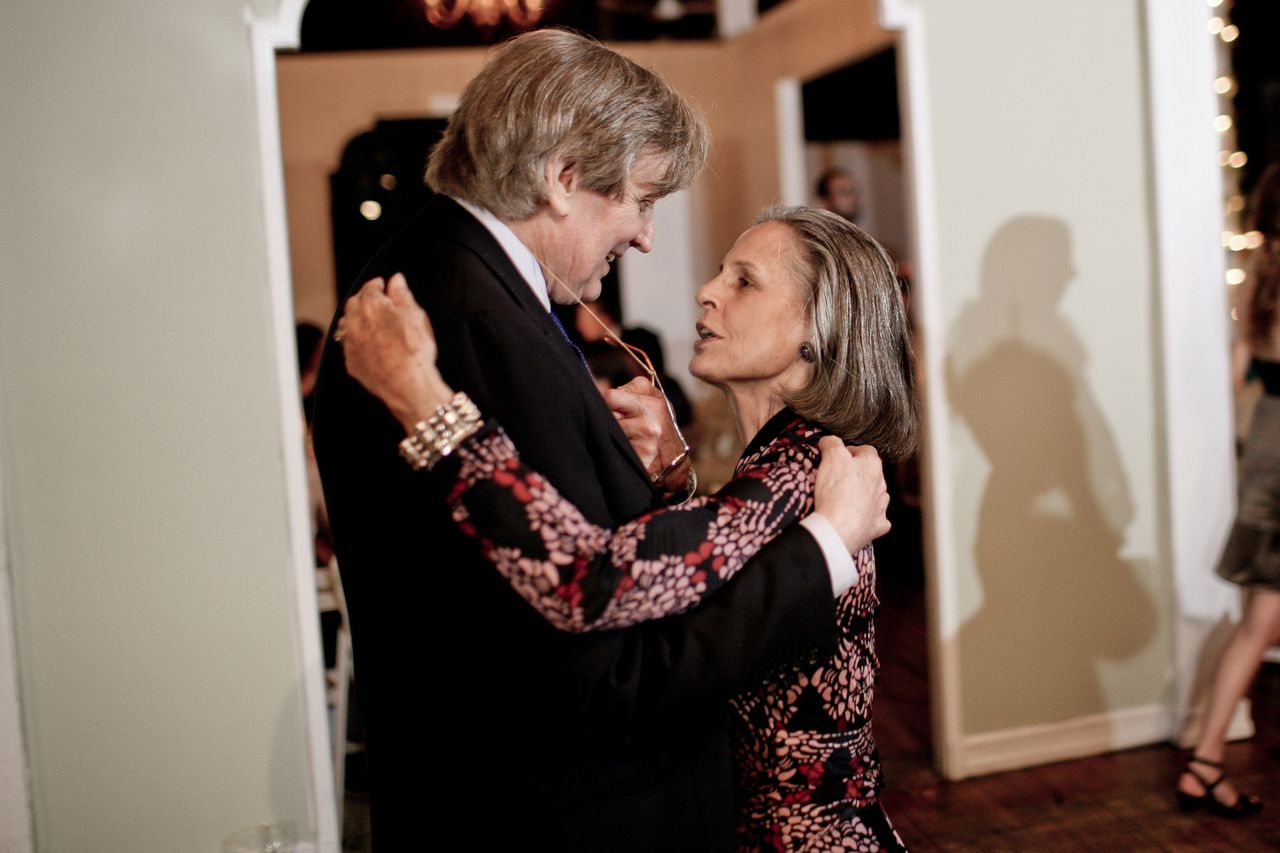
Mr. Keating got ordained by the Universal Life Church for the occasion. He started signing all his emails “The Rev.” On the day of the ceremony, his voice trembled: “On occasions such as this, so fraught with every kind of emotion and every kind of feeling, all of us reach for the future, have trouble with the present, but rely on the past as a way of finding a path to articulate our deepest and most private feelings.” Later that night, he danced with Caroline, his wife. None of us knew he had just one week left to walk, to speak, to dance. As he said good night, he pulled me aside. His only wish, he told me, was that my wife, Alex, and I would be as happy as he and Caroline were.
Days later, he had a stroke. The man who once read a novel every week and spoke in cascading sentences in multiple languages could no longer read or speak at all. For the last decade of his life, his body locked him inside. Those early months, I visited him in the hospital, then at his home. I read to him and shared news of his students, and then when they graduated, of my new ones. I told him about my first son, my first published novel, my second son, my second novel.
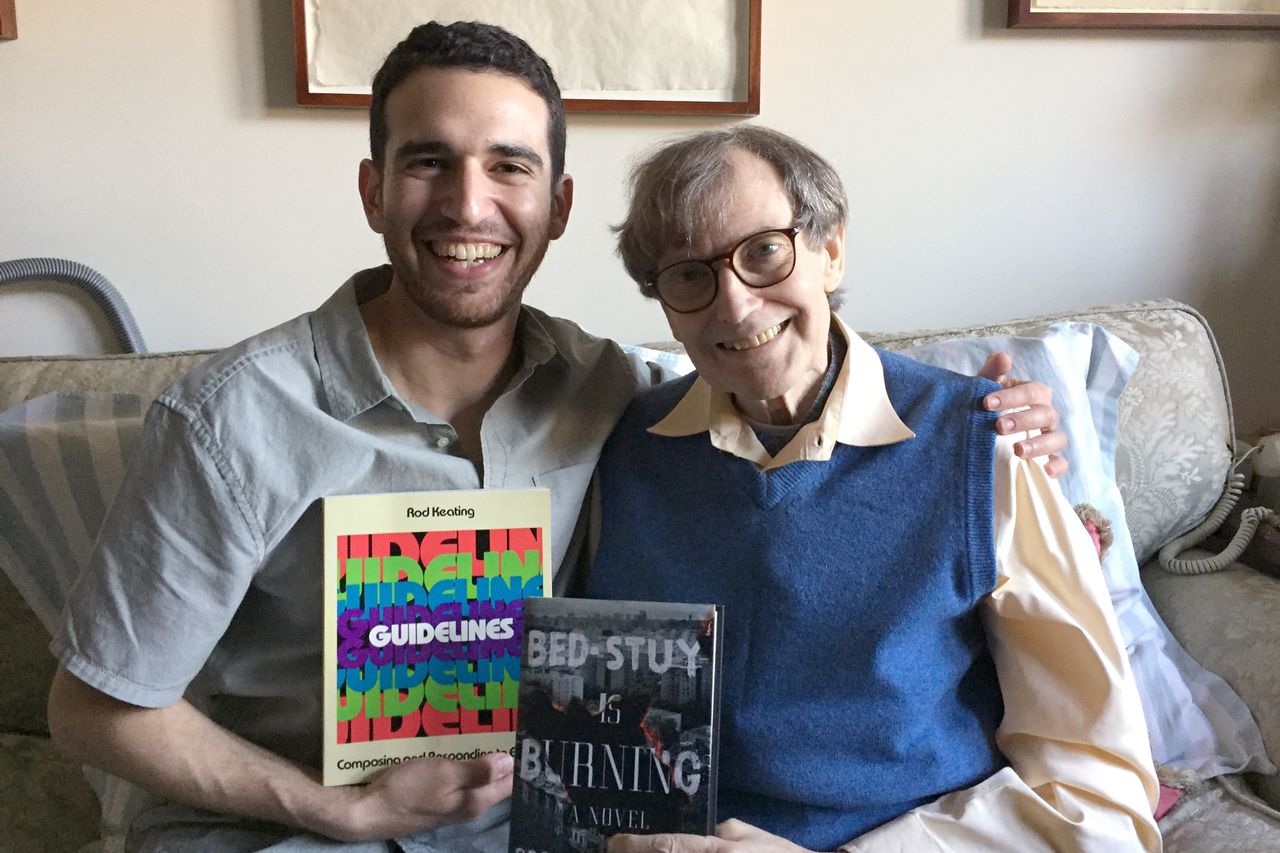
Courtesy of Brian Platzer
I loved him. But it was a love shaped by loss. I don’t know if I would have recognized loving him if I hadn’t lost him. He listened, eyes sharp, nodding, but I never knew if he was thinking in the brilliant cadences I remembered, or if language itself had been taken. That uncertainty haunted me more than his silence.
Never miss a story — sign up for PEOPLE's free daily newsletter to stay up-to-date on the best of what PEOPLE has to offer, from celebrity news to compelling human interest stories.
So when he died during the COVID-19 pandemic, I began to write once again. I invented a fictional way for him to communicate and started narrating a novel in his voice. With his jokes, grammar lessons and vision of the world as a place where anyone — teacher or student — could change anyone else’s life at any moment, I wrote as him, telling the story of his most extraordinary student, Clara, who is a combination of so many extraordinary students he and I have taught over the decades.
My novel, The Optimists, is my attempt to capture my teacher’s love for literature, teaching, and marriage. Mr. Keating changed the trajectories of so many students over his years in the classroom. Now, through The Optimists, I hope to share his influence with readers who never had the chance to be his student.
The Optimists by Brian Platzer will hit shelves on Feb. 24 from Little Brown and Company and is now available for preorder, wherever books are sold.
We independently evaluate all recommended products and services. If you click on links we provide, we may receive compensation.
Read the full article here