






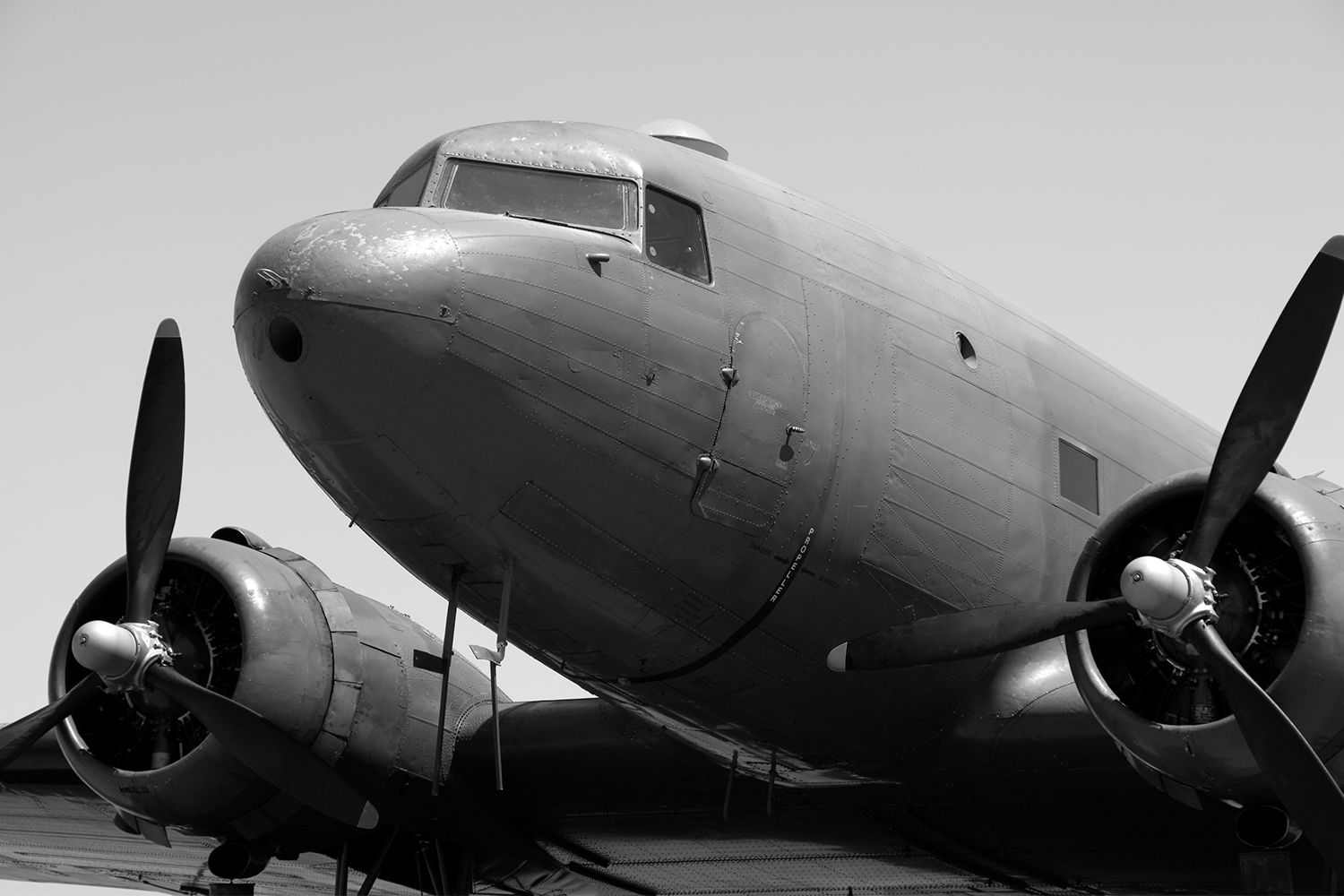
"It never leaves you," Bobby Sallis, a survivor from the crash, told PEOPLE in a 1996 interview
Credit: Getty
NEED TO KNOW
- In February 1954, an Air Force transport plane set off on a routine flight from Anchorage, Alaska, to Fairbanks, Alaska
- While midair, the C-47 mysteriously blew apart, killing 10 and leaving behind six survivors
- Over 40 years after the crash, the six men found in the wilderness spoke to PEOPLE about their terrifying experience and how it affected their lives
What began as a routine military flight over Alaska on Feb. 5, 1954, turned into a catastrophe that killed seven passengers, three crewmen and left six airmen — Rupert Pratt, Eli LaDuke, Huey Montgomery, Ed Fox, Ed Olsen and Bobby Sallis — scattered across a frozen wilderness, forced to fight for survival.
Forty-two years later, on Sept. 23, 1996, Sallis, a retired government contracts negotiator from Huntsville, Ala., spoke to PEOPLE about the terrifying experience that was seared into memory.
"It never leaves you," the then 64-year-old revealed. "Every time you hear about a plane crash anywhere, you're reminded. And you wonder: Why did I survive and others didn't? That's always the question."
Credit: Getty
For Pratt, who was just a young airman at the time of the crash, the memories remained just as vivid decades later.
By 1996, he was living as a retired elementary school teacher in Scotia, N.Y., and though years had passed, questions tied to that day never fully faded. He often thought about the other five men who had survived alongside him, but he had eventually lost touch with.
“I guess with all the time that's passed, [finding them] seemed a pretty daunting task,” Pratt, 63 at the time, told PEOPLE.
That all changed, however, when the 42nd anniversary of the crash rolled around and Pratt decided to use a CD-ROM containing millions of U.S. phone listings to locate the men and coordinate a reunion.
“I woke up thinking about it and decided to give it a shot,” he recalled.
Credit: Getty
The first call Pratt made was to LaDuke, a retired electronics engineer living in Ellenton, Fla. When then-62-year-old LaDuke picked up the phone, he was asked a question that reached back more than four decades.
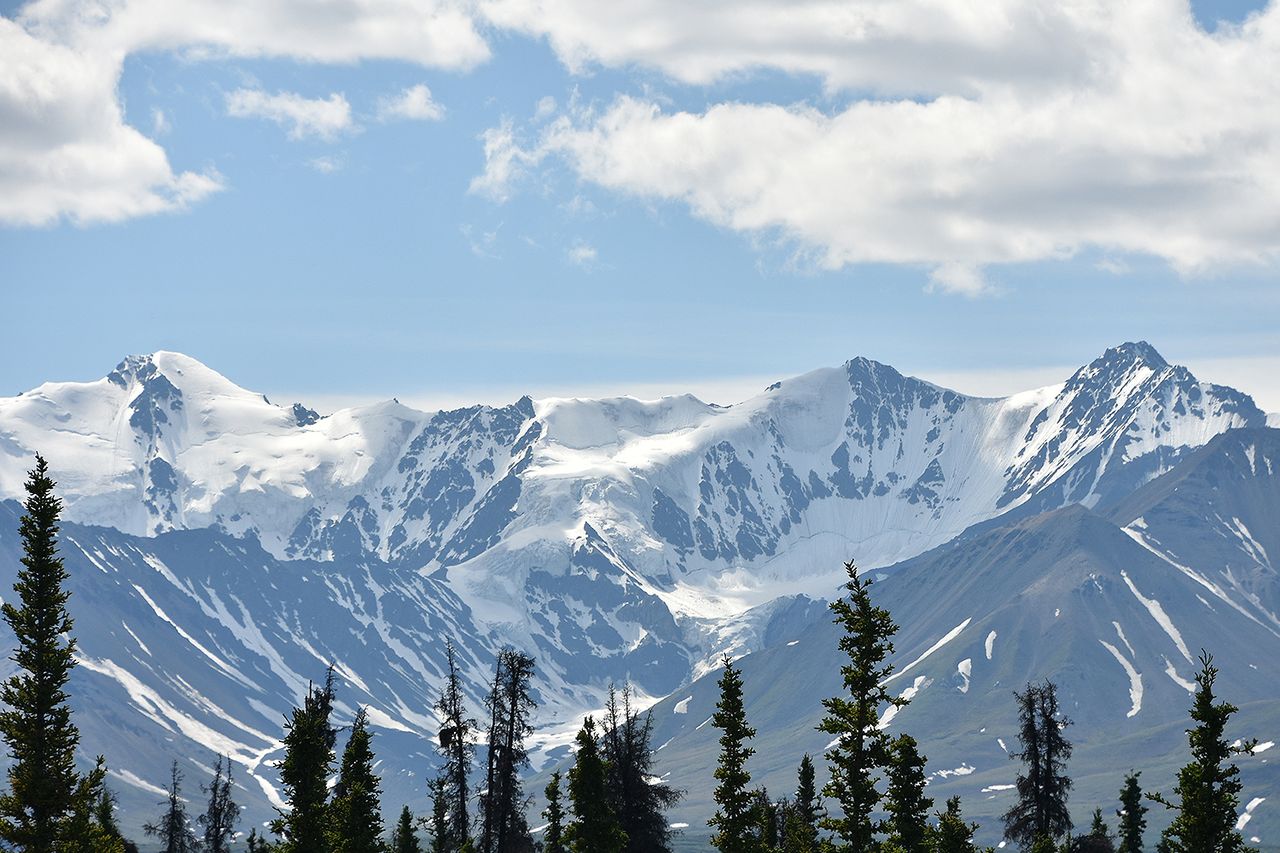
“Mr. LaDuke, do you recall where you were on Feb. 5, 1954?” Pratt asked. After a brief pause, LaDuke answered, “In Alaska, near Mount McKinley.”
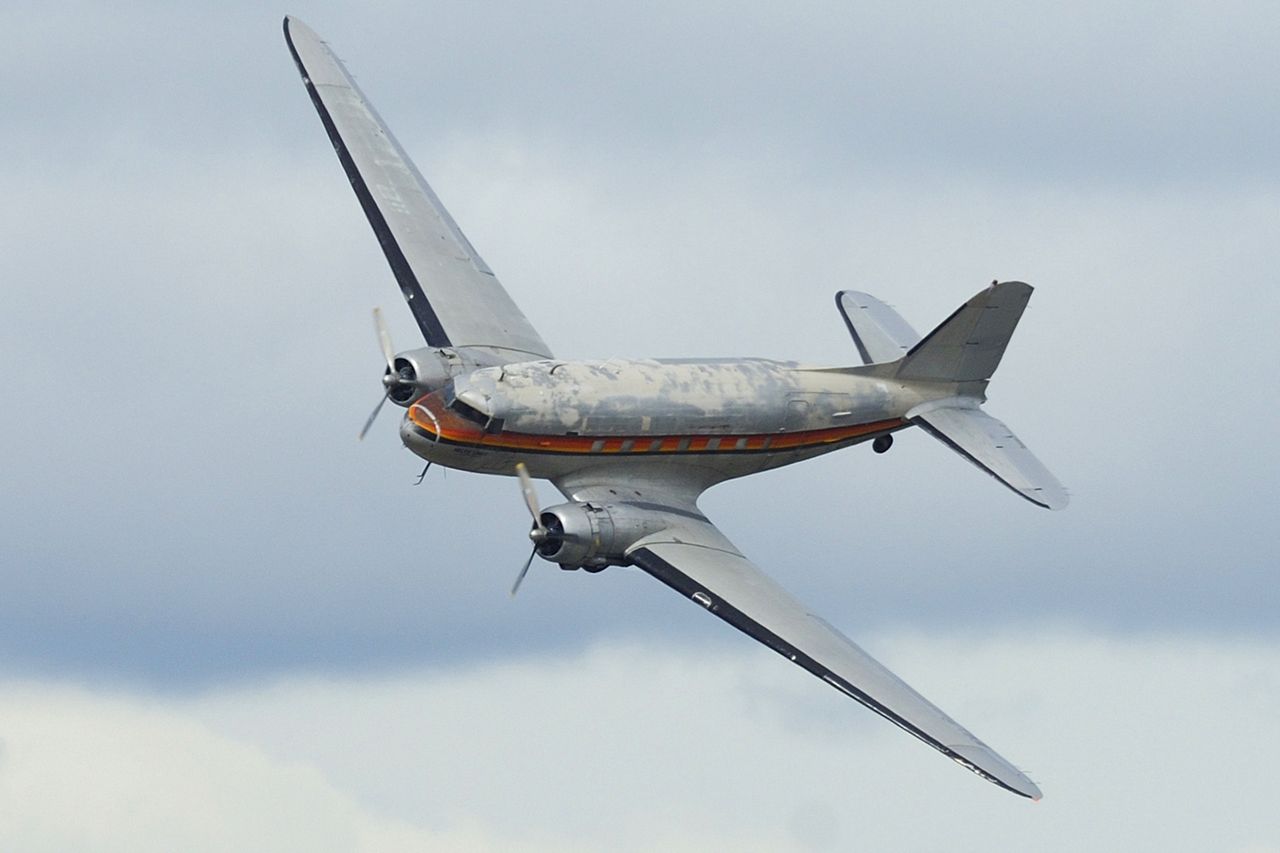
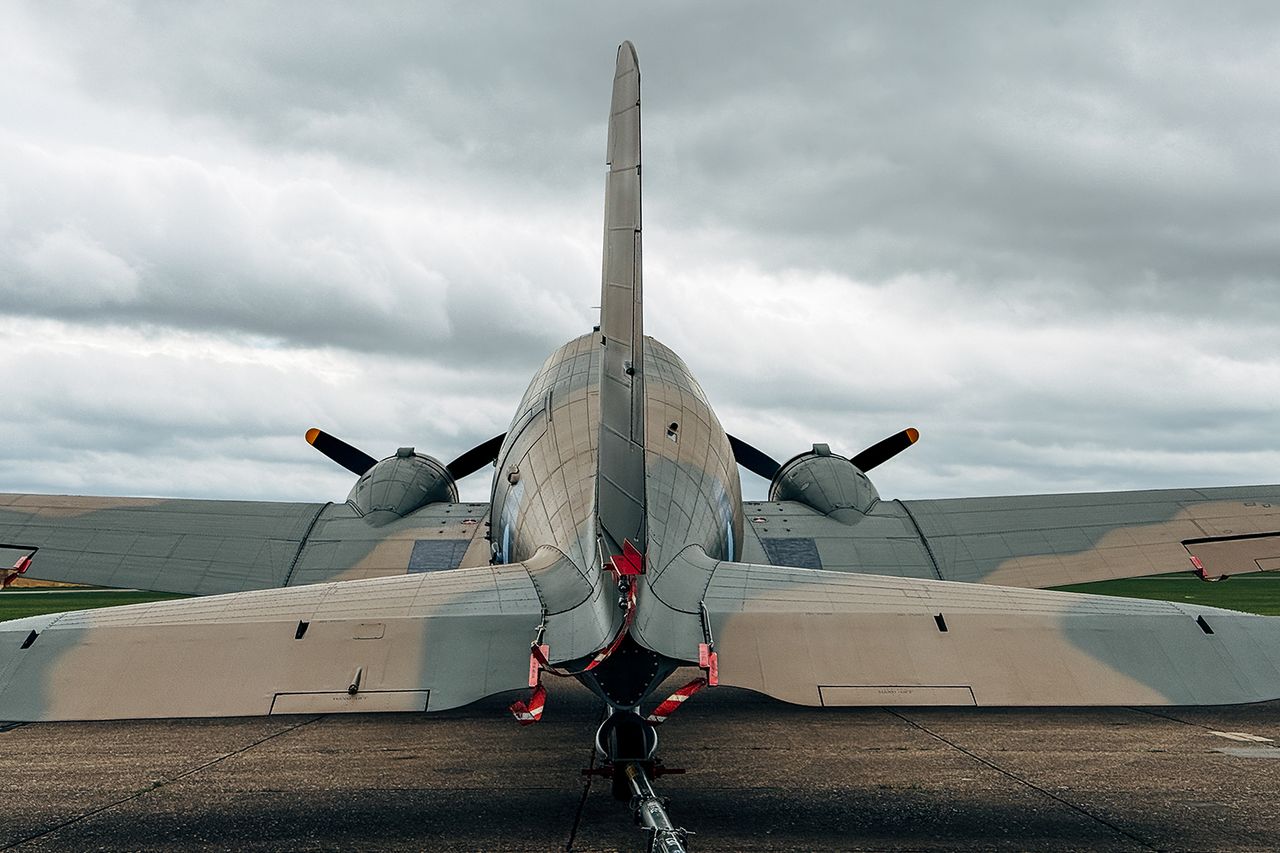
And just like that, Pratt was able to reconnect with each of the five survivors whose shared story dated back to that bone-chilling winter day in 1954, when they boarded a “scroungy-looking” C-47 transport plane for a routine 260-mile flight from Anchorage to Fairbanks.
About an hour into the flight, conditions worsened. The aircraft lurched into a dive before leveling off, creating a growing sense of unease among those on board. Then, without warning, everything changed.
“There was a loud bang and the engines stopped,” Pratt recalled in 1996. Within seconds, the plane began to break apart midair.
The six men who survived were all wearing parachutes, though none had ever used one before. “I opened my eyes, and I was about 10,000 feet up,” Fox, an Air Force veteran living in Palm Bay, Fla., told PEOPLE.
Each man descended alone into the vast Alaskan wilderness. The isolation was immediate and overwhelming. Olsen, a city-development manager living in Elkader, Iowa, later reflected on that moment: “It was the loneliest time in my whole life.”
Eventually, Pratt, Olsen and Fox managed to find each other. With little protection against the elements, they used part of a parachute to shield themselves from the cold, huddling together through the night and rotating positions to share warmth. Frostbite, cuts and bruises only added to the struggle.
Rescue, however, came the following day when two bush pilots spotted the group. They later returned with food, coffee and a doctor to treat their injuries. Once the weather cleared, the three men were flown out, ending their time in the wilderness.
Credit: Getty
For the other three survivors, the ordeal lasted longer. Roughly 15 miles away, near the crash site itself, LaDuke, Montgomery and Sallis formed a second group. Using the wreckage as shelter, they endured three days in brutal conditions, with temperatures plunging to 35 degrees below zero. As Sallis recalled, “I was afraid to fall asleep for fear of freezing.”
Eventually, all six men were rescued and taken to Anchorage for treatment. Despite the severity of what they had experienced, their recovery period was brief. Within two weeks, they had returned to duty.
Looking back, Fox noted how differently the event was handled in the ‘50s compared to how it would have been treated in the ‘90s. “Today, they bring in a whole planeload of psychologists after a thing like that,” he said. “But back then, you fall off your horse, you get back on.”
For years, the men rarely spoke about the crash, even among themselves. The lack of discussion left lingering uncertainty about what had actually caused the disaster. “We never really discussed the crash while we were out there or in the hospital,” Pratt told PEOPLE. “That was part of the problem.”
It wasn’t until their reunion in 1996, held near Wright-Patterson Air Force Base in Ohio, that some of those questions began to be answered when the group learned that the Air Force had prepared an accident report.
A 1954 letter read aloud to the group detailed how ice had built up on the aircraft, causing an engine to stall and sending the plane into a steep dive. The resulting forces ultimately tore it apart. Hearing that account helped fill in some of the missing pieces. “That letter explained a lot,” Montgomery said.
Yet, even with those answers, the emotional impact remained. Many of the men had lived for decades with a fear of flying and recurring nightmares.
Never miss a story — sign up for PEOPLE's free daily newsletter to stay up-to-date on the best of what PEOPLE has to offer, from celebrity news to compelling human interest stories.
In the years after his service, Pratt built a life rooted in family and community. He married Mildred Mereness of Schenectady, N.Y., in 1956, and they spent 57 years together before she died in 2013. According to his obituary, Pratt died on Sept. 2, 2025, following a long illness. He is survived by his two sons and three grandchildren.
A year before his death, Pratt reflected on the 70th anniversary of the crash in a 2024 Facebook post.
“Today, I think of the other five survivors with both thankfulness and sadness; thankfulness for our survival and friendship over the years, and sadness for their recent passing. And my thankfulness/sadness extends to the families of the ten men who perished on that day,” he wrote. “Our reunions of both survivors and families of victims created lasting bonds. It was a really good thing."
Read the full article here