





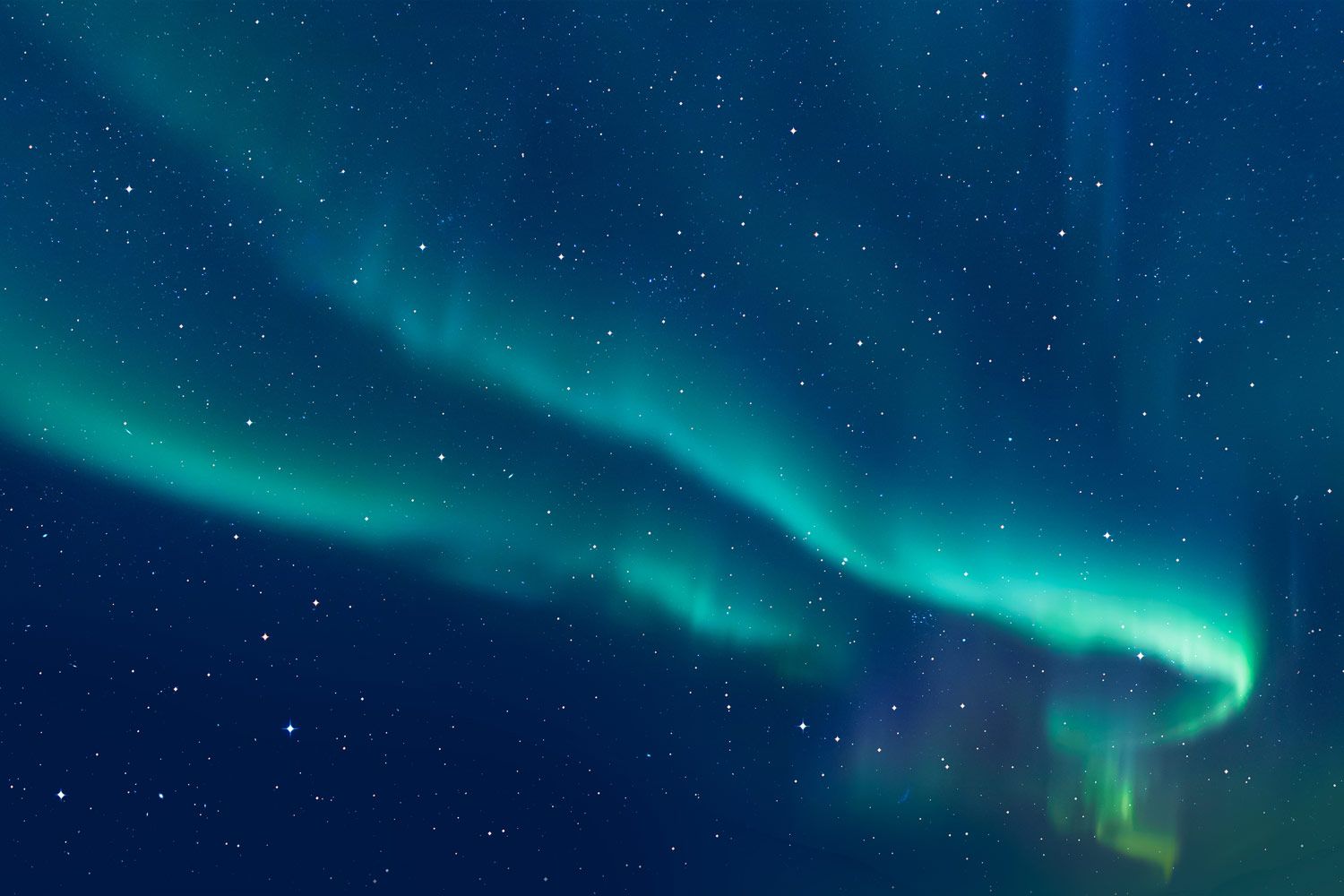
NOAA forecasters are saying quiet to active geomagnetic conditions are expected as the week continues
Credit: Getty
NEED TO KNOW
- The northern lights may still be visible tonight, May 6, as lingering solar activity creates isolated aurora displays
- Viewing conditions are best near midnight in higher-latitude regions like Canada, Alaska, Scandinavia, and parts of the northern U.S.
- Dark skies away from city lights are essential for visibility, with real-time aurora forecasts helping track activity levels
The sky isn't done putting on a show, and tonight could be your last chance to catch the northern lights dancing overhead.
While the recent geomagnetic storm is beginning to weaken, lingering solar activity could still trigger isolated aurora displays across higher-latitude regions on the night of Wednesday, May 6.
For reference, the aurora borealis (northern lights) result from geomagnetic storms, which occur when charged particles from the sun collide with gases in the Earth's atmosphere, creating brilliant waves of light in the sky. Still, their visibility depends on several factors, including intensity and location.
What's your sign? Subscribe to our free newsletter to get your unique weekly horoscope delivered straight to your inbox.
According to forecasters at the NOAA Space Weather Prediction Center, geomagnetic conditions are expected to hover between quiet and active levels as the effects of earlier coronal mass ejections slowly fade, with isolated G1-class storming still possible.
So if you've been waiting for an excuse to stay up late and stare at the cosmos, this is your chance before solar conditions begin to settle.
Here's everything you need to know about when, whereand how to watch this cosmic event.
When will the northern lights be visible?
Credit: Ross Harried/NurPhoto via Getty
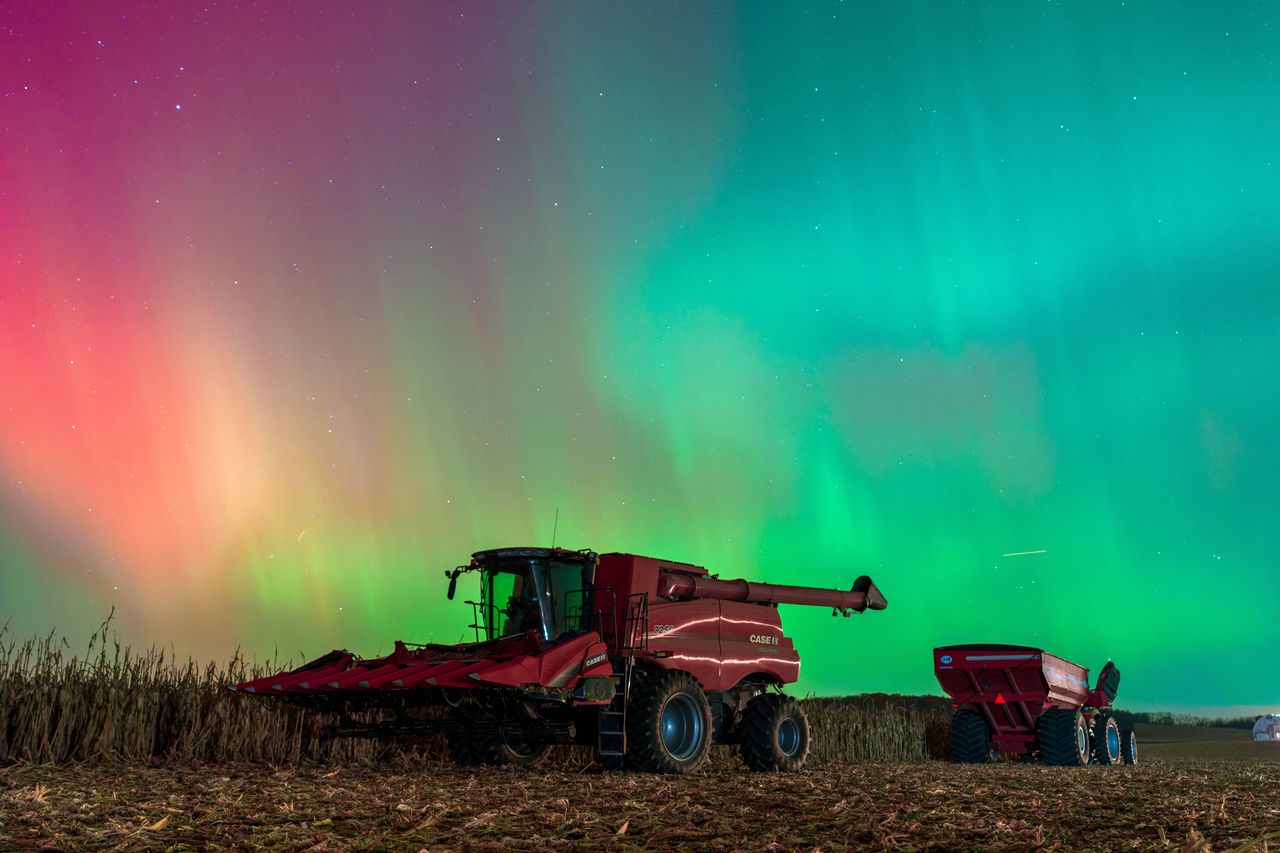
The best chance to spot the aurora borealis? Late this evening, May 6, into the early morning hours of Thursday, May 7, especially closer to midnight (local time) when the sky is darkest.
Forecasters say geomagnetic activity is gradually weakening, but lingering disturbances in Earth's magnetic field could still spark visible displays overnight, particularly in northern regions.
NOAA also noted that mostly quiet to unsettled geomagnetic conditions are expected on May 6, though isolated active periods remain possible as residual CME effects continue to fade.
Where will the northern lights be visible?
Credit: Li Hongjun/VCG via Getty I
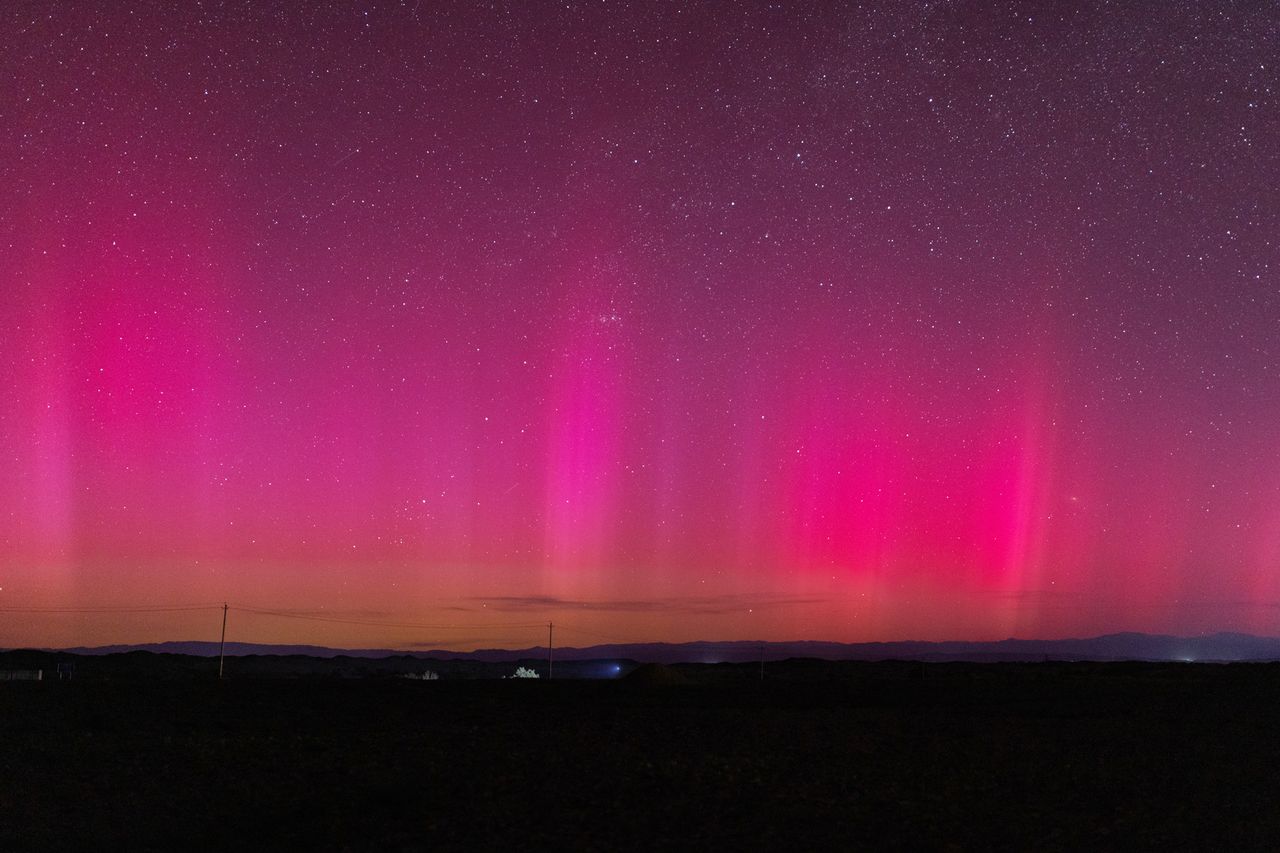
Aurora viewing conditions are expected to be most favorable across higher-latitude locations including parts of Canada, Alaska, the northern United States, Iceland, and parts of Scandinavia.
However, viewers farther south could still catch a faint glimpse near the horizon if geomagnetic activity unexpectedly intensifies, but dark skies away from city lights will be essential for the best viewing experience.
How to watch the northern lights?
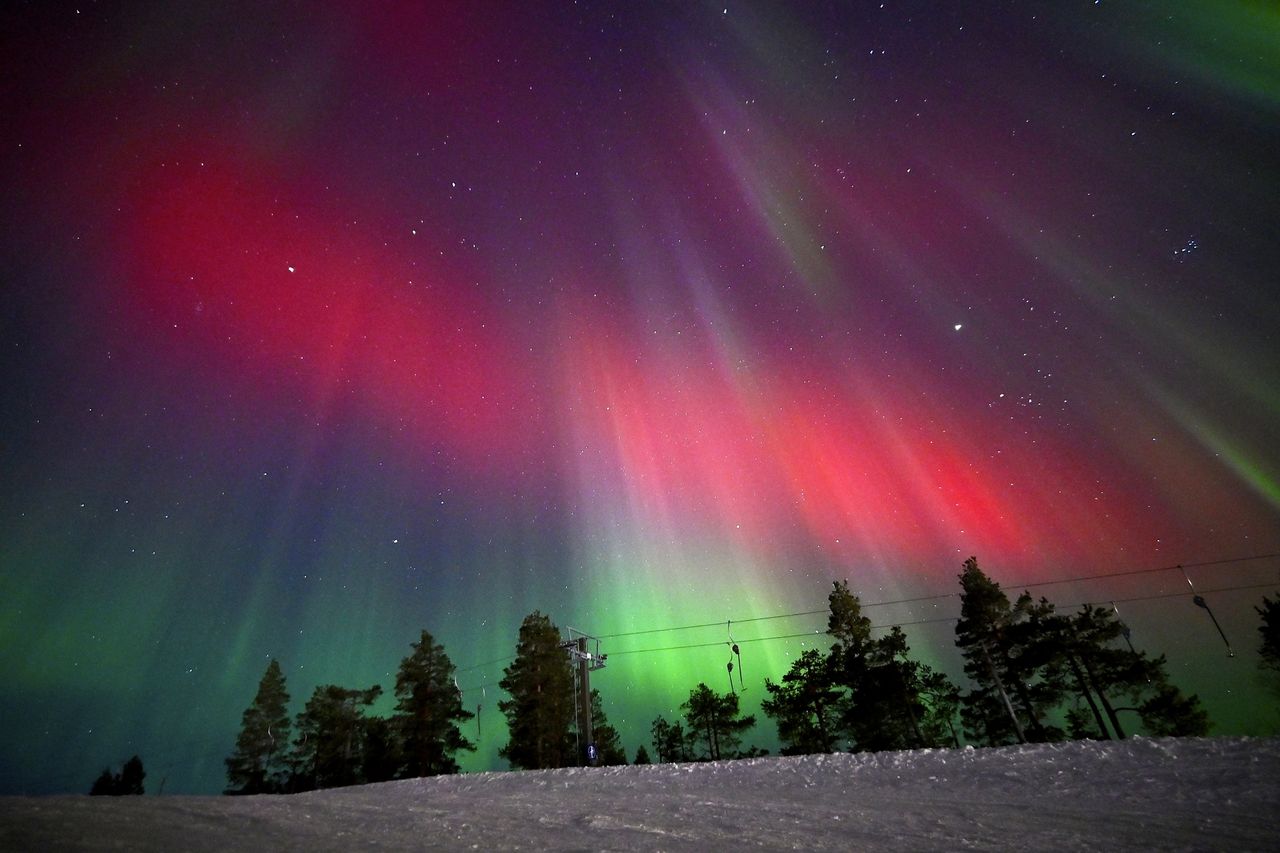
Credit: Alex Nicodim/Anadolu via Getty
Find a dark location away from city lights, ideally with a clear view of the northern sky.
The darker your surroundings, the more vivid the aurora colors will appear. Remember to also keep tabs on real-time conditions using NOAA's 30-minute aurora forecast and space-weather apps that track solar wind and magnetic field changes.
How to photograph the northern lights?
The best part about aurora-watching? You don't need professional gear to capture the magic… but if you do have a camera handy, that helps, too!
If you're hoping to photograph the northern lights, you'll want to keep your setup as steady as possible, since the auroras are best captured with long exposures. But if you have a smartphone handy, that works just fine.
All you have to do is head to your device's settings and tap the "Night Mode" option or “Pro Mode,” which offers similar exposure times.
Read the full article here