





Elizabeth Allen Rosenbaum explains why she insisted on including the DIY T-shirt dress and vintage shopping scenes in the 2006 film
Credit: Disney+
NEED TO KNOW
-
Aquamarine features a vintage store in a positive light, which was considered unconventional at the time
-
The director of the cult classic says she insisted on putting a thrift store in the movie’s mall scene
-
“I didn’t know how gutsy I was being at the time,” Elizabeth Allen Rosenbaum tells PEOPLE
The mall montage was the backbone of early 2000s cinema. The thrift store trip? Not so much. Aquamarine has both, and director Elizabeth Allen Rosenbaum tells PEOPLE that it was a very intentional choice — not to mention a “gutsy” one at the time.
The coming-of-age mermaid movie turned beloved cult classic features a memorable scene in which its main trio — played by Emma Roberts, Joanna “JoJo” Levesque and Sara Paxton — head to a mall to buy new outfits ahead of an end-of-summer party called The Last Splash, which serves as the film’s climax.
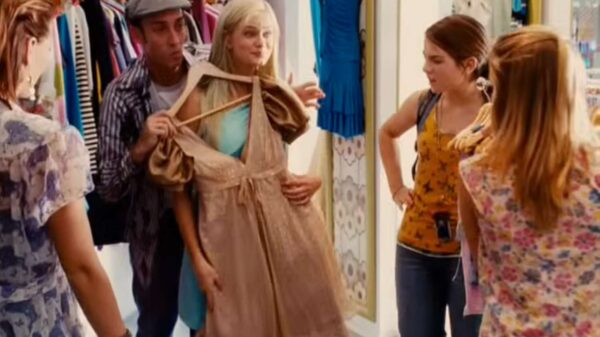
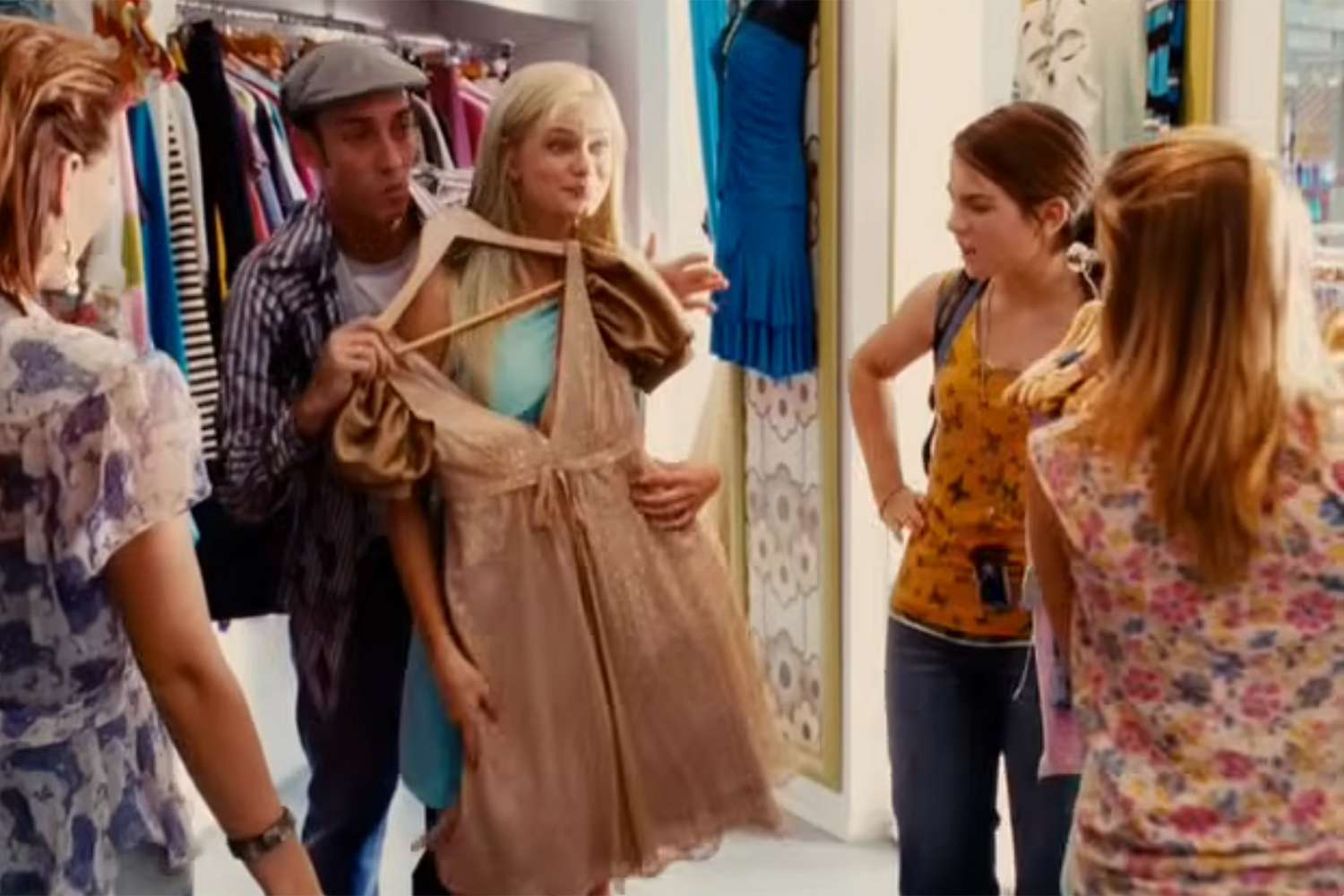
Armed with $400, Claire (Roberts), Hailey (Levesque) and their new mermaid friend Aquamarine (Paxton) ditch their sleepy seaside town for a big-city mall trip soundtracked by an ultra-poppy track. It’s the quintessential mall montage right up until the titular siren, who is experiencing life on land for the first time, leads her new pals — begrudgingly — into a vintage boutique.
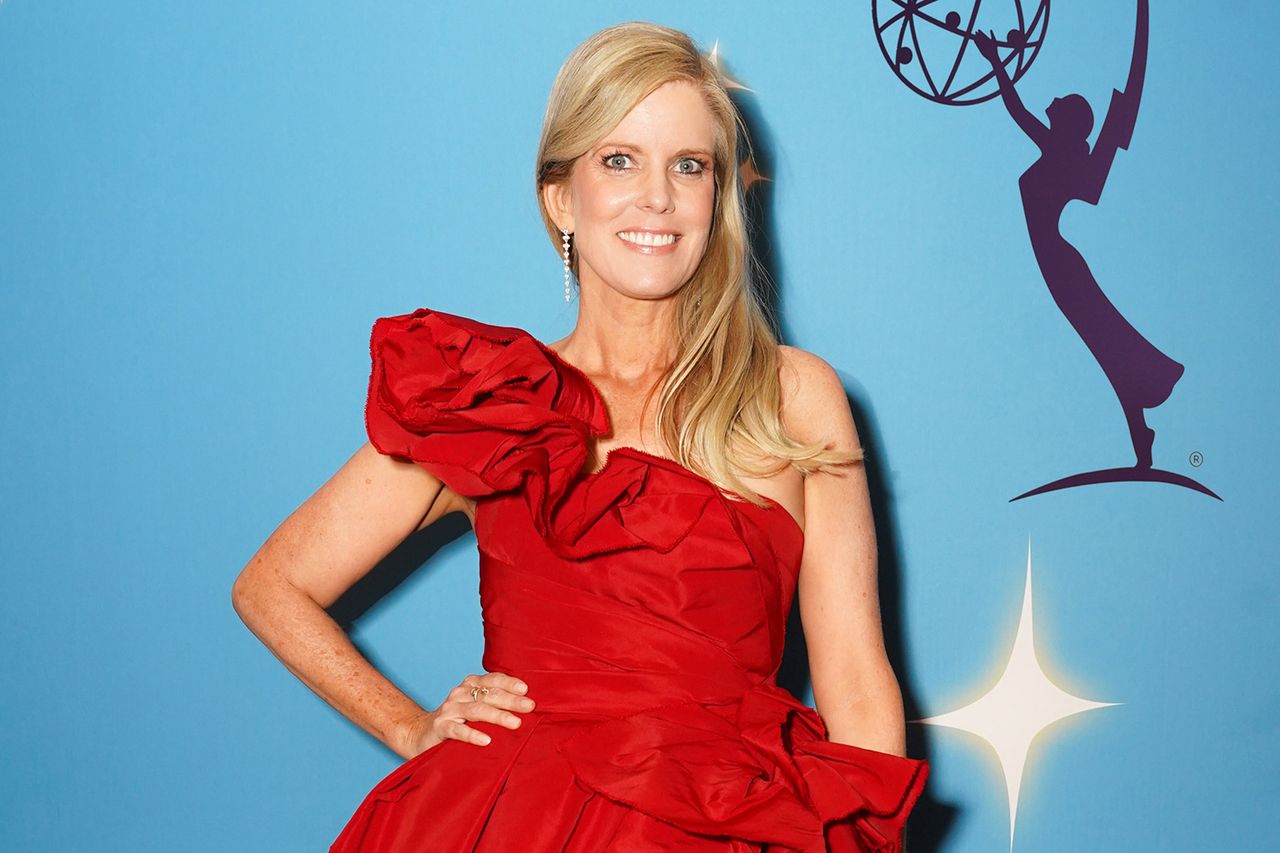
Credit: Gonzalo Marroquin/Getty
The reluctant teens declare that the secondhand store is “hideous” and “for old people” as Aquamarine drags them away from the period-accurate threads found in the mall — but quickly change their tune after finding unique, cute dresses for the evening’s event.
Shopping secondhand has become far more socially acceptable — mainstream, even — in recent years, but in 2006, when Aquamarine arrived in theaters, it was a peculiar choice. So why did Rosenbaum include an explicitly pro-thrifting scene in a movie targeted at preteen girls?
“I didn’t know how gutsy I was being at the time,” the director recalls to PEOPLE, “but I kept being offered all this product placement, and I was really being pushed to a lot of labels and stuff like that.”
At the time, Rosenbaum says she “couldn’t have been more fierce” in her insistence that the movie, which marked her feature directorial debut, “is not about consumerism.” Adds the director: “It was also just a philosophy of ‘I don’t want to subscribe to trends’ and ‘we want to be careful with our money’ and ‘why give it to brands?’ ”
The powers that be, she recalls, “wanted me to have a mall sequence and I’m like, ‘It’s going to be a thrift store.’ We had a mall — but I put a fake thrift store in the mall.”
Never miss a story — sign up for PEOPLE’s free daily newsletter to stay up-to-date on the best of what PEOPLE has to offer, from celebrity news to compelling human interest stories.
“People have to learn how to thrift and find things and make them their own. And that’s where the shirt comes in,” Rosenbaum continues, referring to another — and arguably even more iconic — Aquamarine scene in which Paxton ties a long-sleeve T-shirt into the perfect halter-neck dress.
“I grew up having to shop at thrift shops,” the director explains, “and so I just thought it was important because I was watching movies where it was all about the fancy trends and the expensive outfits, and I just wanted to, if I was going to make a movie, I wanted to at least put it out there: You can do it your own way.”
Of thrifting, she adds, “And now it’s funny because it is sort of a thing, isn’t it?”
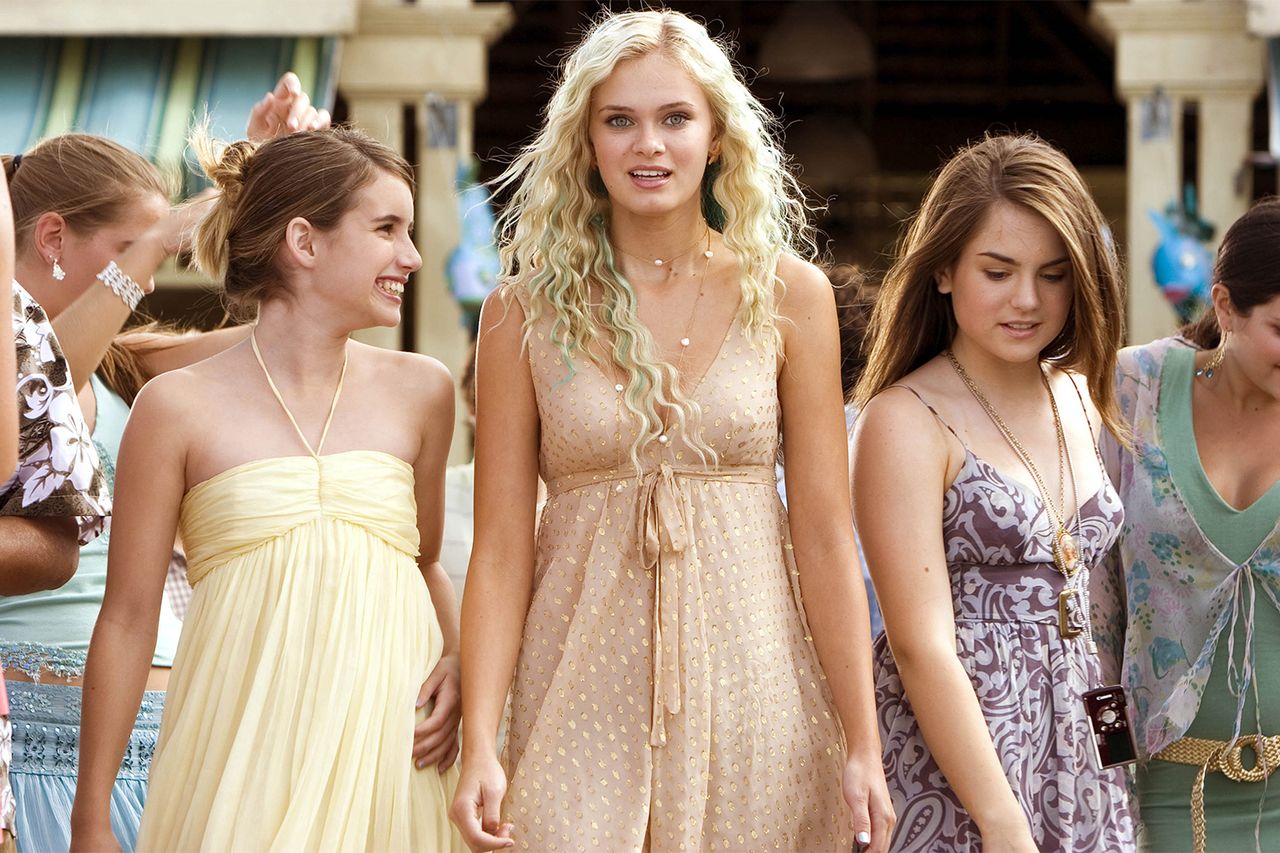
Credit: Moviestore/Shutterstock
Like the popularity of vintage and secondhand shopping, affection for Aquamarine also grew over time. It was not a box office hit but became a style time capsule and crucial part of the Gen Z canon for the special light it shines on girlhood and friendship.
“It’s sweet,” Rosenbaum tells PEOPLE, “because when [Aquamarine] finished, it didn’t get great reviews, and a lot of the reviews were like, ‘It’s so pink.’ To think back then that was really kind of a mean insult… which is weird that people would even write that about a film that’s just going to inspire kids.”
“It did okay in the theaters, but not great, and it didn’t get good reviews, and for years, I couldn’t work. And no one that I was meeting with in studios had seen the movie because it wasn’t their demographic. And so I just felt ashamed by it. And so it wasn’t until a few years ago, I was going to direct Ginny & Georgia in Toronto, and I walk in — and it’s always weird when you’re a guest director because I hadn’t done the show before — and everyone starts screaming and all the young assistants were hugging me and so excited and fangirling.”
The filmmaker, who also directed Ramona and Beezus and Purple Hearts, says she remembers thinking, “‘Am I being punked? What’s happening?’ And they’re like, ‘No, Aquamarine is so cool.’ And I’m like, ‘What?’ ”
“It had taken me years to get more jobs and to get a career going because it was sort of slammed,” she continues. “And so I never knew it had made such an impact on people. And it’s only been in the past few years that I’ve realized that. And so it’s such a nice thing and such a relief because for almost two decades, I had no idea that it meant anything to anybody.”
“I had no idea for so long,” she says of the movie. “It felt like a mark on me as opposed to something that people liked.”
Read the full article here