





As August’s full moon slips almost completely into Earth’s shadow, solar activity could send the northern lights shimmering across parts of the northern United States
Credit: Lance King/Getty
NEED TO KNOW
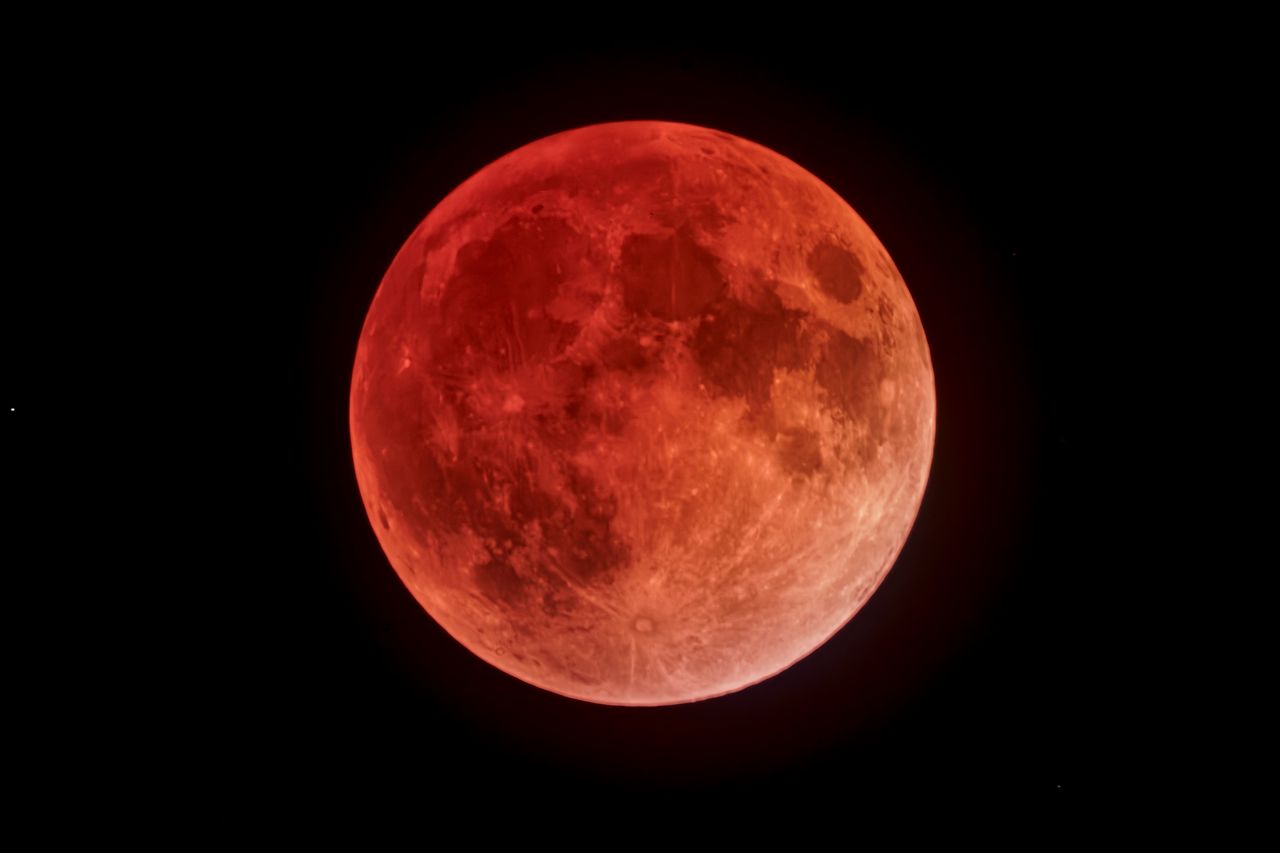
- August’s full moon will turn coppery red during a partial lunar eclipse peaking early Friday, Aug. 28
- Geomagnetic storm watches could bring northern lights visibility to parts of the U.S. from Aug. 27 to Aug. 29
- Clear skies and dark locations improve chances of seeing auroras, which may extend as far south as Pennsylvania and New York
It’s safe to say that the cosmos is taking the magic to another level this week!
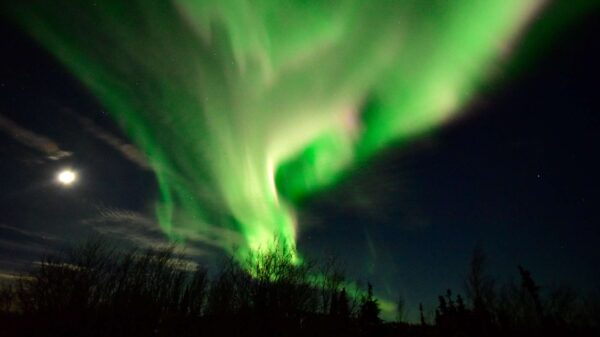
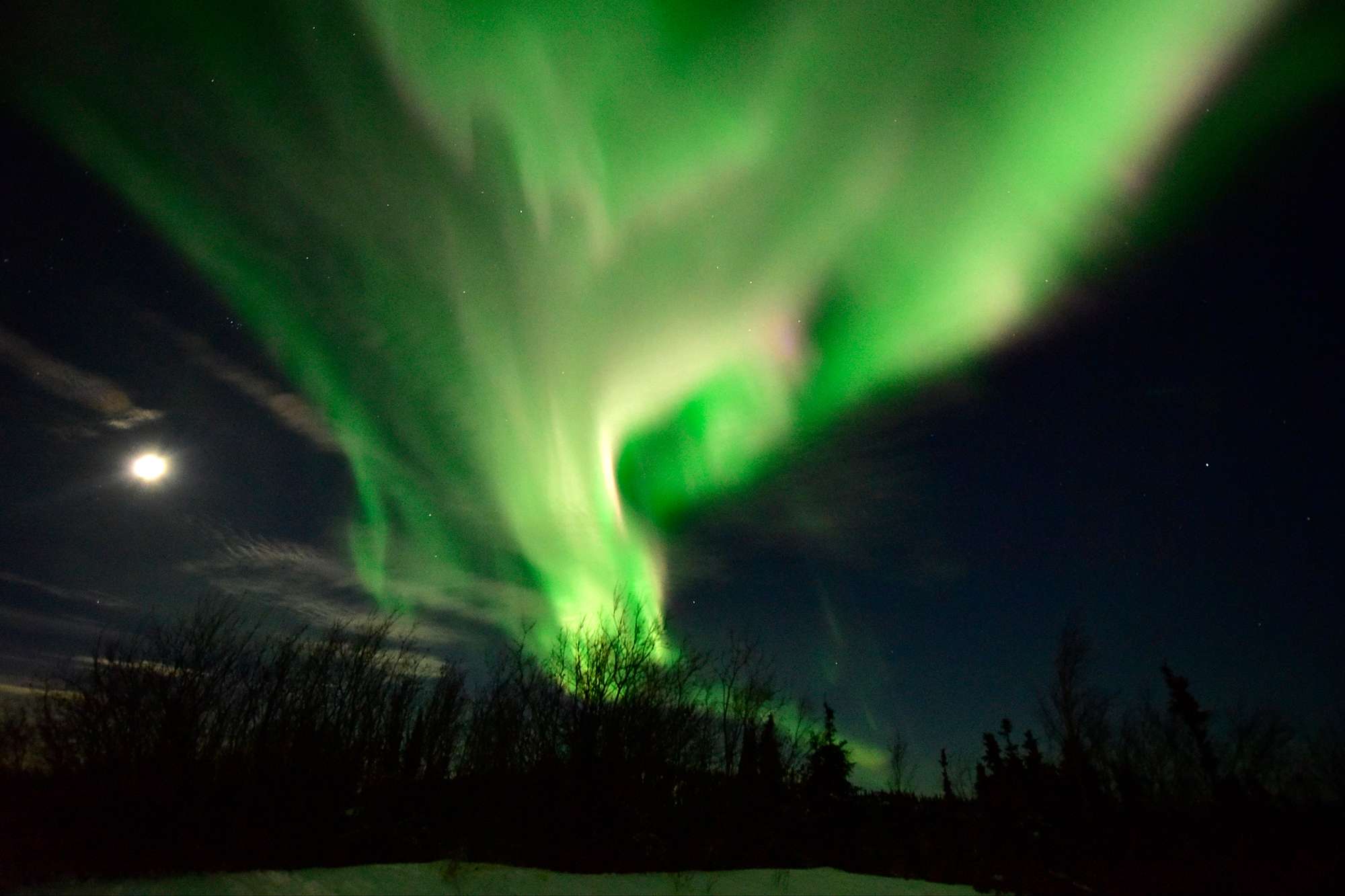
As August’s full moon slips almost completely into Earth’s shadow — turning coppery red during this week’s partial lunar eclipse — solar activity could send the northern lights shimmering across parts of the northern United States.
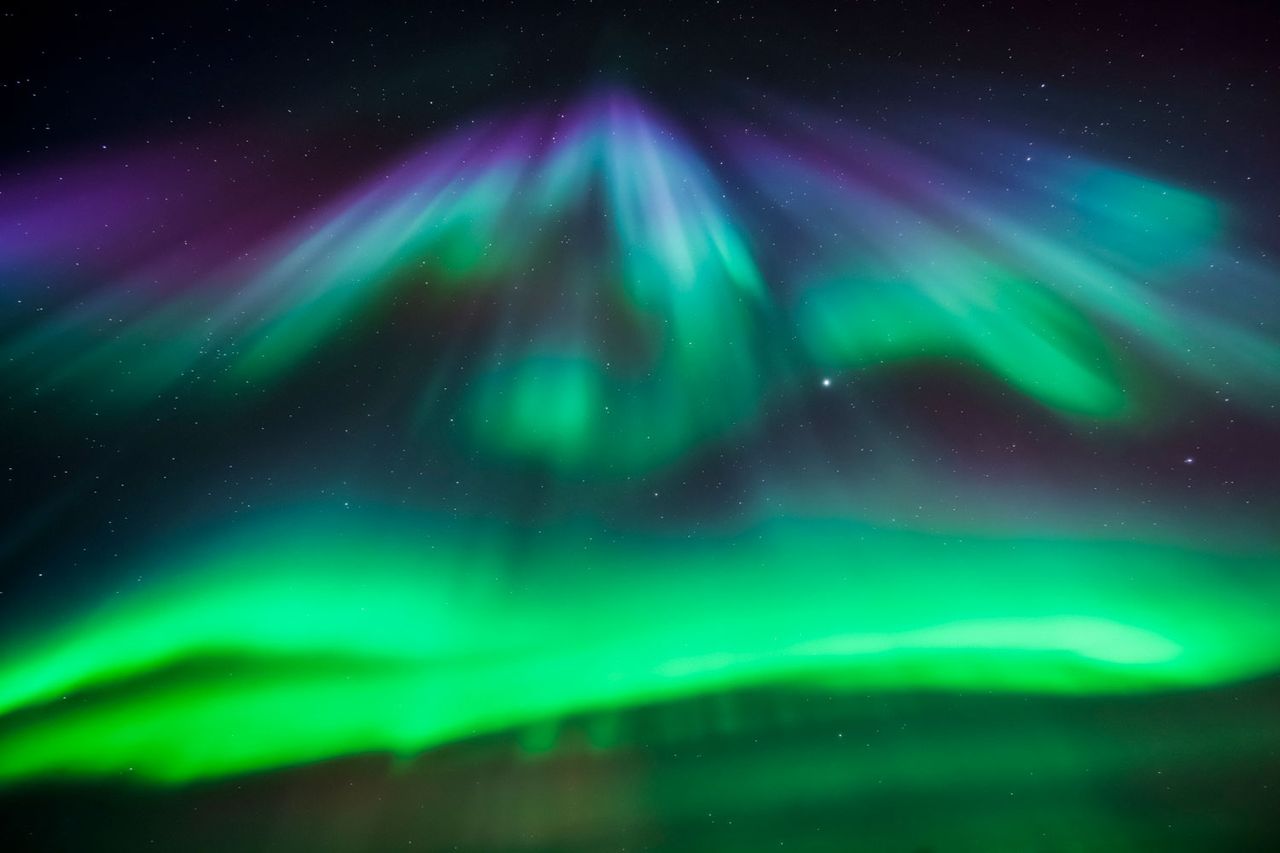
For reference, the aurora borealis (northern lights) are a result of geomagnetic storms, which occur when charged particles from the sun collide with gases in the Earth’s atmosphere, creating brilliant waves of light in the sky. Still, their visibility depends on several factors, including intensity and location.
According to NASA, the eclipse will peak at 12:13 a.m. ET on Friday, Aug. 28, when only a sliver of the moon remains outside the umbra, but it doesn’t end there.
NOAA has issued geomagnetic storm watches for Thursday, Aug. 27 through Saturday, Aug. 29, while the Met Office says fast solar wind and at least one possible coronal mass ejection (CME) could produce isolated G1 or G2 storm conditions.
On that note, if timing and weather conditions allow, skywatchers could catch a blood moon and a glowing round of auroras.
In the meantime, here’s everything you need to know about this stellar event.
When will the northern lights be visible?
Credit: Semen Vasileyev/Anadolu Agency via Getty
Are you ready for this double feature?
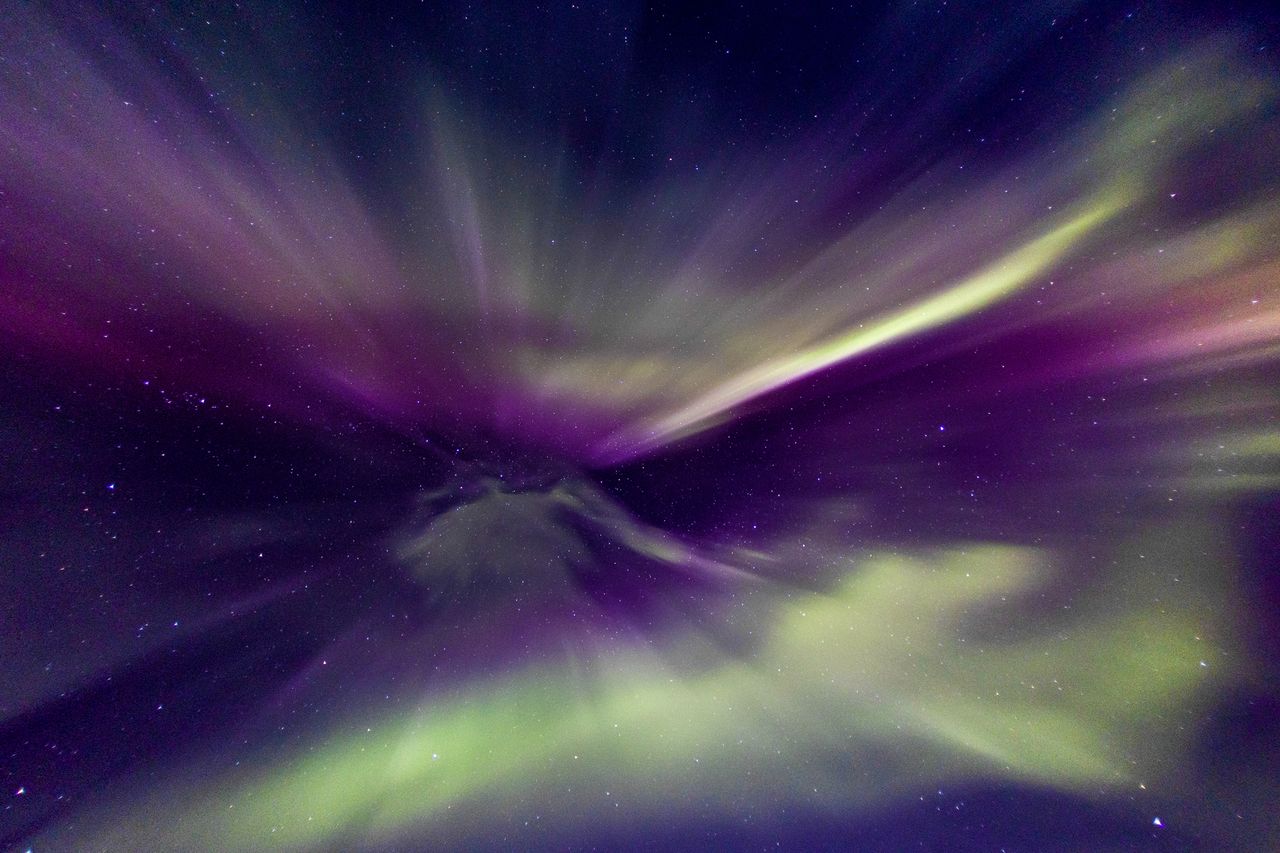
If you’re hoping to catch the northern lights, the best opportunity is expected later on Thursday, Aug. 27, and into Friday, Aug. 28, as faster solar wind reaches Earth and potential blows from at least one coronal mass ejection (CME) elevate geomagnetic activity.
The Met Office predicts isolated G1 storm periods, while a chance of brief G2 conditions on Friday, Aug. 28 and Saturday, Aug. 29.
However, it’s important to remember that auroras are notoriously fickle by nature, so be sure to check NOAA’s real-time aurora forecast after dark.
Where will the northern lights be visible?
Credit: Alan Dyer/VWPics/Universal Images Group via Getty
Under G1 conditions, the best chances belong to Alaska and northern portions of Washington, Idaho, Montana, North Dakota, Minnesota, Wisconsin, Michigan, Maine, Vermont and New Hampshire.
However, if activity reaches G2 levels, faint auroras could extend farther south into Oregon, Wyoming, Nebraska, Iowa, Illinois, Indiana, Ohio, Pennsylvania and New York.
Granted, not all 20 states are guaranteed a northern lights show, but clear skies and an open view of the northern horizon certainly help your chances.
How to watch the northern lights?
Credit: Getty
Find a dark location away from city lights, ideally with a clear view of the northern sky.
The darker your surroundings, the more vivid the aurora colors will appear. Remember to also keep tabs on real-time conditions using NOAA’s 30-minute aurora forecast and space-weather apps that track solar wind and magnetic field changes.
How to photograph the northern lights?
When it comes to photographing the aurora, your smartphone might actually notice the aurora before you do!
Modern smartphone cameras are sensitive enough that even the faintest auroral glow can appear green, pink or purple in a photograph, even when it looks more like a pale gray haze to the naked eye.
All you have to do is head to your device’s settings and tap the “Night Mode” option or “Pro Mode” with similar exposure times.
Read the full article here