

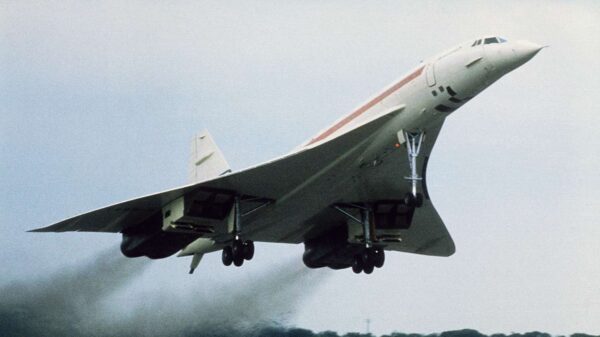



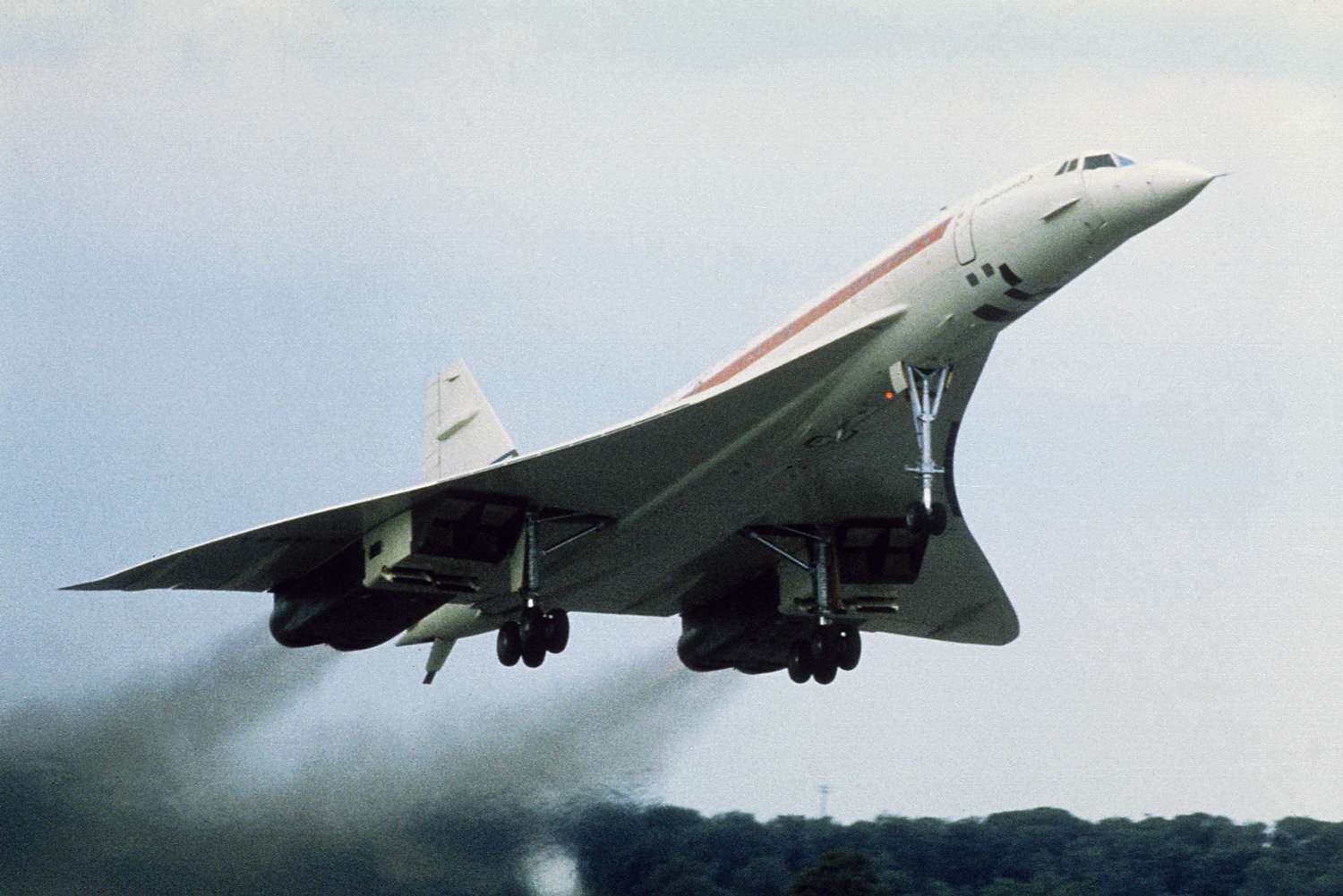
A number of factors led to the Concorde ceasing all operations in 2003, including a fatal crash that killed 113 people in 2000
Credit: Hulton-Deutsch Collection/CORBIS/Corbis via Getty
NEED TO KNOW
- The Concorde was the first supersonic passenger plane, cutting transatlantic flight times to just three hours from London to New York City
- High ticket prices and loud noise levels limited its accessibility and led to restrictions on its flight routes
- The Concorde ceased operations in 2003 after a fatal crash and rising operational costs made business unsustainable
Once a groundbreaking airliner, the Concorde is now only a memory after it ceased all commercial operations more than two decades ago.
The Concorde was the first supersonic passenger plane, meaning it traveled faster than the speed of sound. It could reach a maximum cruising speed of 1,354 miles per hour, bringing flight times on routes like London to New York down to just three hours.
Before it welcomed its first commercial passengers, the aircraft hit a number of milestones in the 1960s and ‘70s, starting with its first flight in 1969 and its first transatlantic crossing in 1973. It finally entered service in 1976 and became the “world’s first scheduled supersonic passenger service,” per Britannica.
The engineering marvel was created by aircraft manufacturers in France and Great Britain. British Airways initially flew the aircraft from London to Bahrain, while Air France flew it from Paris to Rio de Janeiro. In 1976, regular service to Washington, D.C., was added by both airlines, followed by New York City in 1977.
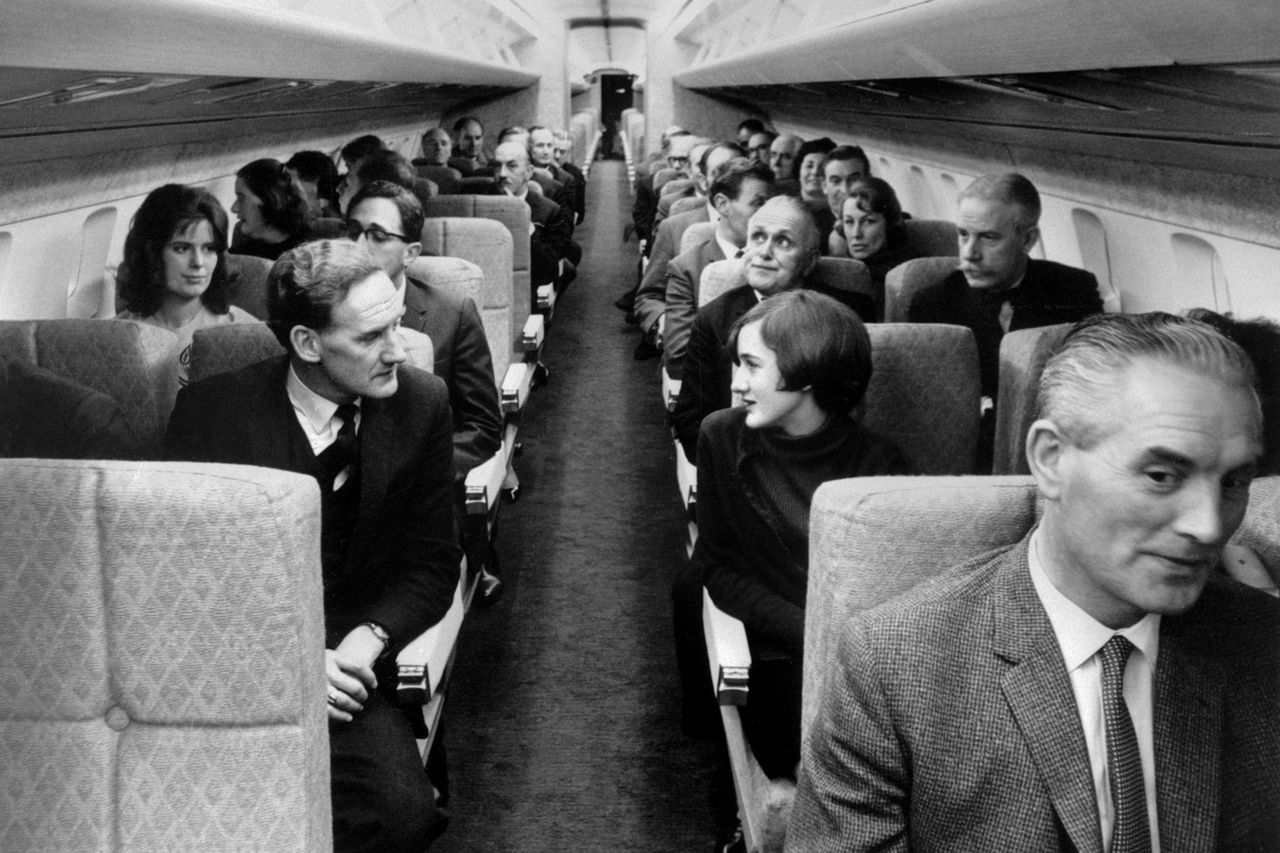
Credit: AFP via Getty
Due to the high production and operation costs of such an aircraft, ticket prices were extremely expensive and few travelers could actually afford to fly on the Concorde. According to Britannica, a round-trip flight from New York City to London cost about $7,574. As a result, many flights flew at half capacity.
More than 30 years after the Concorde embarked on its first flight, Air France and British Airways ceased all use of the model in 2003 after disaster struck.
On July 25, 2000, Air France Flight 4590 was departing from Paris Charles de Gaulle Airport in France for New York’s John F. Kennedy Airport. The full aircraft was carrying 100 passengers and nine crew members, according to the Federal Aviation Administration (FAA).
It began taxiing without issue and proceeded for takeoff when the main landing gear tire struck a piece of sheet metal left behind from a different aircraft that had taken off five minutes earlier.
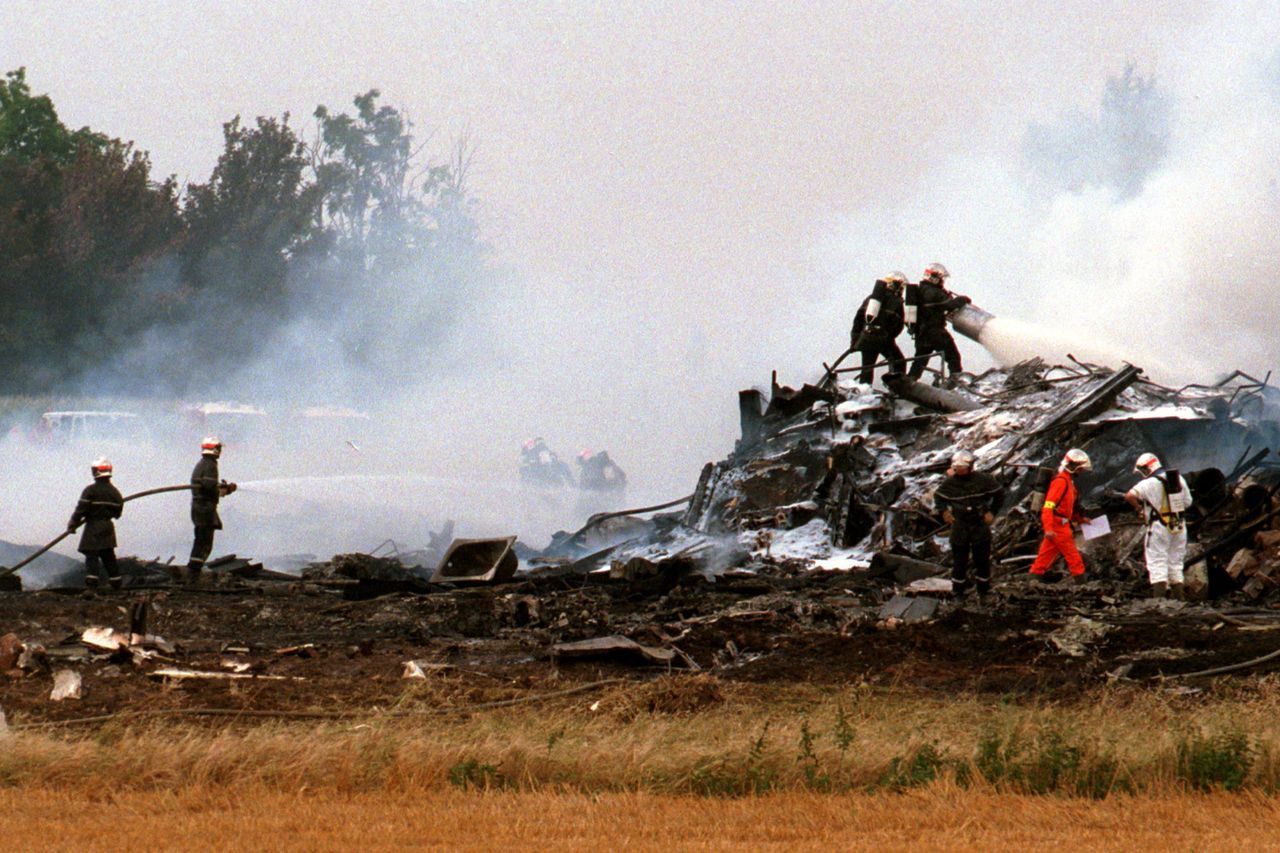
Debris from the burst tire then hit a fuel tank, causing it to rupture and catch fire. The engine then began to fail, leading the plane to crash into a hotel. The impact killed all 109 people on board as well as four individuals on the ground.
Credit: Ami Vitale/Liaison
Never miss a story — sign up for PEOPLE’s free daily newsletter to stay up-to-date on the best of what PEOPLE has to offer, from celebrity news to compelling human interest stories.
In addition to the horrific crash, the Concorde was retired due to a number of other factors, including its high operating costs and ticket prices, as well as the extremely loud noise it emitted.
According to Conde Nast Traveller, one Concorde takeoff measured 119.4 decibels, which is extremely close to a thunder clap at 120 decibels. Thus, more cities began to cut Concorde flights, with the aircraft eventually only being able to operate over ocean routes before it was discontinued altogether.
Today, there’s a movement to revive supersonic travel. In 2025, the White House instructed the FAA to lift the ban on supersonic flights over land, though that has not yet gone into effect. One company, Boom Supersonic, and it’s Mach 1.7 Overture jet, may be the first to return to market, with major U.S. airlines expressing interest in potentially flying the plane in the future. Boom has stated they hope to be flying commercial passengers by 2029 or 2030.
Read the full article here