
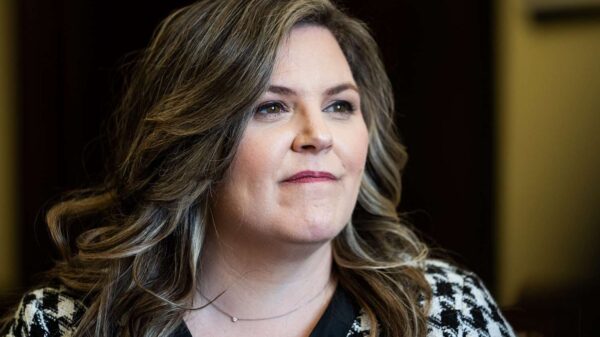


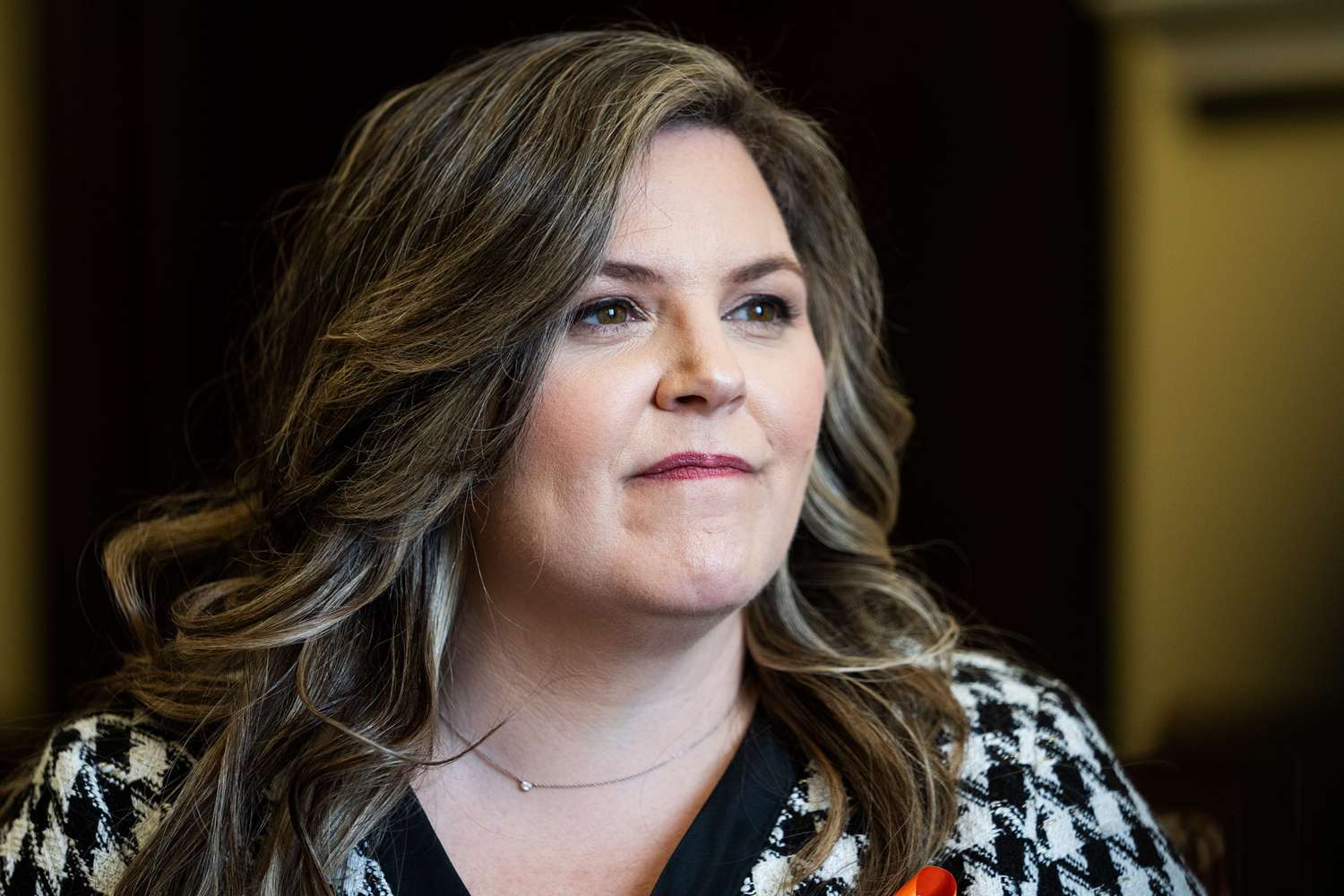
The 44-year-old was born on Dec. 28, 1981
Credit: Josh Morgan-USA TODAY via Imagn
NEED TO KNOW
- Elizabeth Carr, born in 1981, was the first baby conceived through in vitro fertilization in the United States
- Carr’s parents pursued IVF after her mother experienced multiple ectopic pregnancies
- Carr talks about the questions she gets asked the most, and how IVF helps so many people and families
Elizabeth Carr was the first baby born through in vitro fertilization in the United States in 1981.
Recently, the now 44-year-old spoke to Britannica about her early life, some of the most common questions she gets asked and why she feels like an "older sister" to the more than 12 million babies that have been born as a result of IVF and other assisted reproductive technologies in the decades since.
“I was born back in Dec. 28, 1981, and it was absolutely a media circus," she shared in the March 8, 2026, interview. "The process of in vitro fertilization had never been done in the United States before, and I had to be born in Virginia. IVF was actually illegal in my home state of Massachusetts."
When her parents were trying to get pregnant, they "figured out pretty quickly that my mother could get pregnant but not stay pregnant," Carr shared, noting that her mom experienced three “ectopic pregnancies, which are essentially tubal pregnancies.”
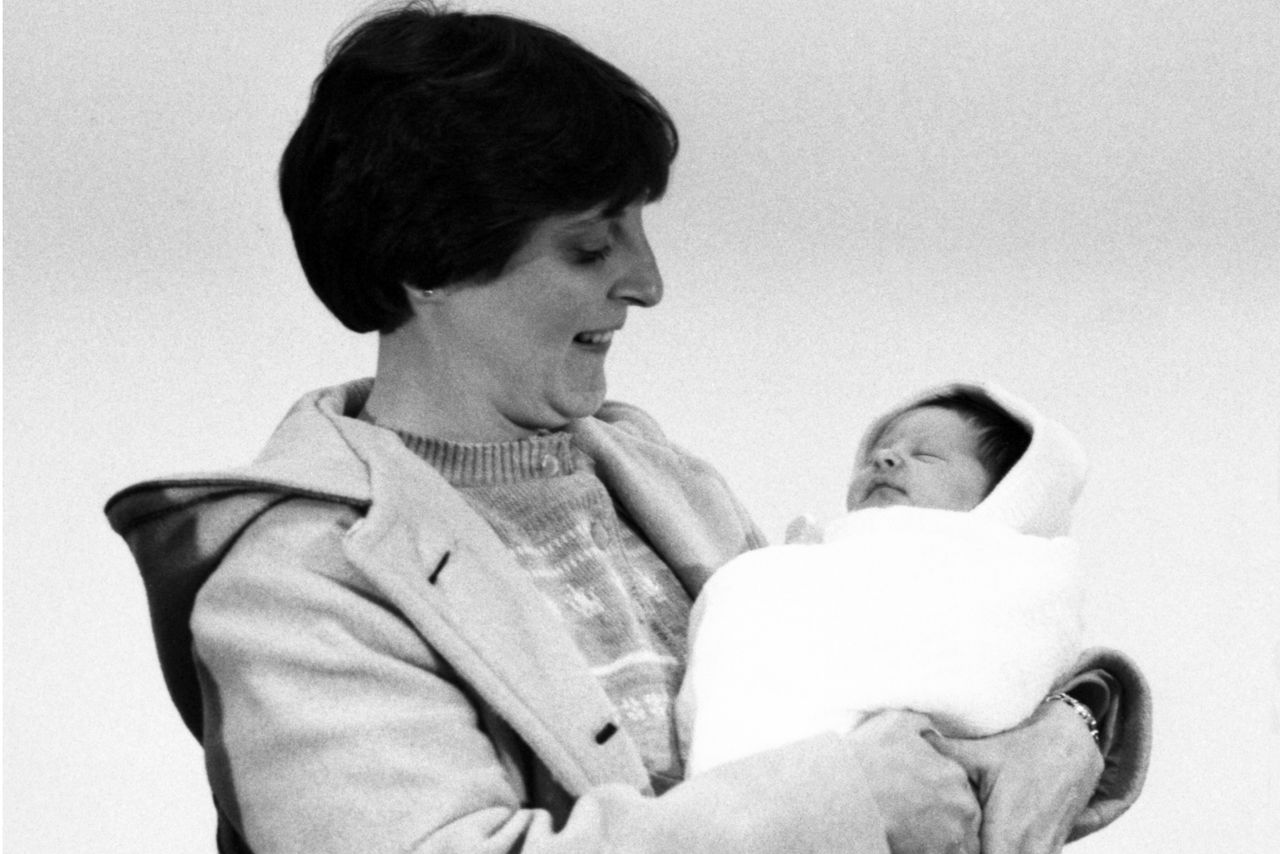
Credit: Bettmann Archive/Getty
“Her tubes ruptured to the point that she had severe internal bleeding," she explained. "On a recovery from a surgery, her OBGYN said, ‘Well, you know, I don't know where you are in, you know, thinking about having your family, but I just came back from a conference where I learned about this thing called IVF, and there’s a team, a husband and wife, that are trying to put together a clinic in Norfolk, Virginia, and they’re looking for patients. And I think you should apply.’ "
The doctor handed her parents "a one-page, black-and-white xeroxed piece of paper," and they thought, "‘What do we have to lose?’ "
Two weeks after they applied, fertility doctors Howard and Georgeanna Jones called them back — and the rest is history.
According to the Mayo Clinic, IVF, or in vitro fertilization, is “the most effective type of fertility treatment that involves the handling of eggs or embryos and sperm.” During the procedure, the sperm and egg are combined outside of the body and the resulting embryo is then implanted in the uterus.
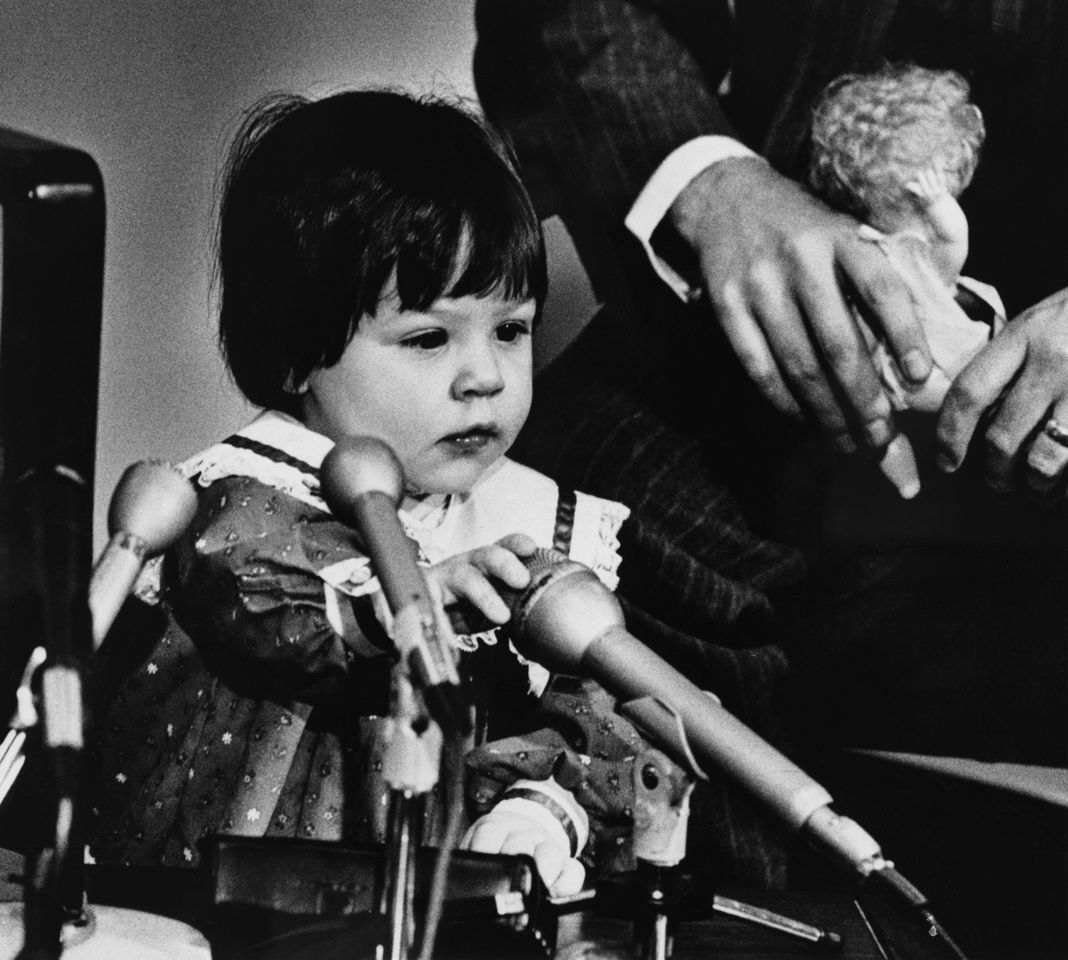
Credit: Bettmann Archive/Getty
Carr noted that she was just 3 days old during her first press conference, as it "was a big moment in history."
While she said the doctors gave her parents "the option to stay private," they "felt very strongly" that people should know they were "just a normal couple looking to build our family like everybody else" and that their "child is normal and walks and talks and sounds just like every other child."
“They put themselves out there because they wanted people to know that this was a viable option," Carr told Britannica.
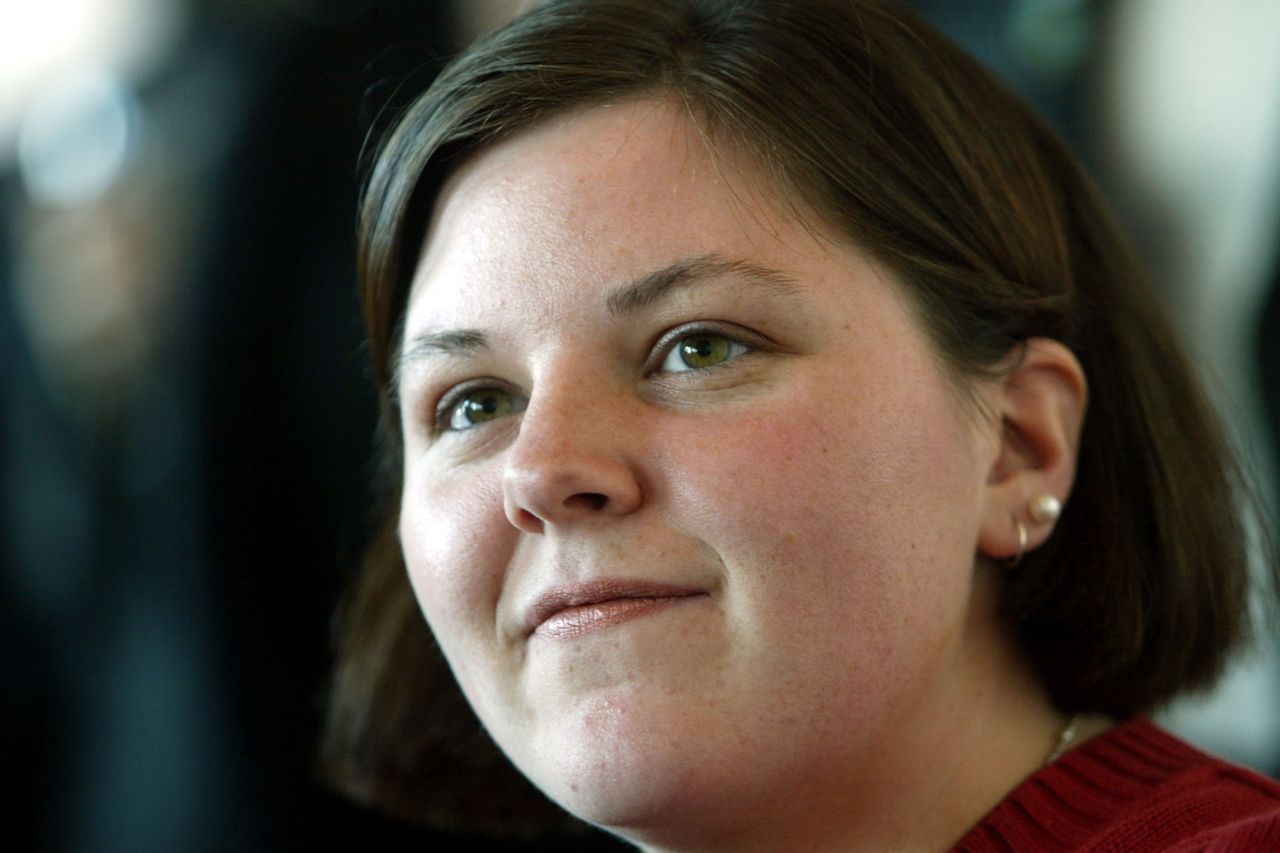
Credit: Mario Tama/Getty
While IVF has become more common over the years, Carr said people still ask odd questions about her conception.
"I joke that a frequent question I get is, 'Do [you] have a belly button?'" she shared. “People actually do ask me that because they think that I was grown in a tube or a lab. Test tubes were not used. A petri dish was used. Conception happened in the petri dish and then I was put back in my mother’s womb, and nine months later, here I was like everybody else."
Another thing she wants people to know about IVF is that it's “not just for the infertility community now.”
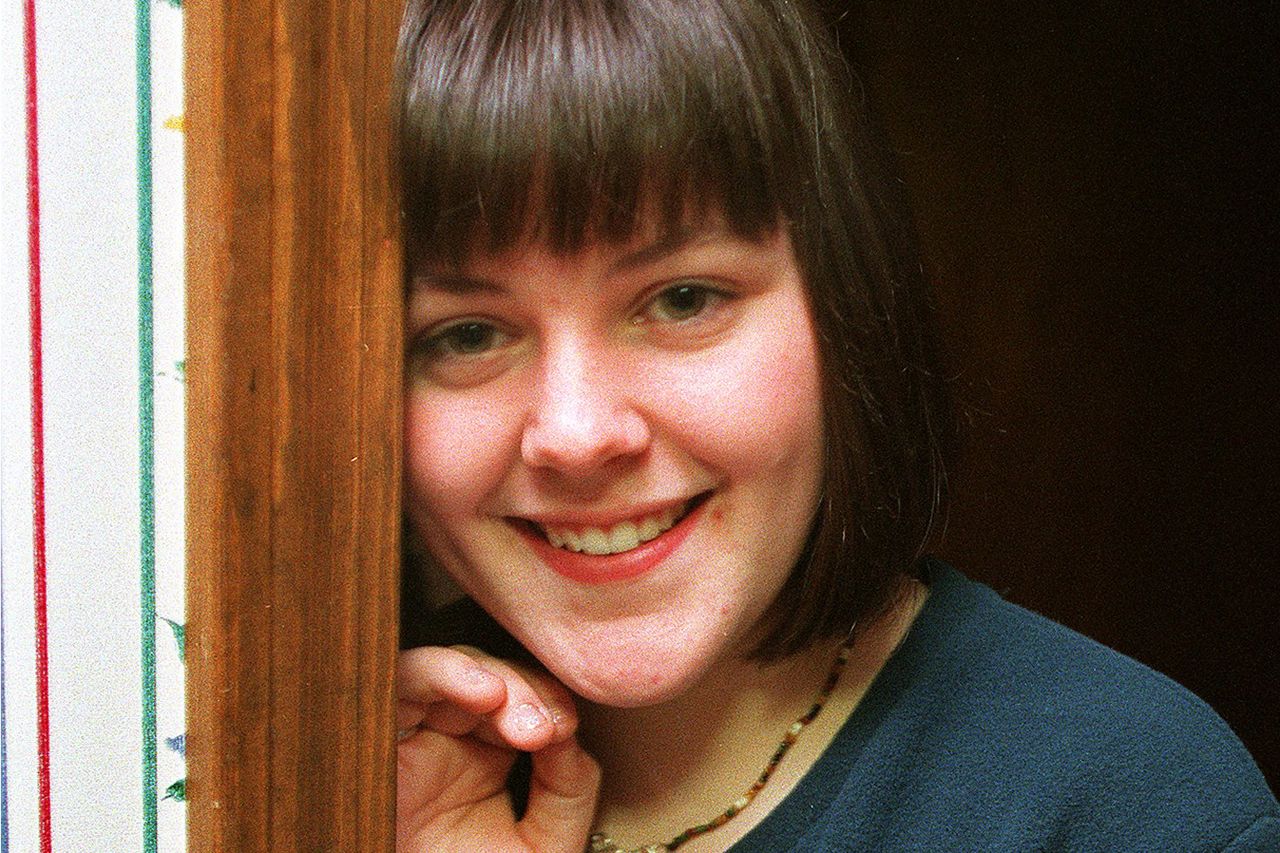
Credit: Tom Herde/The Boston Globe via Getty
“It’s people who are going on military deployment who need to time their family building. It’s people who are going through cancer treatment who need to preserve their fertility. It’s people who are LGBTQ who may need an assist from technology in order to build their family," Carr emphasized.
Carr noted that people are also often shocked to learn she is only in her 40s, explaining that "it's still a technology that is very much in my mind in its infancy. We still have a long way to go."
“With the procedure becoming so much more common, I really, in one way, feel like a big older sister to a lot of children all around the world. By last count, there were something like 12 million of us IVF babies, which makes me feel really proud," she shared.
Read the full article here