





The researchers who discovered the creatures in a multi-year survey of Cambodian caves are still working to name and identify all the new species
Credit: Phyroum Chourn / Fauna & Flora
NEED TO KNOW
- A biodiversity survey found 11 new species, including snakes, geckos, micro-snails, and millipedes, in Cambodia’s northwestern province of Battambang
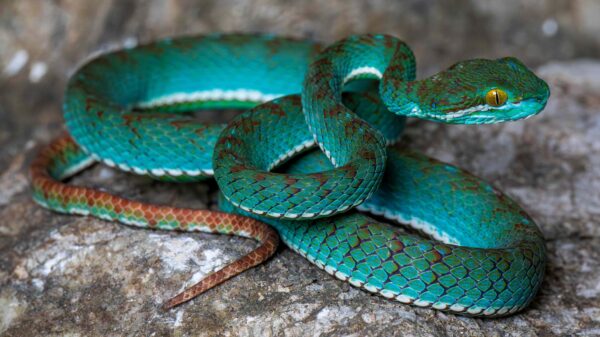
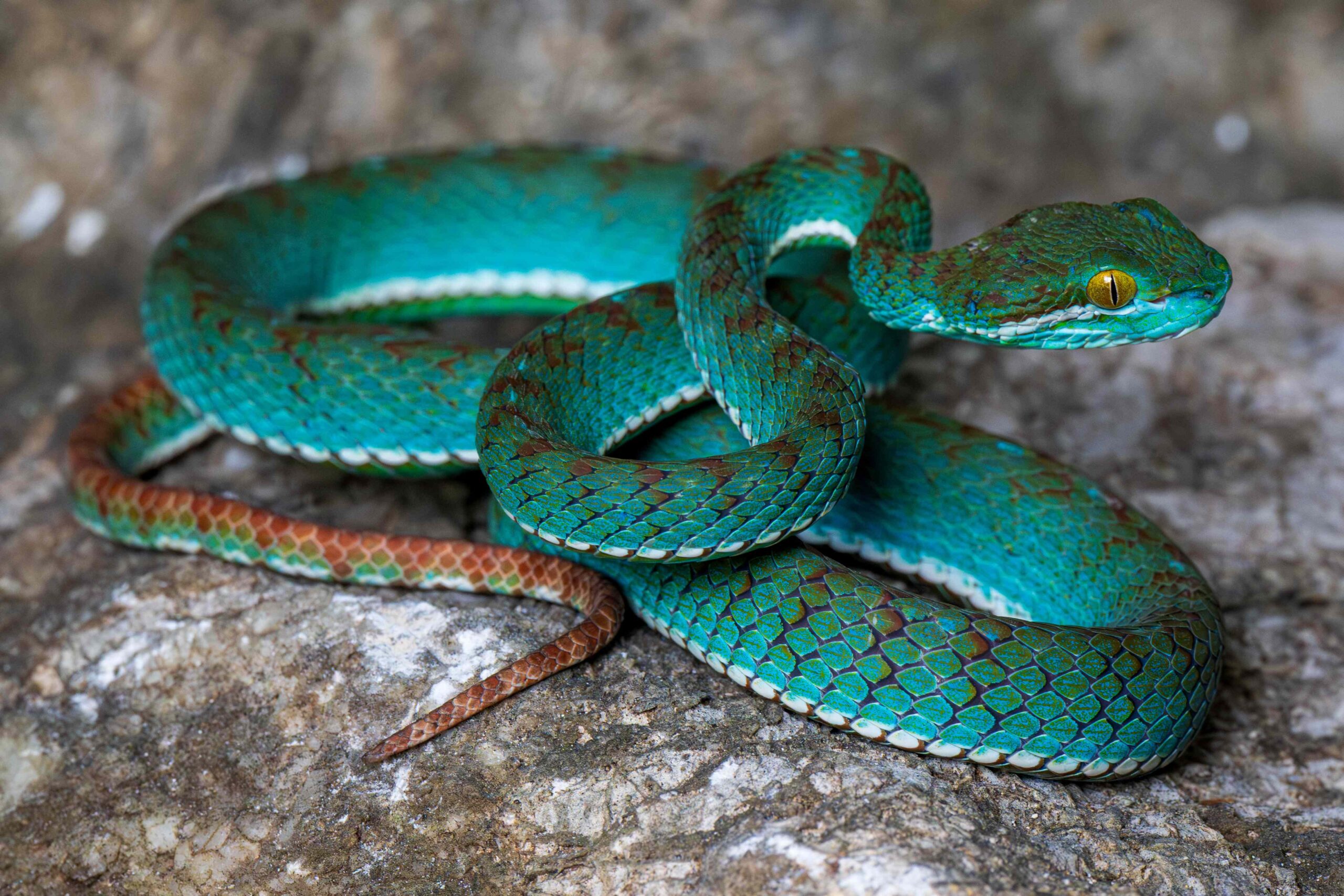
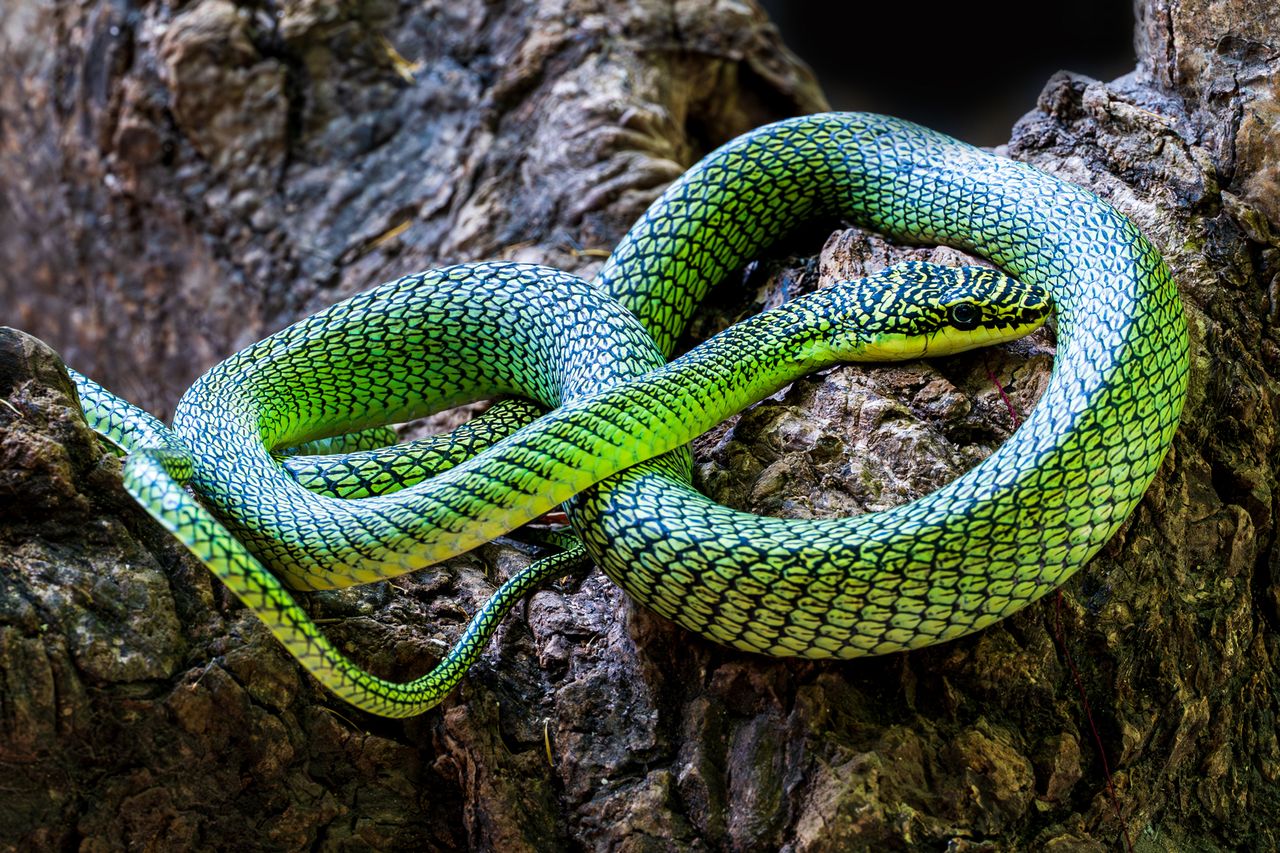
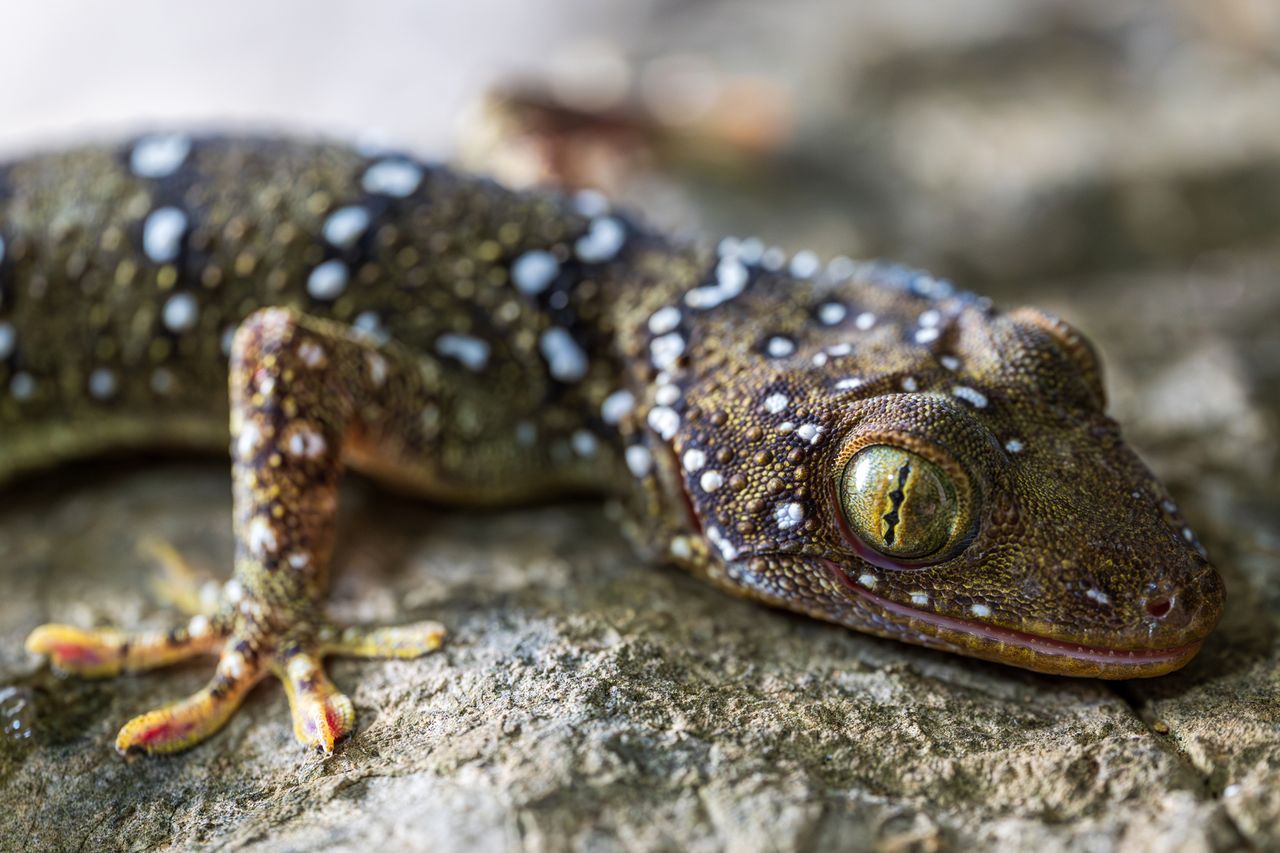
- Among the new species discovered are a turquoise pit viper, a flying snake, and several new species of gecko
- Researchers said that the discovery of these new species can help them improve conservation efforts
Cambodia's limestone caves are home to a variety of critters you won't find in any textbook.
A new biodiversity survey — led by the U.K.-based conservation charity Fauna & Flora — of the caves in the northwestern province of Battambang, Cambodia, revealed at least 11 new species, including previously unknown snakes, geckos, microsnails, and millipedes.
Among the new species discovered in the survey, which occurred from November 2023 to July 2025, are a turquoise pit viper and a flying snake. Those two animals, including three new gecko species, are still being formally named and characterized, according to the survey.
The species that have been formally identified include three gecko species: the Kamping Poi bent-toed gecko (Cyrtodactylus kampingpoiensis), Khpoh slender gecko (Hemiphyllodactylus khpoh), and Battambang leaf-toed gecko (Dixonius noctivagus). Two microsnail species (Clostophis udayaditinus and Chamalycaeus aduncus) and two millepede species (Orthomorpha efefai and Orthomorpha battambangiensis) have also been officially identified as new species.
Credit: Phyroum Chourn / Fauna & Flora
Lee Grismer, a professor of biology at La Sierra University in California, told CNN in a statement that the survey, which explored 64 caves and 10 hills, shows how different environments can affect animals' evolution.
“Think of it as their own vignette of biodiversity, where nature is performing the same experiment over and over again independently,” survey team member Grismer said.
Credit: Phyroum Chourn / Fauna & Flora
“We go to these separate places and analyse the DNA of the species, and we see how the experiment has run. Some look alike, some look different, and by analysing this, we can get an idea of what the driving forces are behind the way they evolve,” he added.
Grismer told CNN that uncovering how these different species interact with the environment and with each other can provide key knowledge in how to preserve them.
"If we are truly going to conserve the biodiversity on this planet, we need to understand what is there," he told the outlet. "We can't protect something if we don't know it exists."
Never miss a story — sign up for PEOPLE's free daily newsletter to stay up-to-date on the best of what PEOPLE has to offer, from celebrity news to compelling human interest stories.
The researchers behind the survey discovered the new creatures by traversing "sharp, rocky terrain" with torches at night and exploring caves hidden in rocks, branches, and vegetation, conservation biologist Pablo Sinovas, who led the Fauna & Flora team in Cambodia, told CNN.
There's still more to discover in Cambodia. Despite a multi-year survey that uncovered numerous unregistered and unexplored caves, researchers say that when it comes to Cambodia's limestone cave system, "a large portion of this is still unknown to science."
Sinovas told CNN, "There is more exploration to be done," adding that they have merely "scratched the surface" of the country's biodiversity.
Read the full article here