


Julie Wyman explores her place in the community of little people in the new PBS documentary 'The Tallest Dwarf'
Credit: PBS
NEED TO KNOW
- Filmmaker Julie Wyman, who says she inherited “short arms and legs, and a long torso” from her father and grandmother, sets out to discover whether she has dwarfism in her latest doc
- “People would say things when I was a kid that made me think I might have dwarfism, but my family just didn’t dig in,” Wyman tells PEOPLE of her late-in-life diagnosis
- The Tallest Dwarf is now available to stream on PBS
Despite not knowing she had dwarfism until later in life, Julie Wyman always sensed there was something “different” about her.
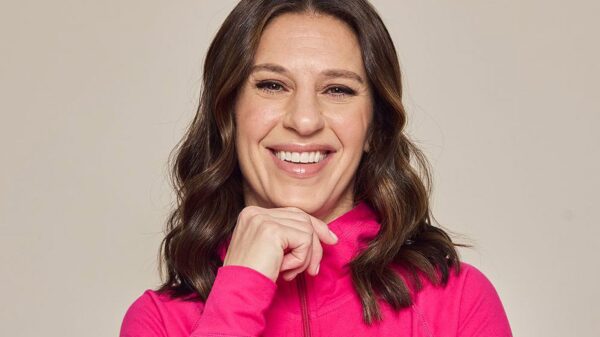
“I always had this experience of not fitting in physically,” Wyman, 56, who directs and stars in the new PBS documentary The Tallest Dwarf, tells PEOPLE. She recalls that her family didn’t notice her differing proportions until she was in high school. “People would say things when I was a kid that made me think I might have dwarfism, but my family just didn’t dig in.”
Wyman, who says she inherited “short arms and legs, and a long torso” from her father and grandmother, explains that filming the documentary — which explores rumors of “partial dwarfism” in Wyman's family and her place in the community of little people — opened the door to more honest and revealing conversations.
Credit: PBS
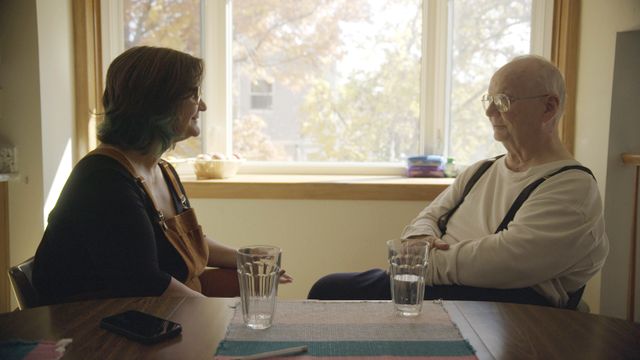
“I started by literally setting foot in my dad’s living room with a camera and just filming us measuring ourselves, playfully approaching the question of what his experience had been like, and what we are,” Wyman, who began the project in 2014, says. Her father, Forrest, died from dementia at age 81 in 2024.
“The term dwarfism didn’t really come up for my dad or his sister, who was also small,” she continues. “For them, it was just, ‘we were short.’ But I had questions about my own body. I knew the experience of not fitting in, and I felt it was time to explore that and to think about dwarfism and learn whether I might have a form of it.”
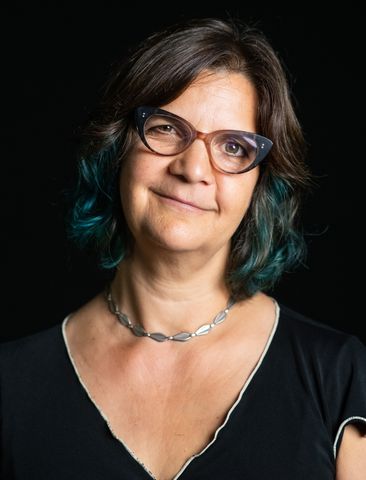
During filming, genetic testing revealed that Wyman, her father and her grandmother all shared the same form of dwarfism: hypochondroplasia — a discovery she describes as “validating.” Says Wyman, who was diagnosed in 2019 at age 49: “Somehow, that helped me understand my childhood experience of bullying. These things I never had a reason for. It was a relief. It helped me understand something that hadn’t been fully clear.”
Credit: PBS
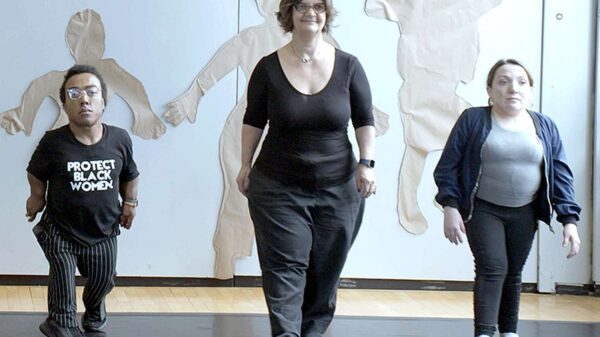
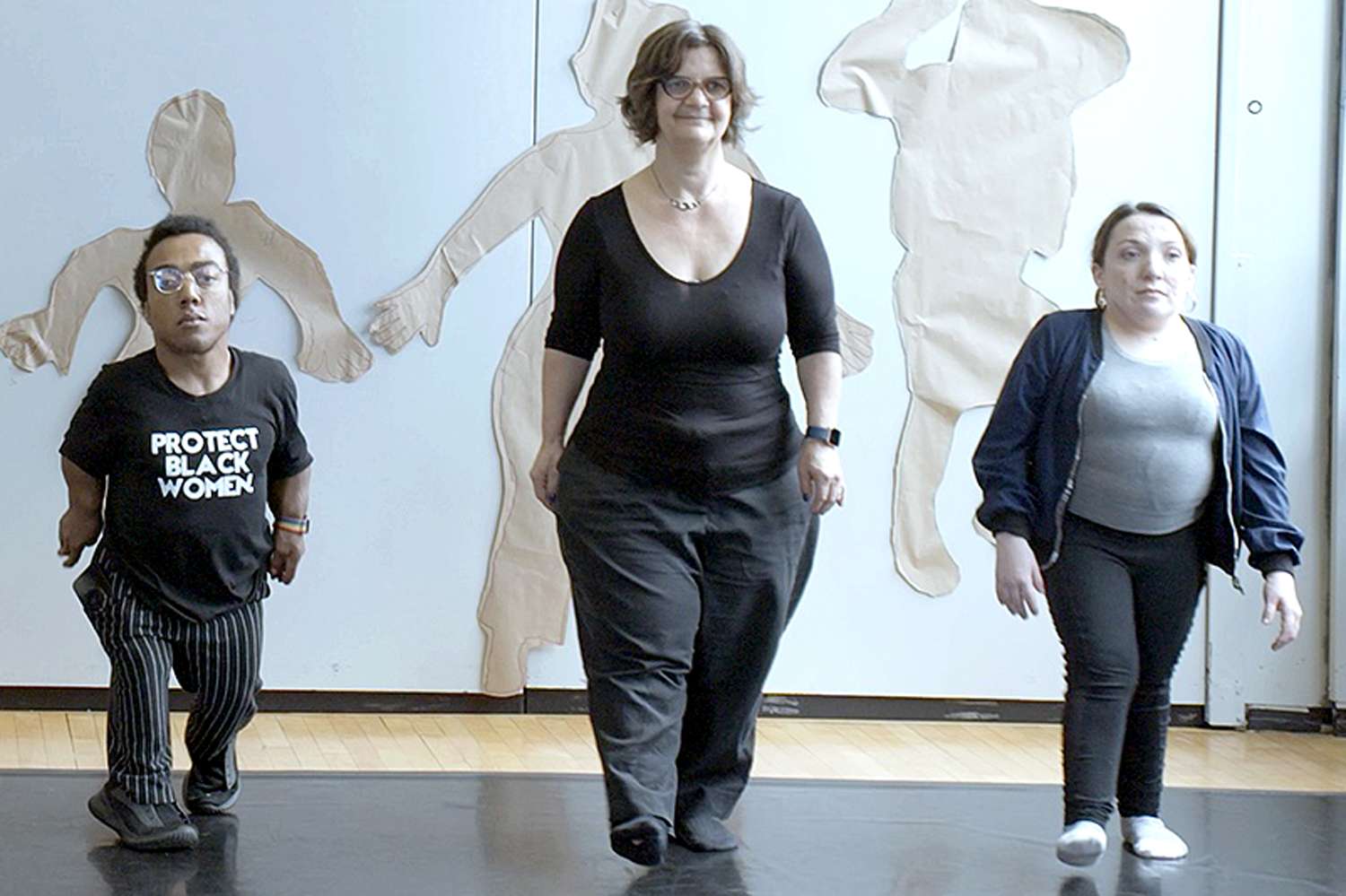
The diagnosis also deepened her connection to the little people community, particularly among fellow artists with dwarfism. “I definitely see myself as an in-betweener,” Wyman says. “Even though I now feel like I have a community, and that there are other tall dwarfs, it would be ridiculous not to acknowledge the differences between me and many of the little people who are my friends. I have a certain level of access or privilege that comes with being five feet tall, even if my proportions are similar. So while I have a way of fitting in that I never have before, I think I will always be kind of on the edge.”
Learning she had dwarfism also strengthened her relationship with her father. “I feel so lucky that I got to have these conversations with him and film them before his death. It’s been kind of beautiful,” she says. “I think the arc of the film is this moment of understanding I had with him at the end when he said, ‘I understand because I felt the same way.’ ”
For viewers unfamiliar with dwarfism, Wyman hopes the film encourages a broader appreciation of human diversity. “I hope people can see how skewed the world can be and how misunderstood we are,” she says. “There’s a lot of movement in the film because I want to create space to see the beauty in dwarf bodies, and the beauty in all our varied proportions.”
The Tallest Dwarf is now available to stream on PBS.
Read the full article here