



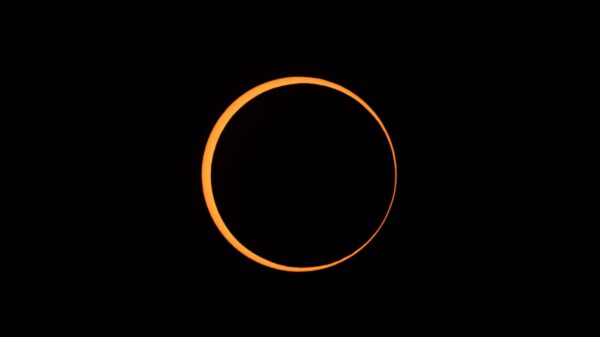


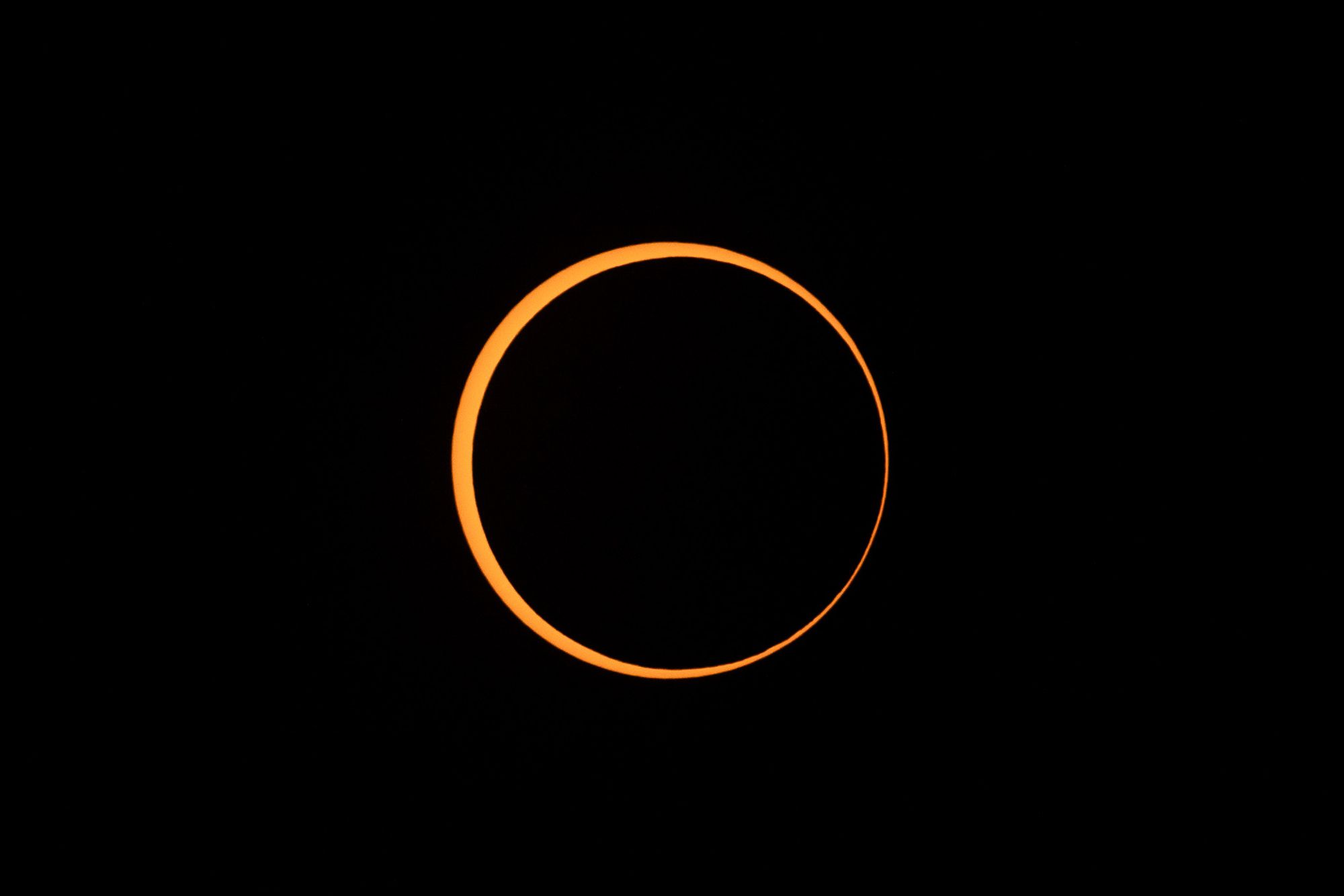
The first eclipse of 2026 will be an annular solar eclipse, leaving a glowing outer ring of fire around the moon
Rick Kern/Getty
The first eclipse season of the year is officially in session!
On Feb. 17, skywatchers around the world will be served with a cosmic event to remember: an annular solar eclipse, most commonly known as a “ring of fire.”
This celestial phenomenon occurs during the new moon phase, when the moon passes directly in front of the sun’s disk while sitting farther away in its elliptical orbit, according to Space.com.
During this time, the moon’s disk appears slightly smaller than the sun from our view on Earth and as a result, a bright halo (or ring) of sunlight remains visible around its edges, creating a striking ring-shaped effect that gives the eclipse its name.
While this isn’t our first-ever solar eclipse — considering they occur twice a year at the very minimum — we don't see eclipses like this often.
In addition to being harbingers of change in astrology, ancient civilizations believed eclipses were powerful omens, often signaling upheaval and divine intervention. They weren’t wrong!
Eclipses always arrive in pairs — solar eclipse followed by a lunar eclipse, or vice versa — but this doesn't always mean they are visible from Earth.
Here’s everything you need to know about when, where and how to watch this cosmic spectacle.
When is the annular solar eclipse?
STR/AFP via Getty
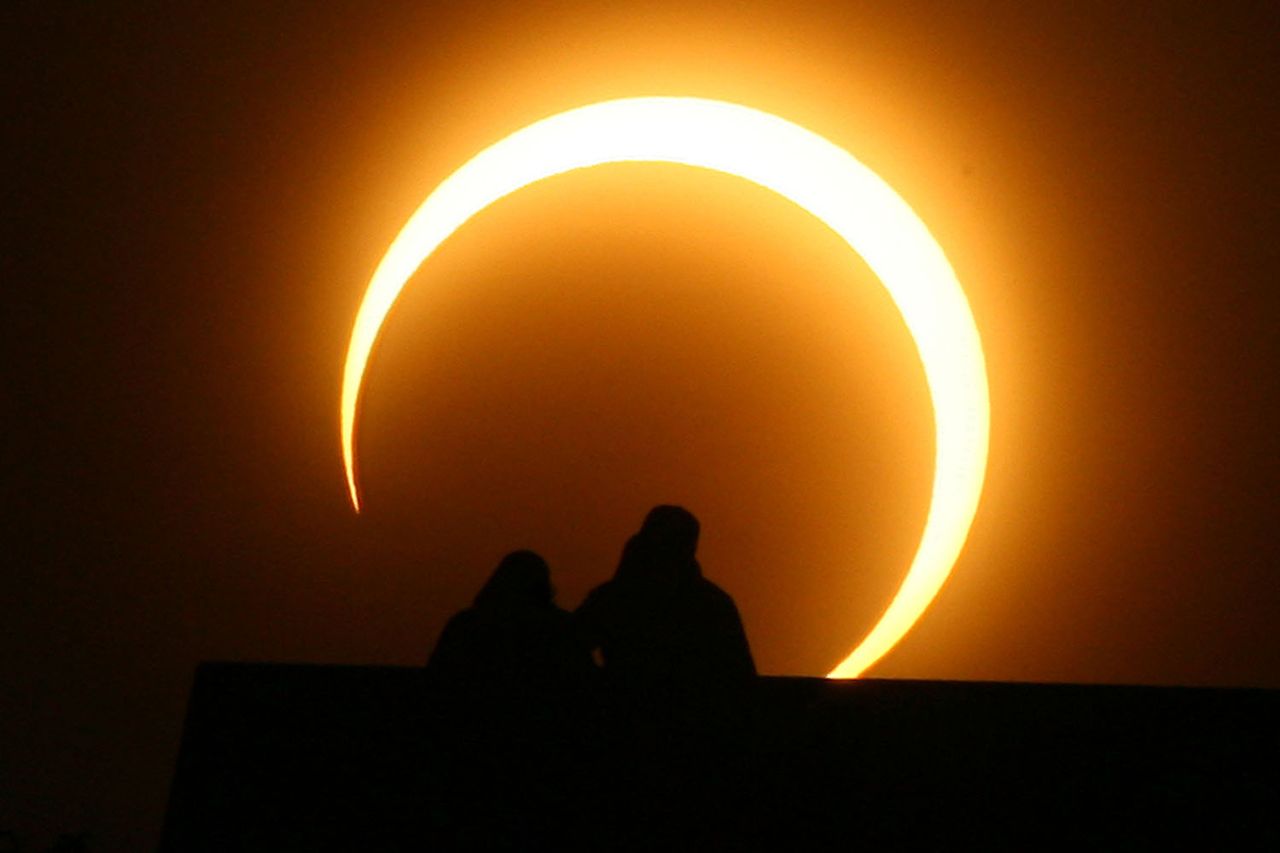
The "ring of fire" eclipse will take place on Tuesday, Feb. 17, at exactly 7:01 a.m. ET.
Where will the annular solar eclipse be visible?
Mike Lawrie/Getty
Unfortunately, many of us won't be able to catch a glimpse of the solar eclipse.
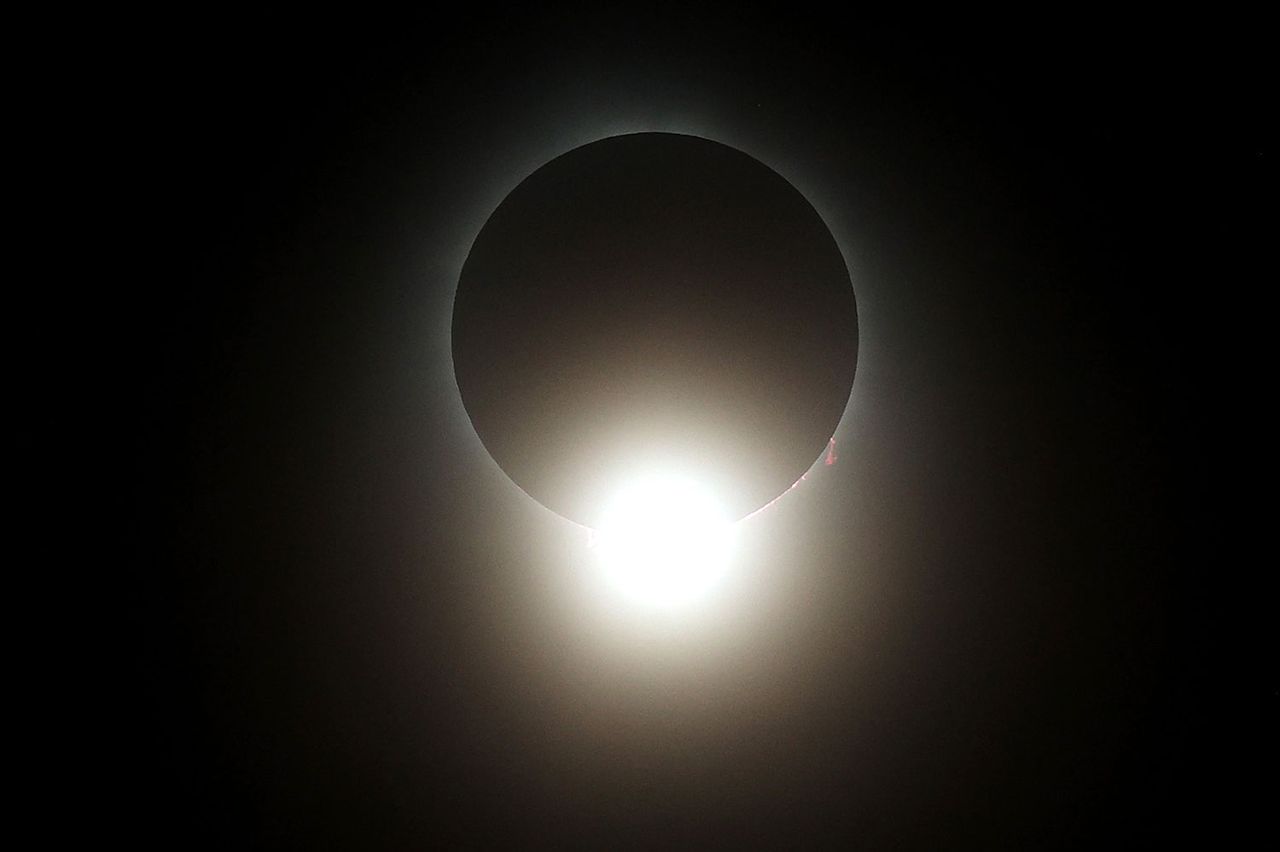
The full annular phase — when the glowing ring appears — will only be visible along a narrow path across remote regions of Antarctica.
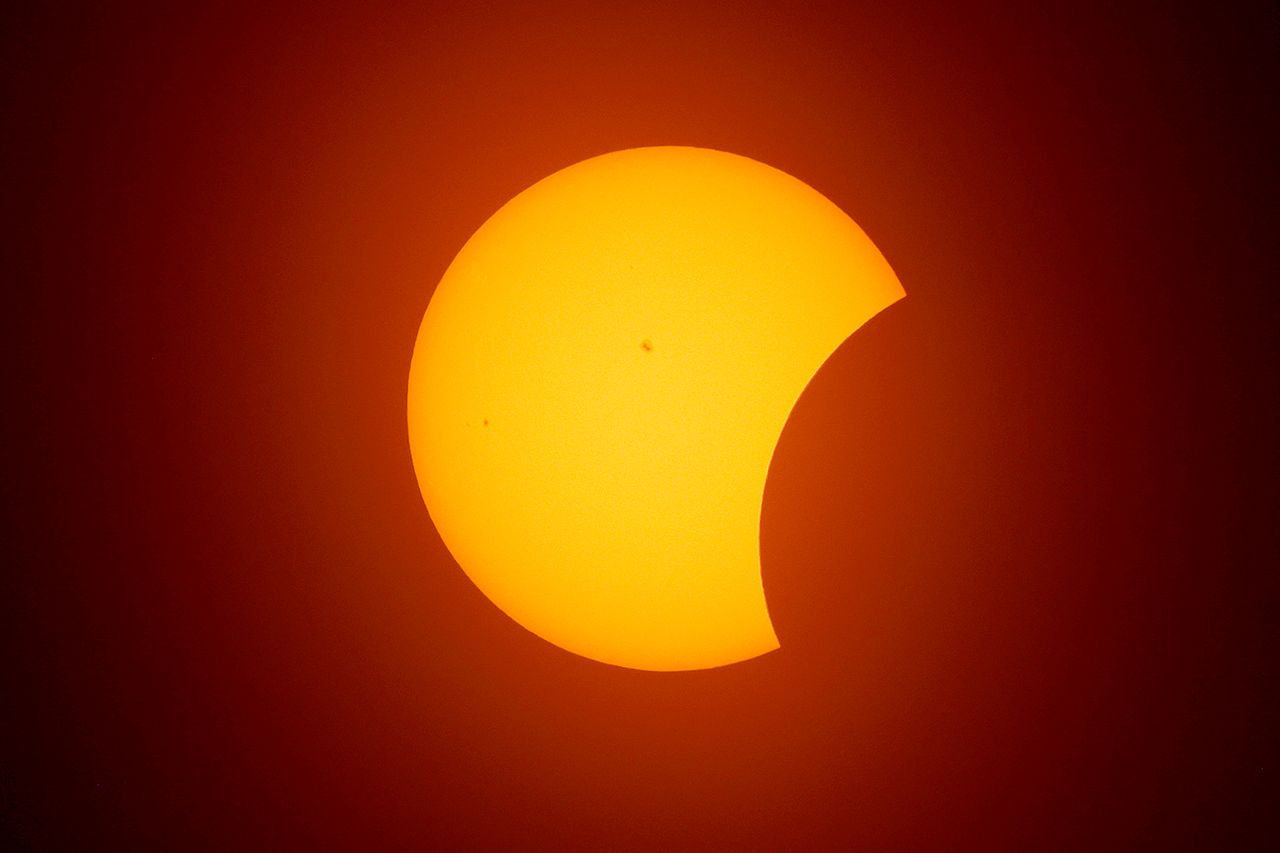
Still, according to Time and Date, a much wider partial eclipse will be visible from parts of Argentina, Chile, South Africa, Mozambique and Madagascar, as well as across large portions of the Pacific, Atlantic and Indian oceans.
What time does the annular solar eclipse begin?
Ron Jenkins/Getty
While timing typically varies according to location, the global eclipse schedule is as follows:
According to Time and Date, the partial eclipse begins at approximately 4:56 a.m. ET, reaching its maximum (ring of fire) at 7:12 a.m. ET, before ending at 9:27 a.m. ET.
How to watch the annular solar eclipse?
Kena Betancur/AFP/Getty
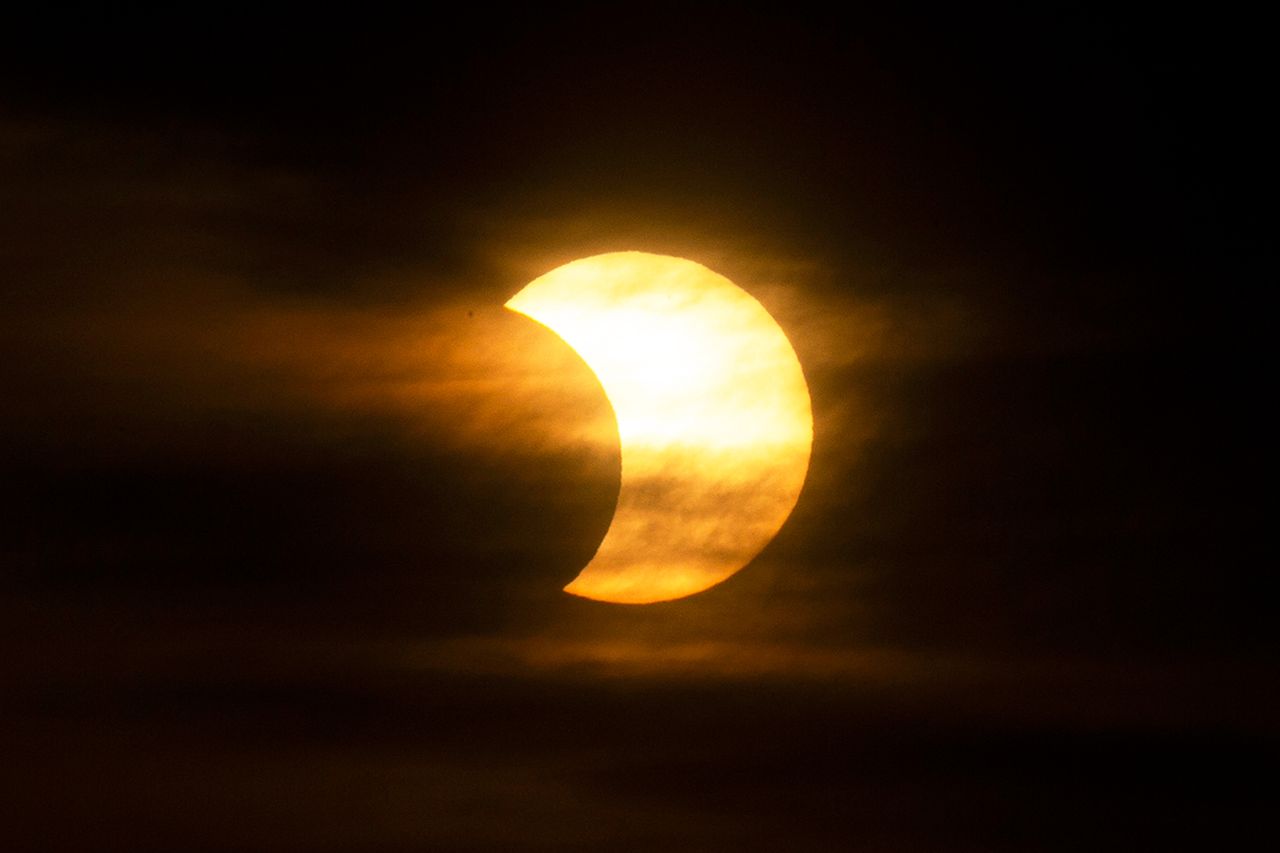
Though the annular "ring of fire" solar eclipse won't be visible to everyone, one thing's for sure when trying to watch a solar eclipse: you will need a pair of certified solar eclipse glasses.
Regular sunglasses will not provide sufficient protection, as the sun is never safe to look at directly. Fortunately, in this day and age, there's a little something called livestreaming!
You can watch February's annular "ring of fire" eclipse here via Time and Date.
When is the next solar eclipse?
The next major solar eclipse after February's annular event will be a total solar eclipse on Aug. 12, 2026. You're also in luck, stargazers, as this one will be partially visible across much of North America.
Read the full article here