
Fiji is in the grips of the fastest growing HIV outbreak in the world, with half of those infected contracting the virus from sharing needles
De Agostini via Getty
NEED TO KNOW
- The South Pacific island nation of Fiji is facing the fastest-growing HIV outbreak in the world
- The rise in cases is fueled by needle-sharing practices amid a rising methamphetamine epidemic
- The spike in cases is highest in young people
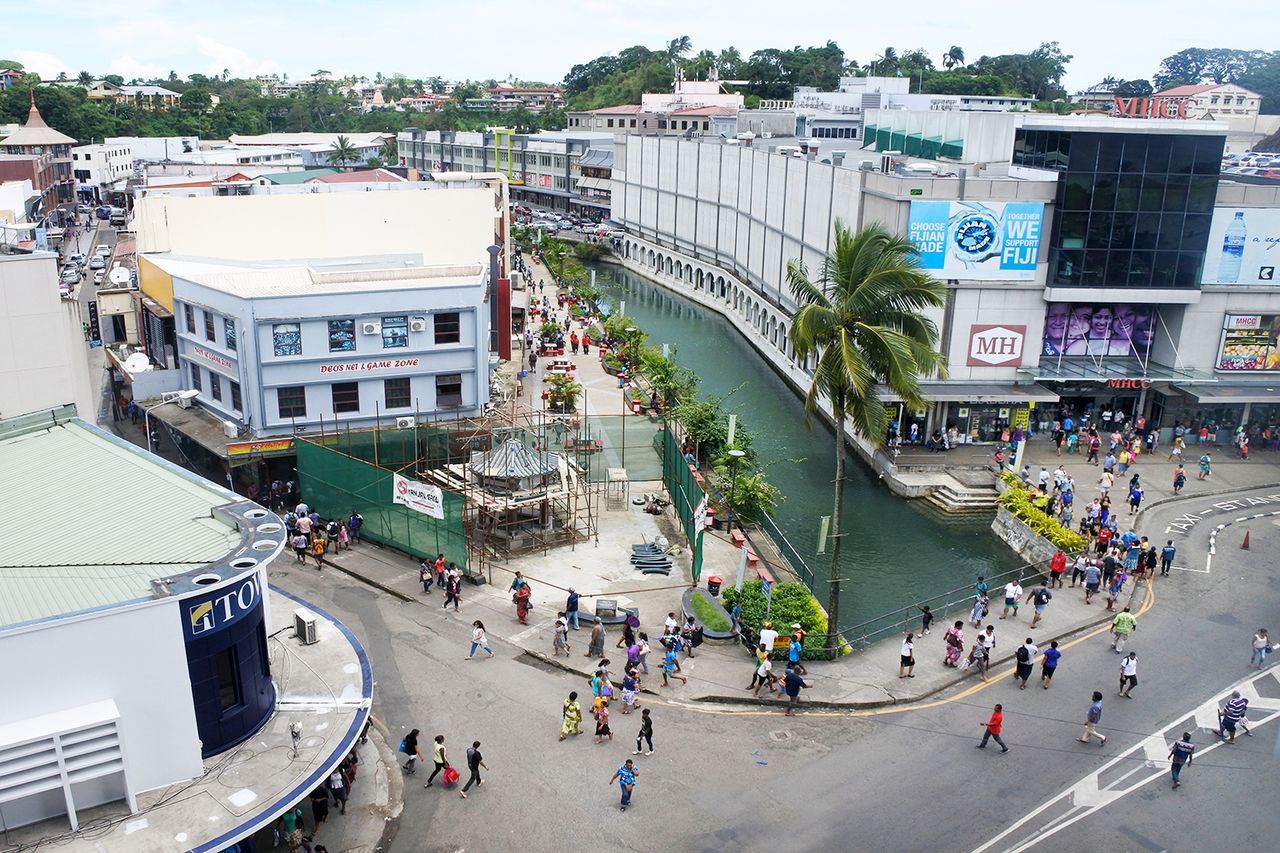
The island paradise of Fiji is in the grips of an HIV outbreak that’s largely fueled by a drug epidemic.
Cases of HIV are rising at an alarming rate, the World Health Organization says. In 2024, there were 1,583 new cases of HIV in a country with less than 1 million people. And in the first six months alone of 2025, there were 1,226 new cases.
It’s now the fastest-growing HIV outbreak in the world, the European Aids Treatment Group says.
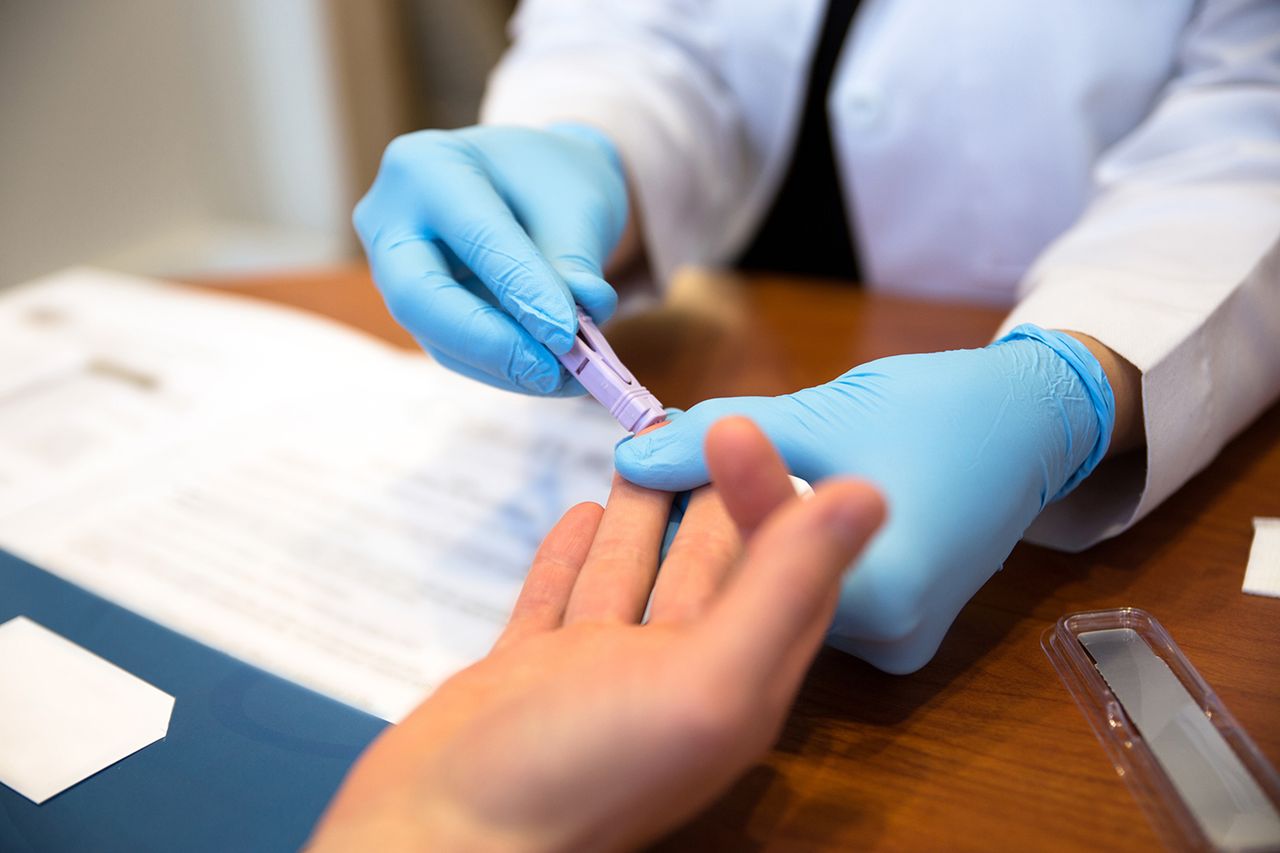
Nearly half of those being treated for HIV were injecting drugs and sharing needles, WHO says, pointing out that “new evidence highlights unsafe injecting drug use is a major driver of transmission and exposes urgent gaps in access to prevention and stigma-free care.”

Chameleons Eye/Shutterstock
The drug of choice in Fiji: Meth, where it’s injected — often at communal sessions where everyone shares the same needle and injects each other with their blood — The Washington Post reports, as a robust drug trade has spilled over into residents of the South Pacific island nation and popular tourist destination. This year, the number of HIV cases are expected to double, the outlet reports, adding that health officials believe the number is actually higher that reported, due to many of those who’ve been sickened not getting tested.
The spike in cases comes in residents between 15 and 34 years of age — and from mothers who are passing the infection to their babies, the outlet reports. During COVID — when tourism dollars halted — drug runners began getting paid in meth instead of money, prompting an explosion of addiction in the urban communities, WaPo reports.
"More young people are using drugs," Sesenieli Naitala, who runs Fiji's Survivor Advocacy Network, told the BBC last year, sharing that the youngest one she met was 10 years old. He’d already contracted HIV from sharing needles.
Getty
Never miss a story — sign up for PEOPLE's free daily newsletter to stay up-to-date on the best of what PEOPLE has to offer, from celebrity news to compelling human interest stories.
Health agencies are hoping to help combat the problem with a free syringe program and raising awareness about the risks of sharing needles, as Fiji’s Minister for Health and Medical Services, Hon. Dr Atonio Lalabalavu said, per the United Nations Development Programme: “The Ministry recognises the vital role of sterile needles and syringes in preventing new infections linked to equipment sharing. The National HIV Outbreak and Cluster Response Taskforce, with our international partners, is working to rapidly introduce a needle and syringe programme as part of our urgent public health response.”
But for many of the marginalized communities, HIV is just another thing to add to an already mounting list of challenges: Ben Morrison, co-founder of the nonprofit Inspire Pacific, told the outlet that most of the boys he’s met in his charity’s camp became infected with HIV through sharing needles. “HIV is like, what’s that? Okay, I got a sickness, but look at my life: I don’t have a dad, I don’t have a home, I don’t eat on a daily basis,” Morrison told WaPo of the challenges faced by Fiji's most vulnerable. “So what’s another diagnosis from a doctor to me?”
Read the full article here