

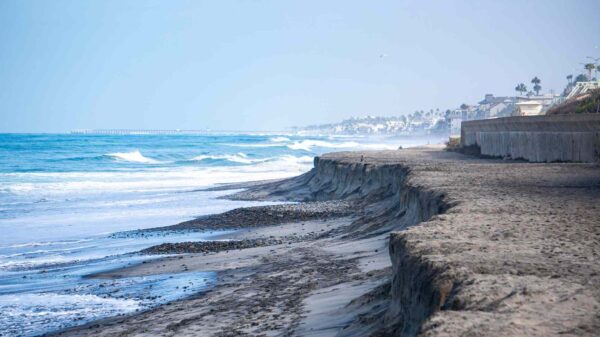





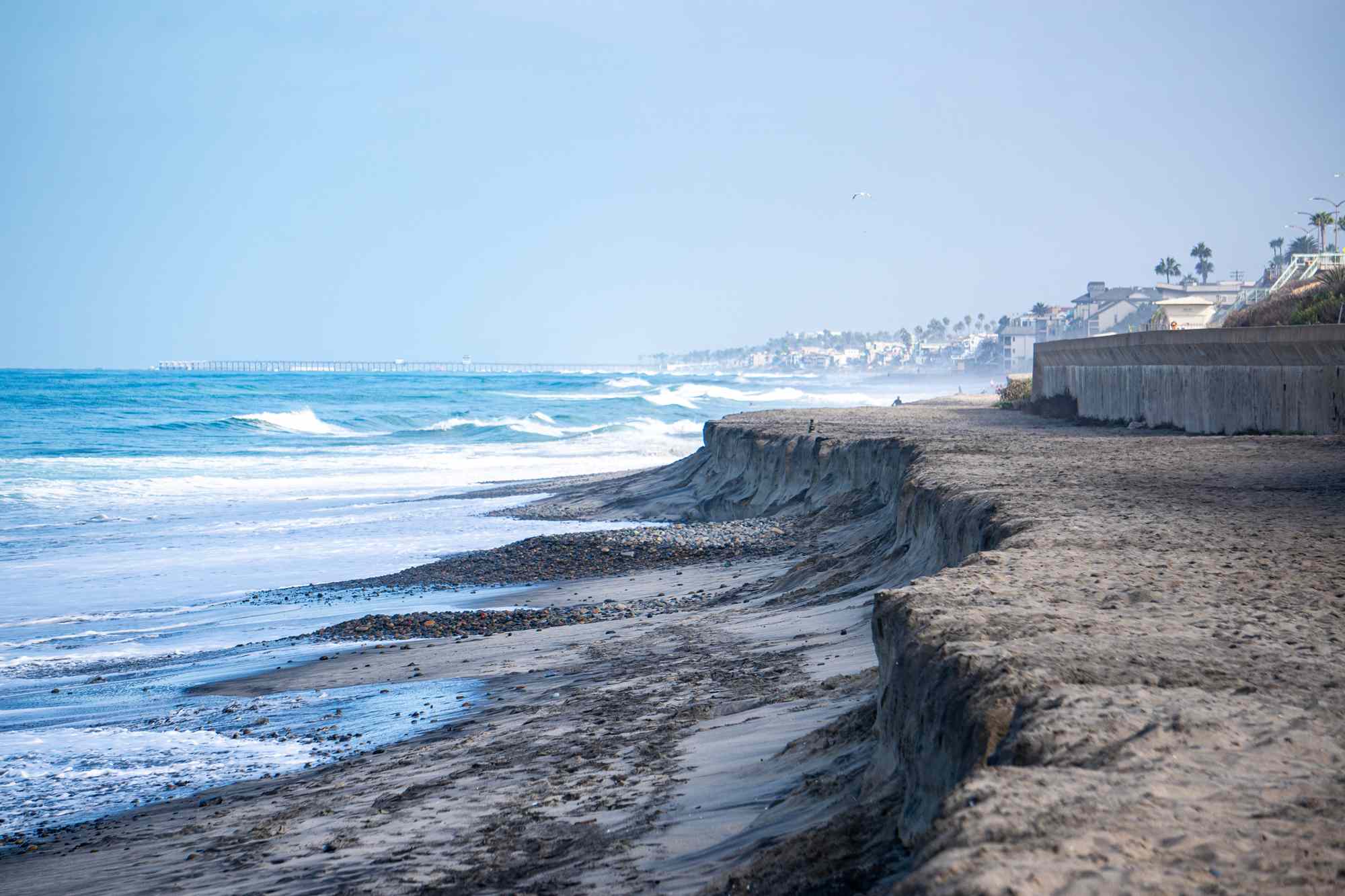
“California is already taking steps now to protect communities from a potentially historic El Niño,” said California Natural Resources Secretary Wade Crowfoot
Credit: Jacob Lee Green/Sipa via AP
NEED TO KNOW
- A “super El Niño” is developing over the Pacific Ocean with a 75 percent chance of exceeding the strength of previous events dating back to 1950, according to a recent forecast
- California Gov. Gavin Newsom declared a state of emergency on Monday, Sept. 21, ahead of the climate event’s potential to bring winter storms to the West Coast
- “We are preparing for this El Niño early because every Californian deserves to be safe in their home, connected to their community, and protected when severe weather comes,” Newsom said
A “super El Niño” is developing over the Pacific Ocean, threatening to bring potentially record-breaking storms to the West Coast.
California Gov. Gavin Newsom declared a state of emergency on Monday, Sept. 21, to mobilize state resources ahead of any impacts of the exceptionally strong natural climate phenomenon this winter.
“California is strongest when we look out for one another,” Newsom wrote in a press release. “That is what this action is about. Giving communities the support they need, giving first responders the tools to do their jobs, and giving families the confidence that their state is ready.”
“We are preparing for this El Niño early because every Californian deserves to be safe in their home, connected to their community, and protected when severe weather comes,” he added.
According to the U.S. Geological Survey, El Niño refers to the warming of the ocean surface in the central and eastern tropical Pacific Ocean, which can disrupt normal weather patterns.
In the United States, El Niños typically bring wetter weather to southern states and drier conditions up north, as well as causing higher temperatures worldwide as heat is released from the ocean, reported Fox Weather.
And back in the spring, forecasters predicted that this year’s El Niño had the potential to be especially strong — potentially even “super,” an unofficial moniker used to refer to El Niños that cross the threshold for “very strong,” the highest official category for the climate pattern, according to CNN.
Never miss a story — sign up for PEOPLE’s free daily newsletter to stay up-to-date on the best of what PEOPLE has to offer, from celebrity news to compelling human interest stories.
As of Monday, this year’s El Niño is breaking records with sea surface temperatures higher than scientists have seen since 2015, per Carbon Brief. The El Niño event, which has been underway since June, has also been developing faster than any previous events on record.
A recent NOAA forecast stated that this year’s El Niño has a 75 percent chance of exceeding the strength of previous events dating back to 1950.
A study published in the journal Science also found that El Niño events are now more than 36 percent stronger than before the industrial era as the planet has gotten warmer over the last 40 years.
For California residents, this could mean repeated rounds of heavy rain, strong winds, mountain snow, flooding, landslides, debris flows, large waves and coastal flooding. As a result, roads may be closed and power outages may cut off electricity to homes and businesses.
“California is already taking steps now to protect communities from a potentially historic El Niño because we know how serious these weather extremes driven by climate change can be,” California Natural Resources Secretary Wade Crowfoot said in a press release. “Through the Governor’s state of emergency, we’re cutting red tape and fast‑tracking the flood‑protection and broader preparedness work communities need now.”
Crowfoot added, “We’re mobilizing with our partners to safeguard people, infrastructure, and natural resources before the worst storms arrive.”
Read the full article here