
The celebrated author’s granddaughter Martha White looks back on how a poem her grandfather published decades ago became a new children’s book
Credit: Donald E. Johnson; HarperCollins Children’s Books
NEED TO KNOW
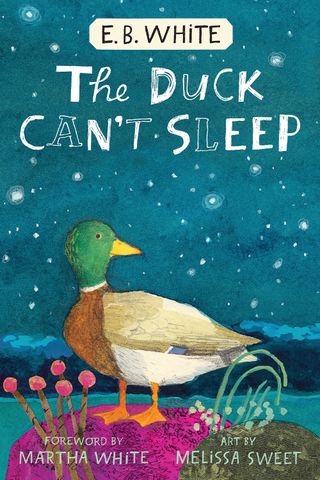
- The Duck Can’t Sleep is based on a nearly 100-year-old poem by E.B. White, with illustrations by Melissa Sweet
- Martha White, E.B. White’s granddaughter, has curated his literary estate for over 20 years, preserving his timeless works
- She looks back on how his books remain beloved across generations, offering comfort and connection to readers young and old
There’s a new E.B. White children’s book on the way, and it’s been a long time coming.
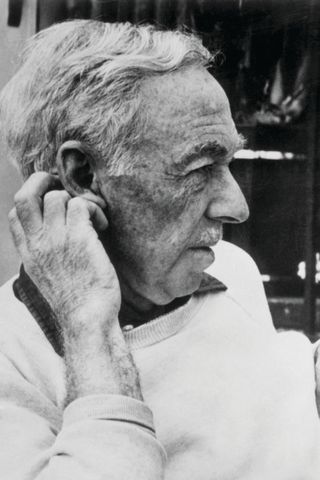
Almost 100 years after The New Yorker first published the E.B. White poem on which it’s based, The Duck Can’t Sleep arrives with a foreword by White’s granddaughter Martha White and art by two-time Caldecott Honoree Melissa Sweet. And much like the Charlotte’s Web, Stuart Little and The Trumpet of the Swan author’s other posthumous books, getting it out into the world has been a family affair.
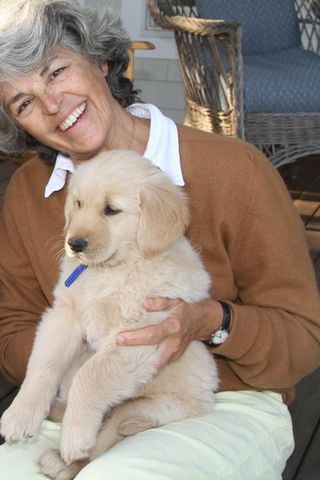
Martha White has been curating her grandfather’s work for almost 20 years, since her mother first started passing the torch in 2000. The first thing White did was re-read all of the writing she could find. “That was kind of my way of entering [the job], reading everything, knowing the letters, knowing what was in the archive,” she tells PEOPLE. “I tried to read everything, and that was the beginning of it.”

Credit: HarperCollins Children’s Books
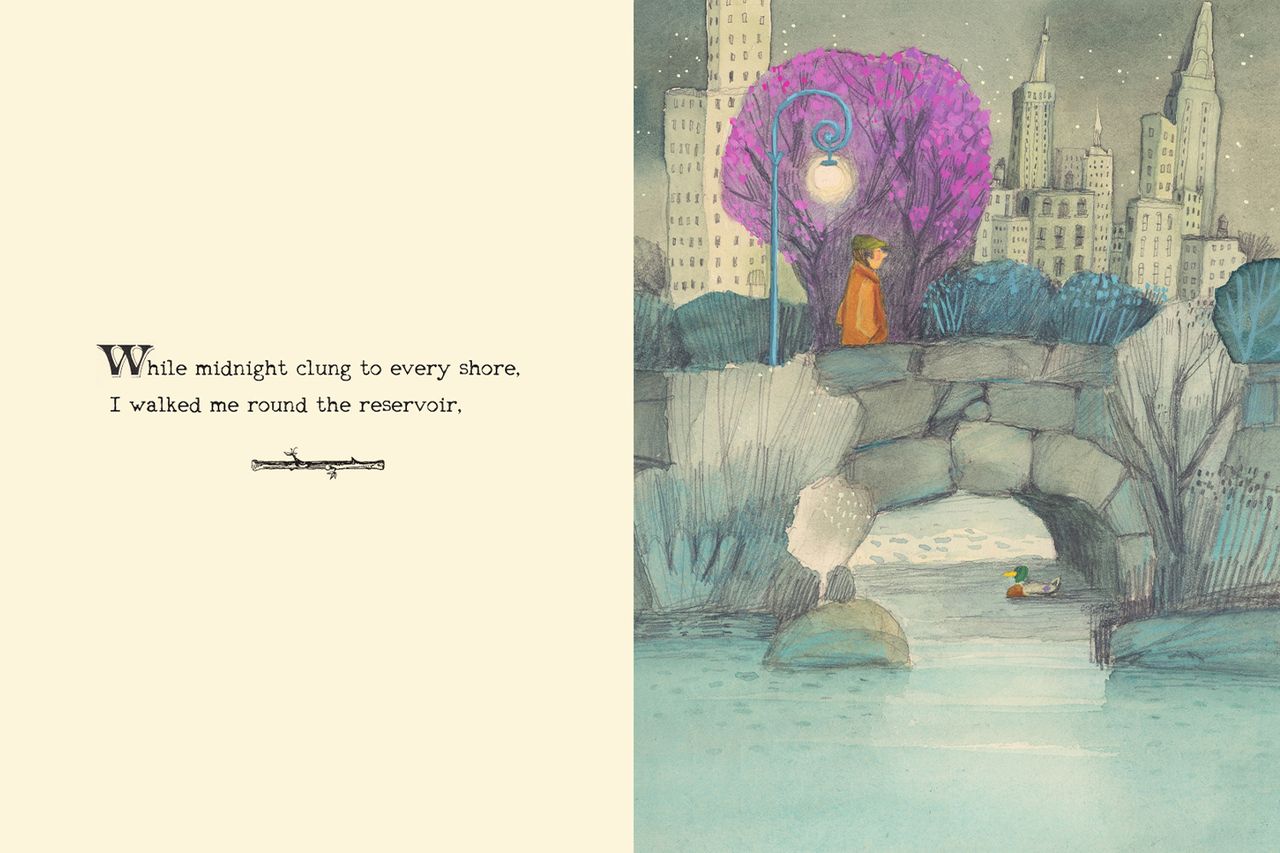
Over the years, White’s estate has published a number of posthumous books drawn from the rich archives he left behind. But there wasn’t an unfinished children’s book waiting in the wings, his granddaughter says. Then the idea for The Duck Can’t Sleep arose when Martha White and Sweet took a walk together.
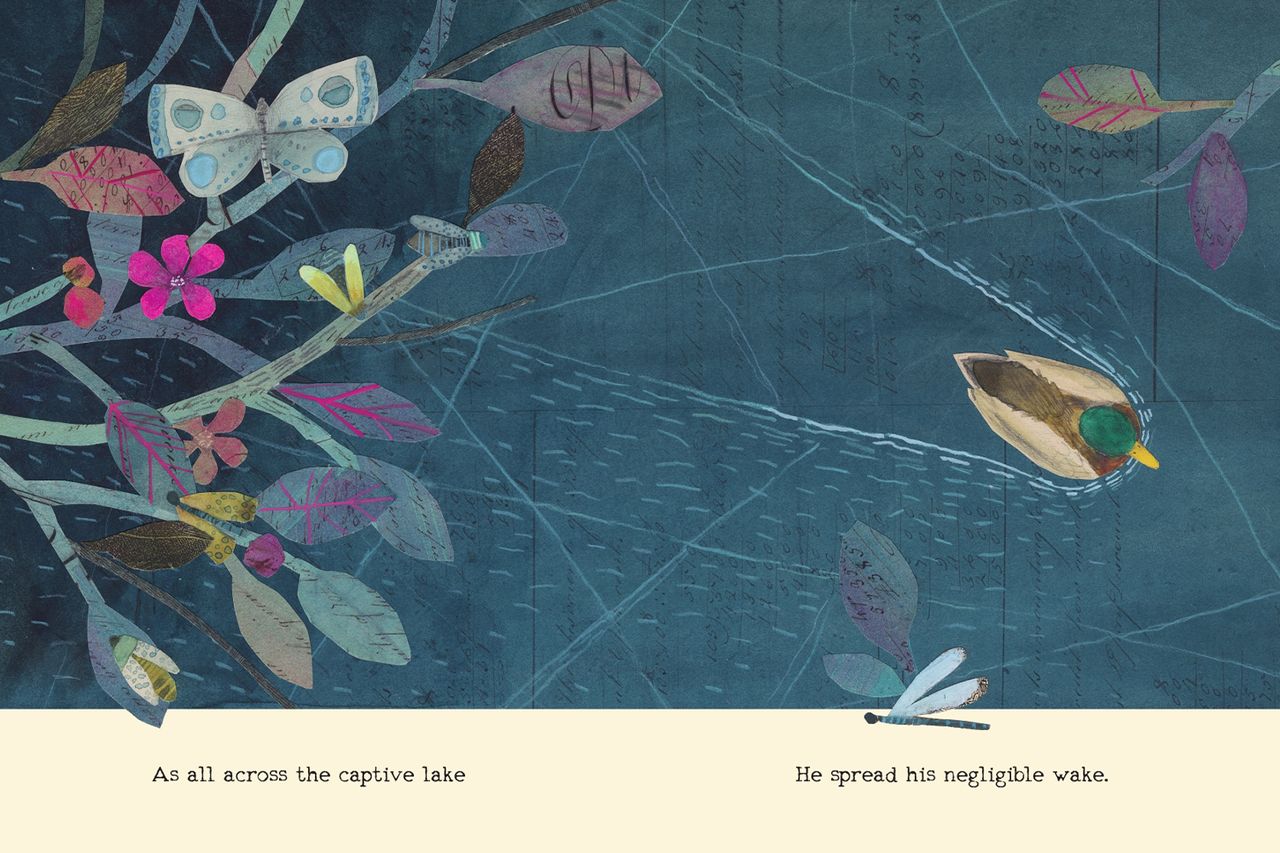
“She was a neighbor, and we walked dogs together, and I got to know her a little bit,” White recalls. “I had young granddaughters myself, so we were reading her books to them. And she’s done a series of different books that were poems turned into a children’s book, and I had seen some of those, and it was at that point that I realized, ‘alright, this could be a young child’s book, and Melissa has done this before, would know just what to do with it,’ and that’s when those two things sort of came together in my mind. But the poem had been on my shelf for many, many years by then.”
The result was a book that White hopes will resonate with both children and adults, much the same way her grandfather’s previous kids books have for generations.
“I think one of the things that has made his children’s books so timeless is adults enjoy them also. I mean, there’s something in them that the adult is going to get on their level, as well as plenty for the child to get on their level. And the two together just make people want to keep coming back to them,” White explains. “He just had that childlike sense of wonder that he brought to everything.”

Credit: HarperCollins Children’s Books
White and his wife, Katherine — herself a New Yorker reviewer of children’s books — had a sensibility about children’s books that was unusual for the time.
“She was a big critic of the children’s books of the early 20s and 30s, that were very didactic and kind of strong on the preaching end, that they weren’t that much fun to read, or to be read to from,” White says. “So I think they had a different point of view about what children’s books might want to be — lucky for all of us.”
As a kid, White loved her grandfather the way kids do, without understanding that other children had also read and loved the stories he shared with her. “Going for a walk with him, it was always great being with him outdoors, or on the beach, or in the woods, or in the barnyard, because he really listened to children. He really loved to hear what children had to say, or what they were noticing,” she says.
Credit: HarperCollins Children’s Books
It wasn’t until much later that White realized her grandfather’s literary status, and even longer before she felt comfortable owning their shared name.
“It never occurred to me that anybody else really knew them, you know? I mean, he was not the sort of writer who was a celebrity. He didn’t invite the bigwigs, he didn’t rub elbows, he didn’t do readings. I mean, he worked in this office or was around the farm,” White explains. She kept her famous name to herself too, to give herself time to come into her own as a writer.
Credit: HarperCollins Children’s Books
“It wasn’t until I went away to school that I realized a lot of other people knew my grandfather and knew his books. And of course, we had read them, but it didn’t occur to me that a lot of other people had. And then, when I was going through college and becoming a writer myself and doing editing work for other magazines and so forth, I didn’t tell people who my grandfather was, because I was very conscious of wanting to make my own way and not be compared to this bigwig writer and not be expected to write like him or something like that,” she continues.
“So I didn’t let on who he was. I was very proud of him, of course, but it wasn’t something I put on my resume. And so it really wasn’t until I took over the literary estate from my mother … when I started to sort of come out of the closet as the granddaughter of E.B. White.”
Credit: Marti Stone Photography
Today, White loves seeing the continued interest in her grandfather’s work, which remains popular across the globe — something her grandfather and her own father always thought would start to taper off. Her own daughter, Molly White, is learning the ropes so she can take over from her mother someday, and is going to be working on a graphic novel adaptation of Charlotte’s Web to bring the beloved story into the booming new format.
“It’s been a privilege and an honor, and it’s been really exciting and interesting to see how well these books have aged and how people are still reading his work, and not just the children’s books,” Martha White says.
One of the most gratifying aspects, too, is hearing readers’ responses to the books across generations. “People often come with their own stories of when they first read the books, or when they first gave them to a grandchild, or were given them themselves as a young person … everybody has their own piece to bring to it,” White explains. And she still gets letters from children, who don’t know the author wrote the books decades before they were born.
“The teachers must know that E.B. White is no longer with us, but the children write as if he is, and so we get letters to E.B. White and drawings of the spider, or the trumpet, or swan, or the mouse, and which ones are their favorite, and what they think.”
Some of those same books that comforted readers as children serve another purpose as they grow older.
“One interesting thing, which I did not expect, is a lot of adults reread Charlotte’s Web because it reduces anxiety. It makes them feel comfortable, it makes them feel at home,” White explains. Even a friend of her own family turned to the book at a particularly difficult time.
Credit: HarperCollins Children’s Books
“And it’s not uncommon to hear, for instance, that Charlotte’s Web is sometimes the book that people read when they’re dying. And that’s a very poignant thing, because it’s also about the death of the spider, and the spider dies alone, of course, but all these people, her other characters have been around her up until that moment, and I can understand why people might feel that way about it,” she says.
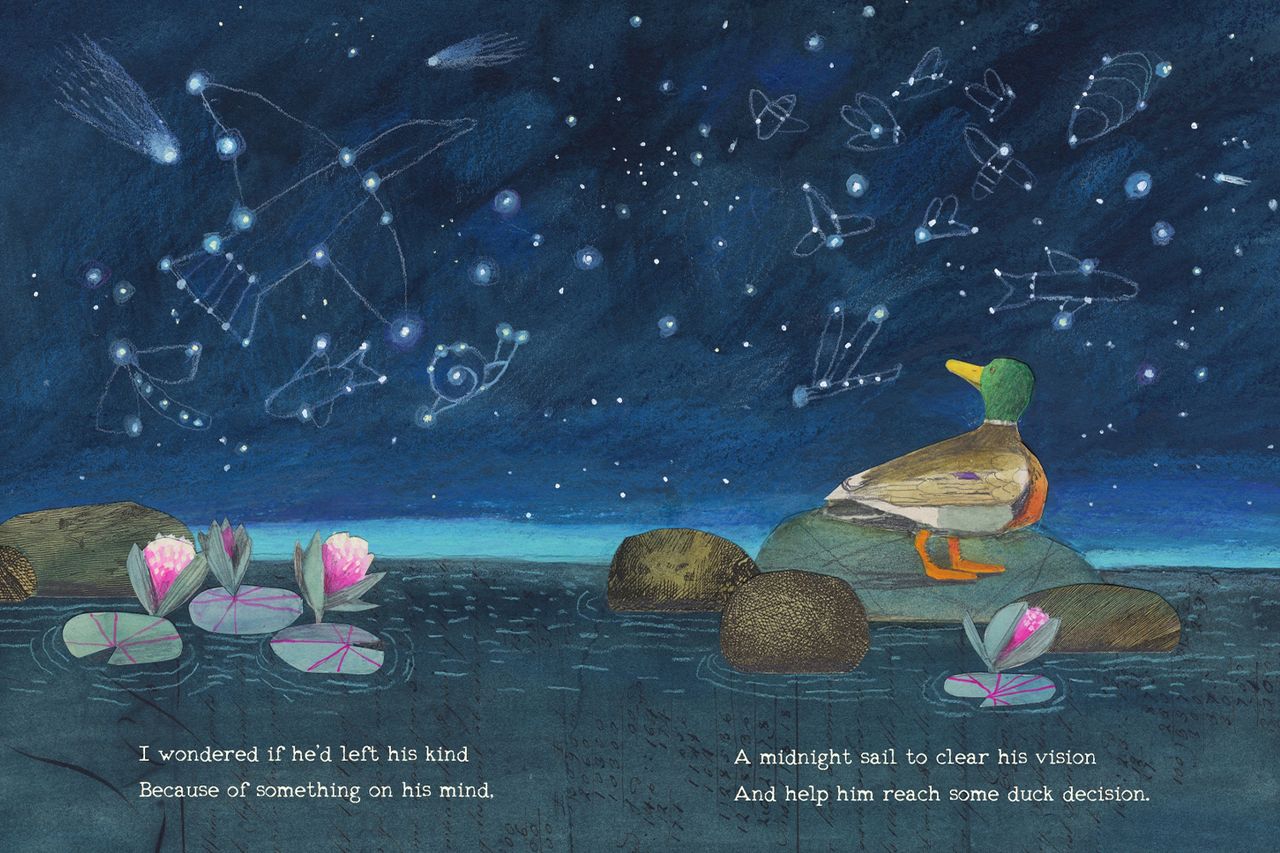
She hopes The Duck Can’t Sleep brings that same sort of comfort to readers young and old, just like meandering walks helped her grandfather when he wasn’t able to sleep either. “I’ll be curious how the balance goes,” White says.
Need your next page-turner? See which books our editors can’t put down with our People Who Read newsletter — plus get PEOPLE News.
The Duck Can’t Sleep is available now, wherever books are sold.
We independently evaluate all recommended products and services. If you click on links we provide, we may receive compensation.
Read the full article here