





The "ghost shark" was discovered off the coast of Australia and are distant relatives of sharks and rays
Credit: SuBastian/Schmidt Ocean Institute
NEED TO KNOW
- Scientists discovered 1,121 new ocean species, including “ghost sharks” and a carnivorous “death ball” sponge
- The Ocean Census mission aims to document 100,000 species, quoting a study that 90% of ocean life remains undiscovered
- Some new species, like ribbon worms, are being investigated as their unique toxins may be potential treatments for Alzheimer’s disease and schizophrenia
Scientists have discovered over 1,000 new species of ocean life that have been lurking below our waters, including creatures dubbed “ghost sharks” and a “death ball.”
The Nippon Foundation-Nekton Ocean Census, the world's largest mission to accelerate ocean species discovery, announced that it had searched depths of up to 21,571 feet and found 1,121 “previously unknown” living beings via a press release on Tuesday, May 19.
A symbiotic bristle worm living within a “glass castle,” as well as different varities of ribbon worms, corals, crabs, shrimps, sea urchins and anemones are some of the new species that have been discovered and named.
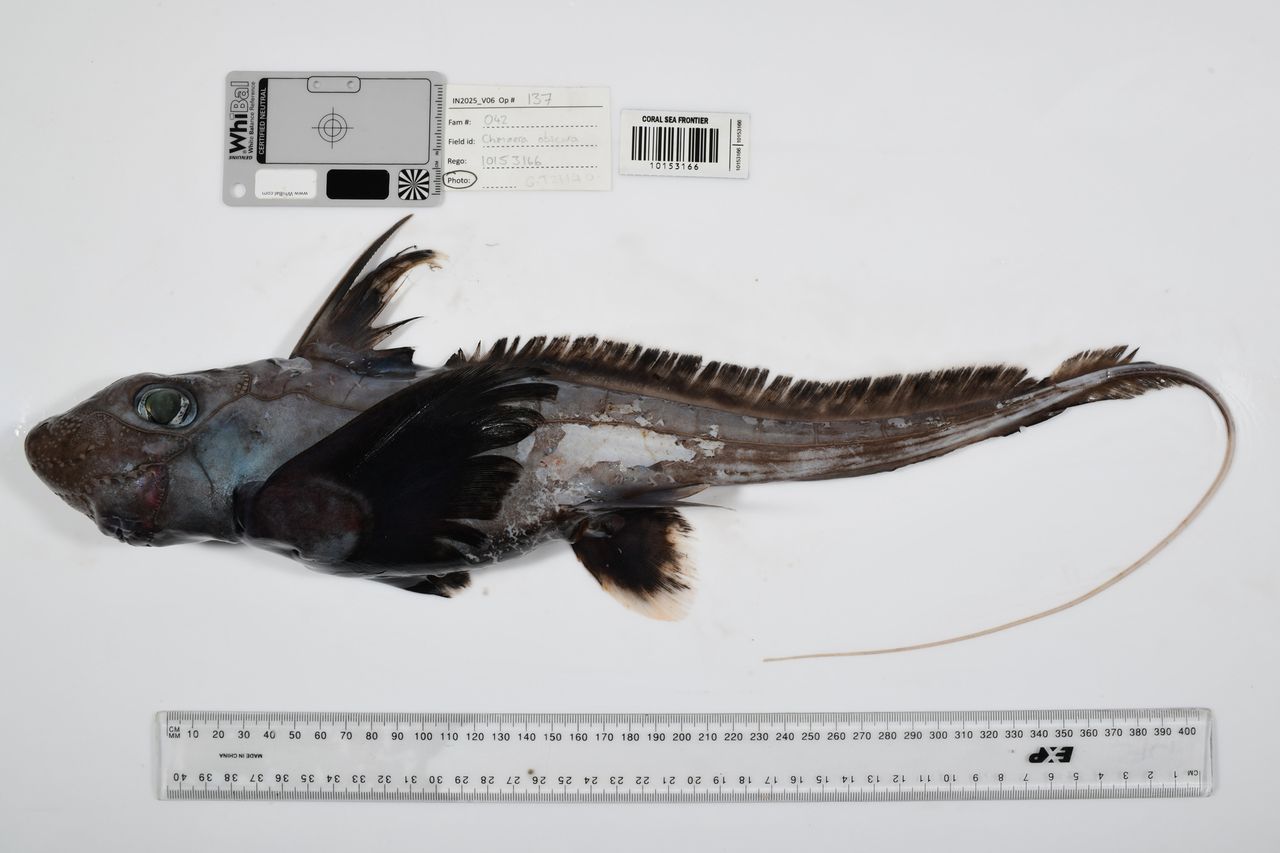
The “ghost shark,” which is also named chimaera, was discovered in the Coral Sea Marine Park, off the coast of Queensland, Australia, at a depth of between 2,631 feet and 2,749 feet.
Credit: The Nippon Foundation-Nekton Ocean Census/CSIRO
The release stated that chimaeras are among “the most mysterious inhabitants of the deep ocean.”
They are distant relatives of sharks and rays, diverging from these species nearly 400 million years ago — pre-dating dinosaurs.
The release stated that today, a third of sharks, rays and chimaeras are vulnerable to extinction.
Dr. Michelle Taylor, Head of Science at Ocean Census, said, “With many species at risk of disappearing before they are even documented, we are in a race against time to understand and protect ocean life.”
She added, “For too long, thousands of species have remained in a scientific ‘limbo' because the pace of discovery couldn't keep up. We are now breaking that bottleneck.”
The symbiotic worm was found on a volcanic seamount in the Shichiyo Seamount Chain, Japan, at a depth of 2,595 feet.
It makes its home inside what is referred to as a “glass castle”, which is described in the release as “the intricate chambers of a glass sponge, a creature with a skeleton made of crystalline silica.”
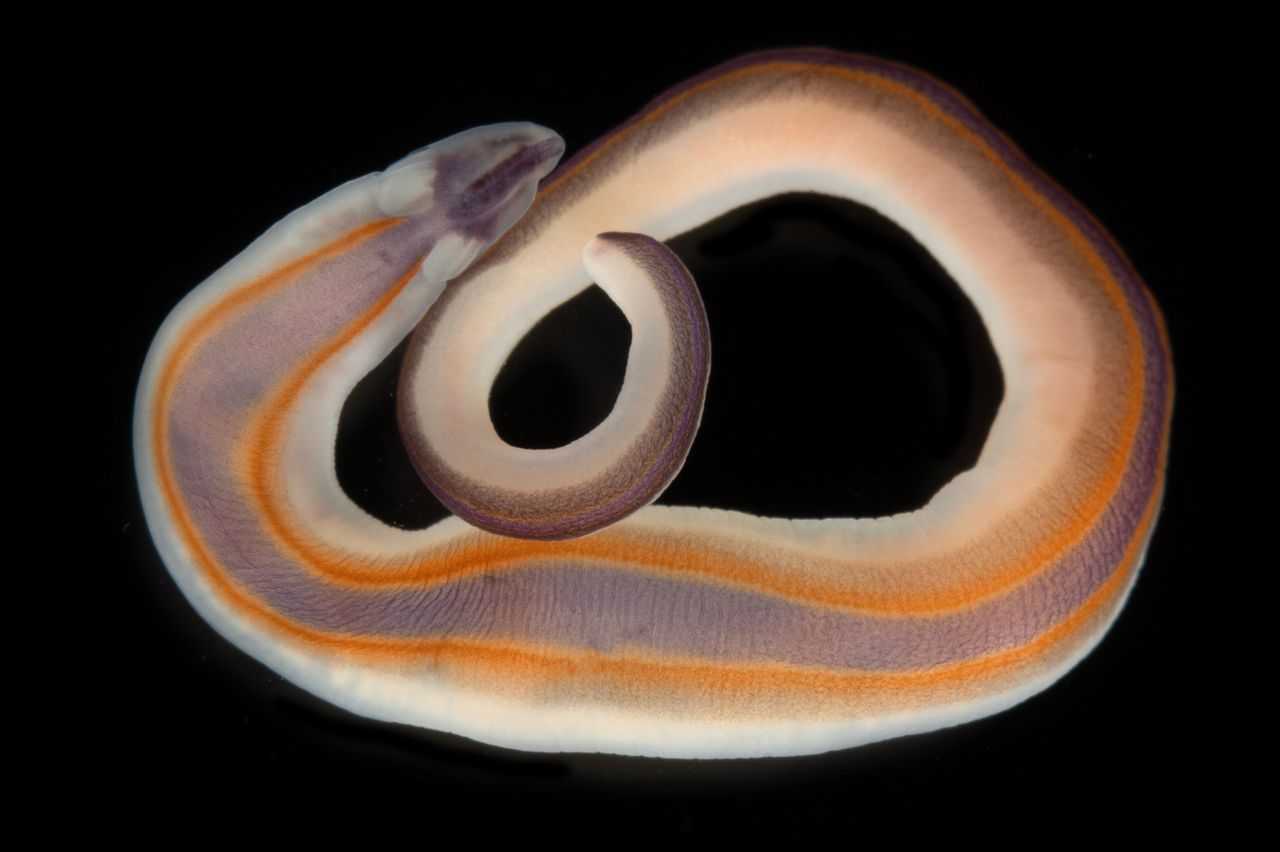
A species of ribbon worm with a bold orange color was discovered in Timor-Leste, an island near Australia. They are less than 3 cm long.
Credit: The Nippon Foundation-Nekton Ocean Census/Gustav Paulay
Never miss a story — sign up for PEOPLE's free daily newsletter to stay up-to-date on the best of what PEOPLE has to offer, from celebrity news to compelling human interest stories.
“The striking pigmentation of this ribbon worm may serve as a visual warning to predators; a signal of the potent chemical defences common to the phylum Nemertea,” the release said.
But it appears their unique toxins may also be helpful to humans, as they are currently being investigated for potential treatments for Alzheimer's disease and schizophrenia.
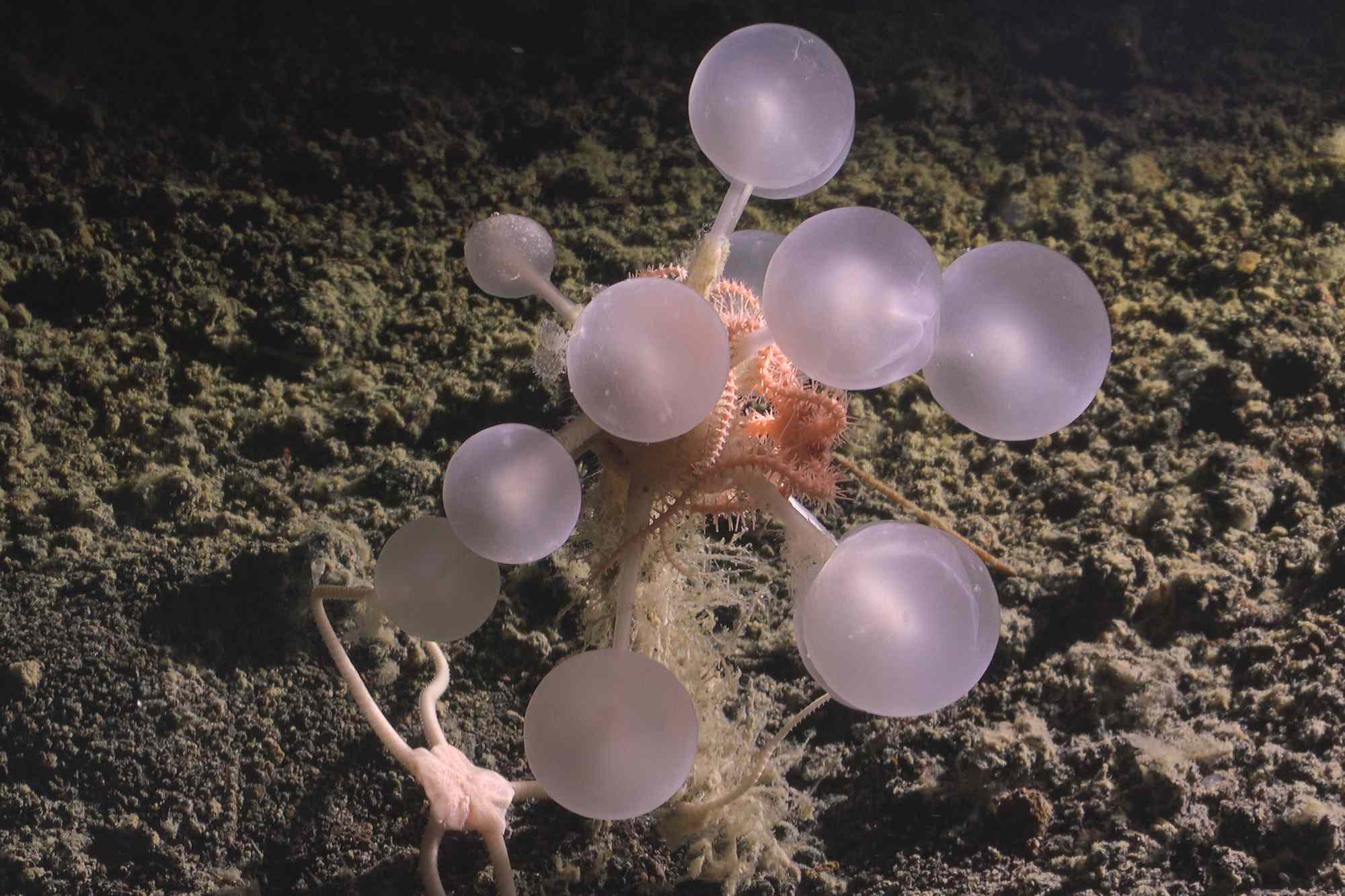
In the South Sandwich Islands, located in the Atlantic Ocean, researchers found a carnivorous “death ball” sponge at depths of nearly 12,000 feet, according to CNN.
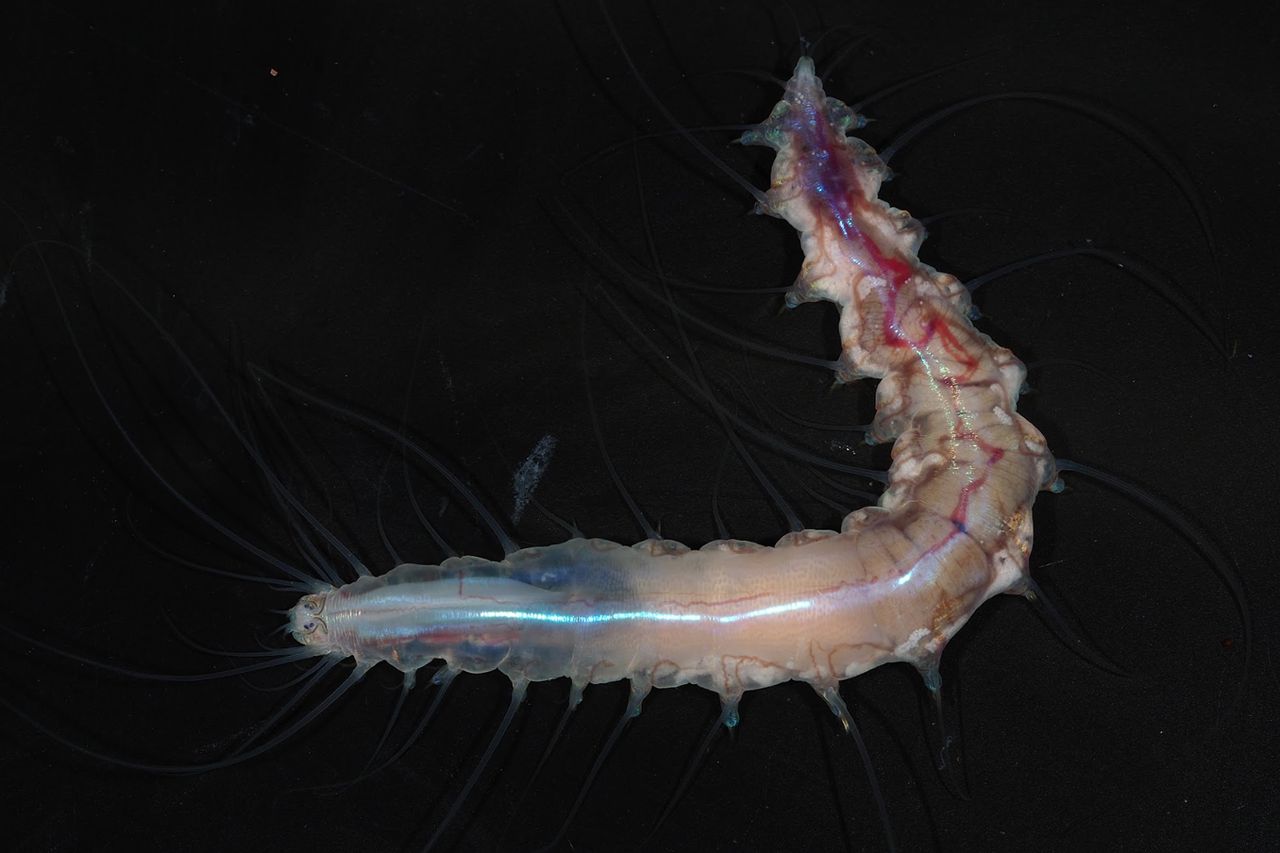
Credit: The Nippon Foundation-Nekton Ocean Census/JAMSTEC
The “death ball” is covered in microscopic velcro-like hooks that capture crustaceans floating past, before enveloping and ingesting them.
Ocean Census co-founder Nekton, has a goal to discover 100,000 new marine species. The press release cited a study which found that up to 90% of ocean species are still undiscovered.
Read the full article here