






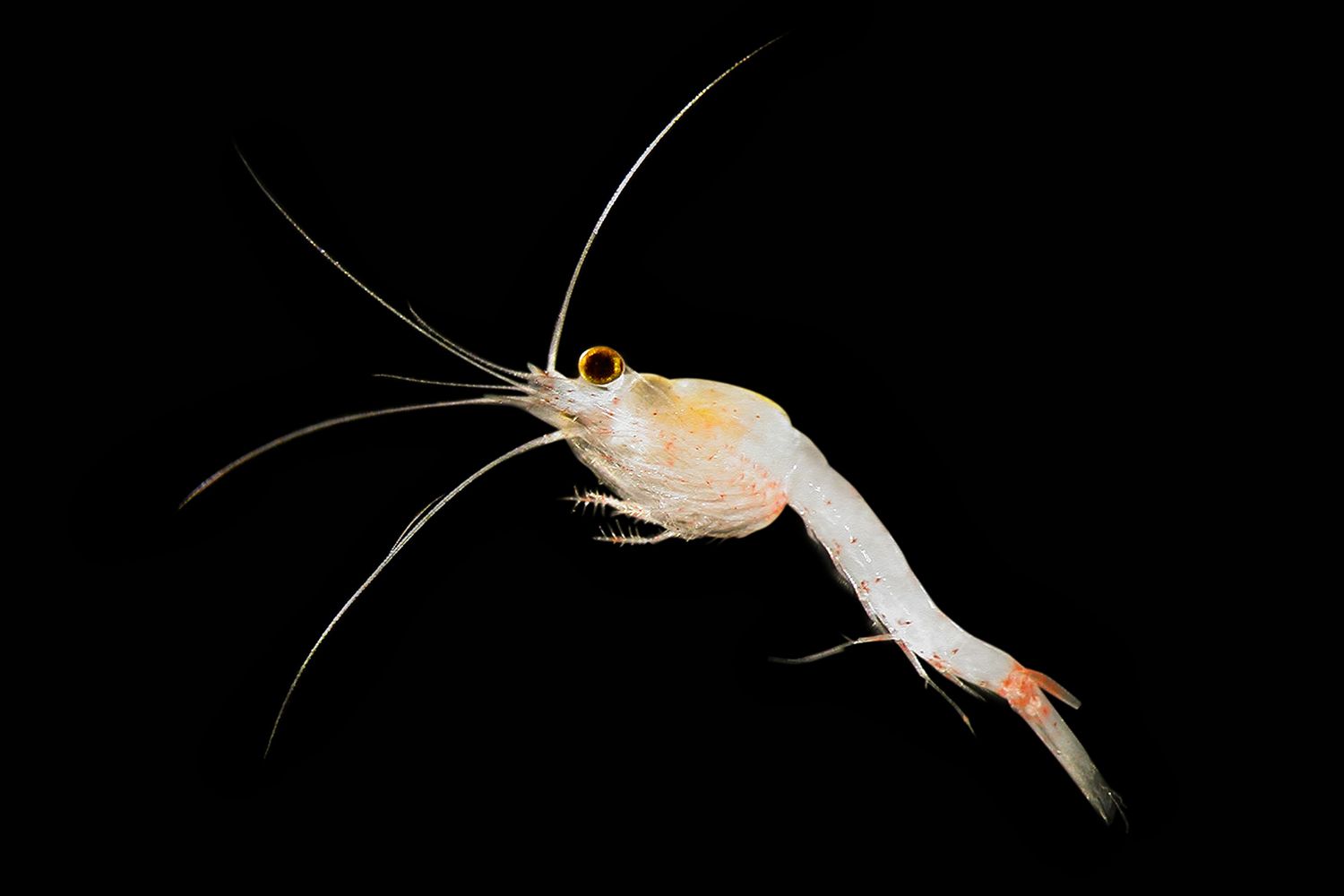
Experts warn that the shrimp could disrupt ecosystems by altering food webs. However, officials have no immediate plan to slow the spread of the invasive species.
Credit: Jean Marc BLACHE/Gamma-Rapho via Getty
NEED TO KNOW
- Researchers confirmed a self-sustaining population of bloody red shrimp in Lake Superior after sampling 81 specimens in summer 2025
- The invasive species likely arrived through ballast water from transoceanic cargo ships and was first detected in the Great Lakes in 2006
- Experts warn the shrimp could disrupt ecosystems by altering food webs and reducing zooplankton diversity, as seen in Europe
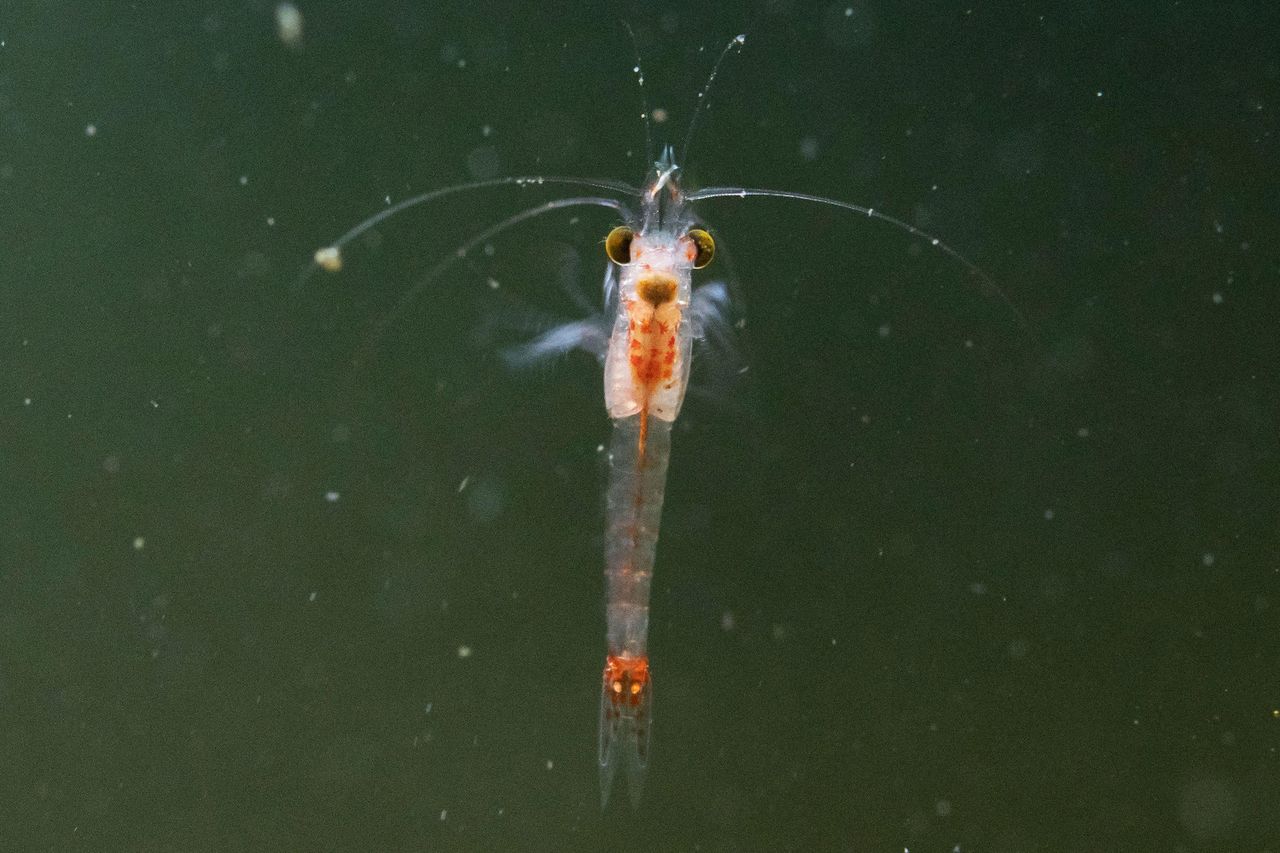
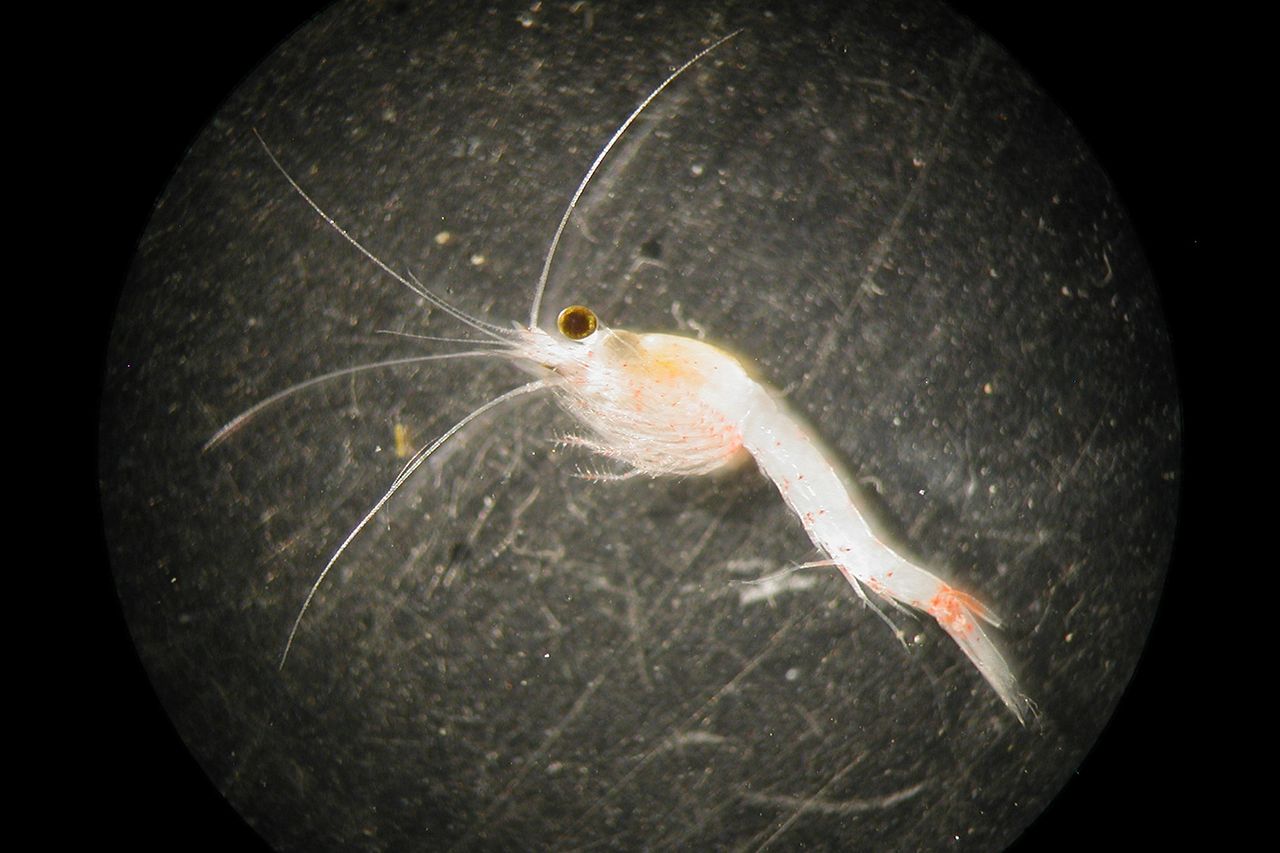
Scientists have confirmed that an invasive crustacean known as the bloody red shrimp has established a self-sustaining population in Lake Superior. The discovery completes the creature's spread across all five Great Lakes.
The finding, published in the Journal of Great Lakes Research and first reported by The Daily Mining Gazette, is based on samples collected in 2025 in Duluth-Superior Harbor on the coasts of Wisconsin and Minnesota. Using traps and nets, researchers collected dozens of adult and juvenile bloody red shrimp, including pregnant females, at Wisconsin Point and the Montreal Pier. In total, 81 individuals were captured across the two sites, including juveniles, adult males, and pregnant adult females, which indicated a self-sustaining population.
Credit: jack perks / Alamy
"Lake Superior now becomes the fifth and final Great Lake in which it is considered established," the study concluded, per the outlet. "The delayed establishment in Lake Superior is notable and may reflect barriers such as colder temperatures and geographic isolation."
Lead author Donn Branstrator, a biology professor at the University of Minnesota Duluth, said the shrimp likely arrived via the "ballast water" that's held in the ballast tanks and cargo holds and discharged by transoceanic cargo ships; however, Branstrator said that certainty is impossible.
"Through shipping traffic, it has multiple opportunities on a weekly basis when the shipping season is active to hitch a ride in ballast water, and that's likely what it did," he told CBC News.
The species, native to the Caspian and Black Sea regions, was first detected in the Great Lakes in 2006 near Muskegon, Michigan. A single specimen turned up in Duluth-Superior Harbor in 2017, but the population went unconfirmed until last year's sampling effort. Branstrator said the team is now collecting specimens biweekly at Montreal Pier and monitoring several other locations in the harbor.
Credit: Jean Marc BLACHE/Gamma-Rapho via Getty
What the shrimp's arrival means for Lake Superior's ecosystem remains an open question. The species is "broadly omnivorous, and the invasion's ecological consequences are uncertain," the study cautioned, adding that "based on its history of invasion across Europe, significant ecological impacts are possible."
Never miss a story — sign up for PEOPLE’s free daily newsletter to stay up-to-date on the best of what PEOPLE has to offer, from celebrity news to compelling human interest stories.
Branstrator said it is "hard to predict with any detail. We don't yet have firm evidence of adverse consequences in the Great Lakes, but it presents a potential new pathway for nutrients and contaminants to move among species in the nearshore food webs."
Research conducted in European reservoirs has linked the shrimp's presence to significant reductions in zooplankton diversity. The Minnesota Department of Natural Resources has also noted that there is currently no known effective method for controlling the species in natural water bodies.
Read the full article here