






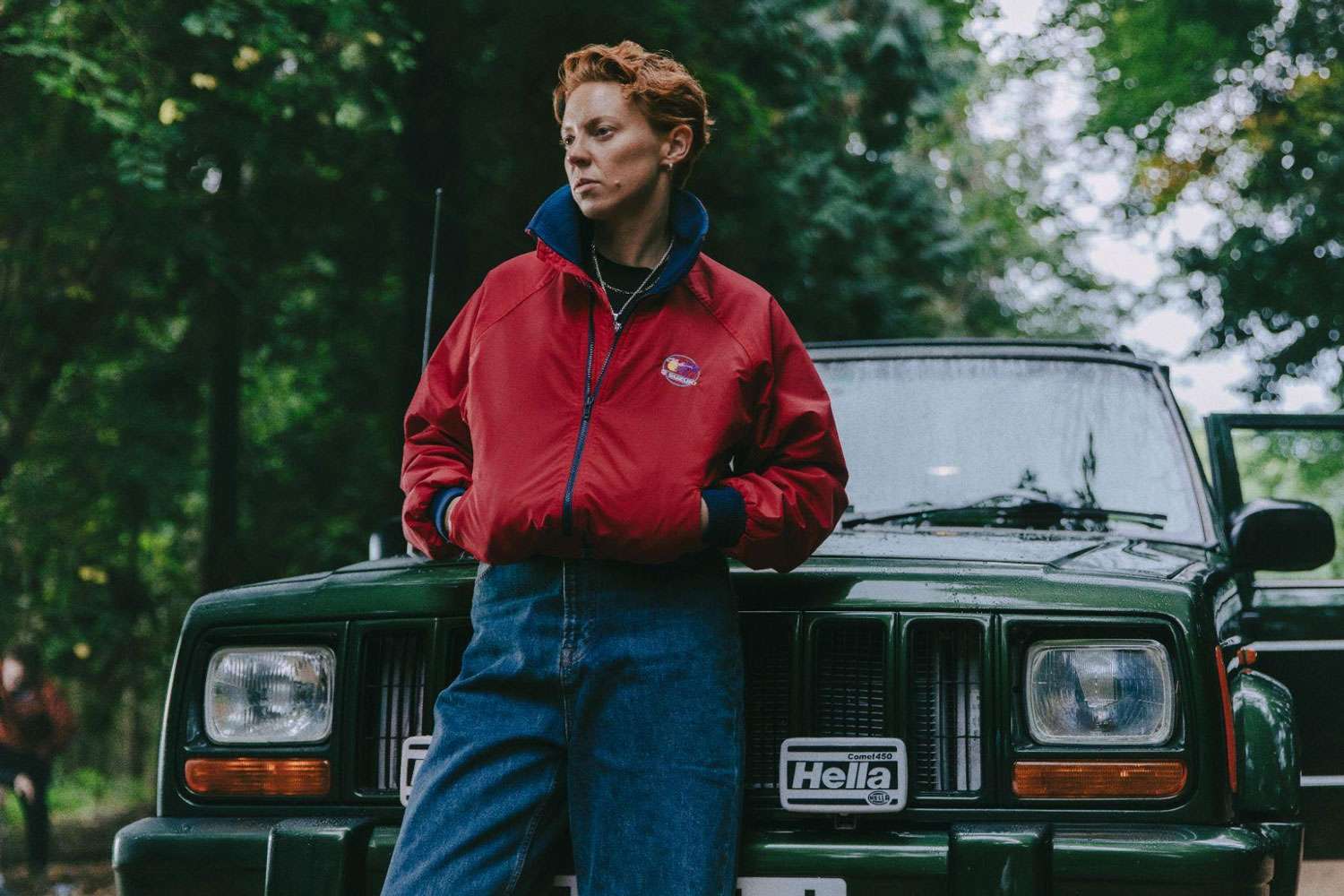
"It's going to be great to be back on the road," La Roux tells PEOPLE as she prepares to release a new album, 'Old Flames,' this fall
Credit: NABIL
NEED TO KNOW
- La Roux will release her fourth album Old Flames on Nov. 6 after opening for Hilary Duff’s Lucky Me Tour
- The album reflects on a 17-year relationship, overcoming addiction, and themes of self-love and personal growth
- La Roux tells PEOPLE she’s excited to reintroduce herself to fans after a decade-long touring hiatus and evolving as an artist
La Roux is ready to reintroduce herself.
The Grammy-winning English synth-pop artist, whose real name is Elly Jackson, is preparing to release her deeply personal fourth album, Old Flames, on Friday, Nov. 6 — one week after she’ll finish opening for Hilary Duff’s Lucky Me Tour around the world.
“I've been readying myself and working myself to this point for a long time,” La Roux, 38, tells PEOPLE. “I take a long time to make records. Sometimes you feel like, is this ever going to happen? But it's finally here, and it feels really nice. It's going to be great to be back on the road, performing songs and just showing people what I've been doing.”

Credit: NABIL
La Roux first rose to fame with hits like “Bulletproof” and “In for the Kill” at the end of the 2000s as a duo featuring Jackson and Ben Langmaid, who exited the group in 2012. Old Flames will mark La Roux’s first album since 2020’s Supervision.
She composed, wrote, produced and arranged the upcoming project almost entirely on her own, and while that’s almost always been the case, she feels it’s been “misconstrued a lot over the years.”
“I make those records by myself in my home studio until they're 90% done,” La Roux tells PEOPLE. “I think it’s important that people know that for me, especially as a female, it's really hard to get recognition as a producer, arranger and composer.”
Before embarking on the Lucky Me Tour earlier this month, La Roux sat down with PEOPLE to discuss how a breakup and overcoming addiction inspired Old Flames, her relationship to Duff’s music and how her feelings toward “Bulletproof” have changed over the years.
PEOPLE: Old Flames reckons with the end of a 17-year relationship and how it unfolded. What was it like for you to look inward and analyze that situation?
LA ROUX: It's complex, because some of the record was made while we were still together and then it was finished not together. It's a very personal situation. I don't really want to bring my partner into it too much. I don't think it's really fair on them, but it was a very, very, very important part of my life. It was all of my formative years, and so it was a very, very hard thing to leave behind. To not express that would've been very difficult as an artist. But it's tough because you listen to some of the tracks, and some of them had hope in them when I was still with that person, and then that hope slowly eroded.
There's a lot of themes on the record about love, not just about that relationship. There's a lot of themes about how to come to terms with being a fantasist, being isolated, an addict and all sorts of other things, but they're all themes on either self-love or relationship love in many different forms. So there's been a lot to process there.
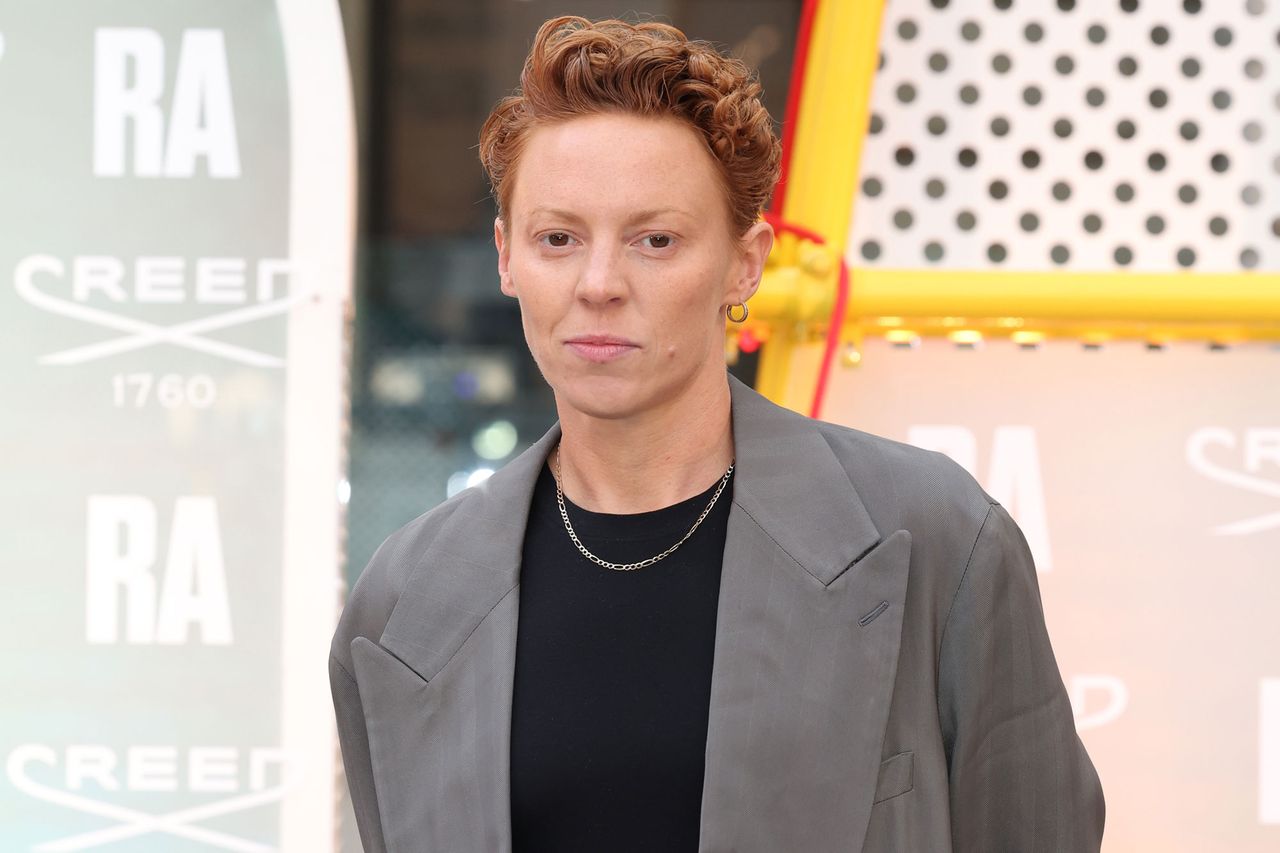
Credit: Darren Gerrish/WireImage for The Royal Academy of Arts
PEOPLE: How did overcoming addiction play a role in this album? When did you realize you needed a change, and how did you get through that?
LA ROUX: I think I've known for a very long time, it's not a new thing. I think being a singer and smoking a lot, whether it's weed, cigarettes or anything else is an unwise move, but it's something that musicians fall into the trap of a lot. Weed and music in some respects go hand in hand. It's very prevalent in a lot of studio environments. It's a hard one to kick because it's seen as such a casual drug. I think a cocaine addiction or something is an easier thing to recognize you have a problem with, or alcohol.
But weed, in America it's legal, and I spend a lot of time out here. It's just so normalized. It's been difficult for me to see it as a problem for such a long time. I think it just took me time to get to that place where I was like, “This is really, really, really not serving me.” That's what “Lose Myself,” which will be out this summer, is about, that process of trying to shout at yourself about what you need to do for yourself, and you just not listening and carrying on doing the things that you know really aren't serving you.
That's been a big one to kick, but I feel really proud of myself for doing it. I feel so much happier. Part of the reason I wanted to talk about it is because I'm neurodivergent, and I think so many people who are neurodivergent go to that drug in particular to soften the world around them. I think it does maybe help when you're 18, maybe in your early 20s. But as I got older, I realized it wasn't helping at all actually in terms of realistic perspective and dealing with the world around me.
PEOPLE: Do you feel any nerves about sharing such a personal album?
LA ROUX: No. I've always been quite hidden as an artist behind the character of La Roux, and I think there's a time 15, 20 years ago when that really worked, and mystery was still something that people appreciated. I think part of the reason for me being away for so long is just not knowing how to reframe that and seeing that the world has changed and that people actually need you to be way more engaged. I find that really difficult, and I've always preferred to hide behind something.
The level of accessibility it seems like people need to you can feel really overwhelming at times, and the level of open vulnerability that you need to have. If you grew up in my generation, the '90s, looking back on the '80s and the '70s and stuff, those artists were so private, you didn't really know anything about them, and that was also what was so cool about them.
In the new world that we live in, you need to be more engaged. And whilst keeping stuff close to your chest, that's important, I think you need to work out the ways in which you are going to engage with and relate to people. You have to choose those parameters for yourself.
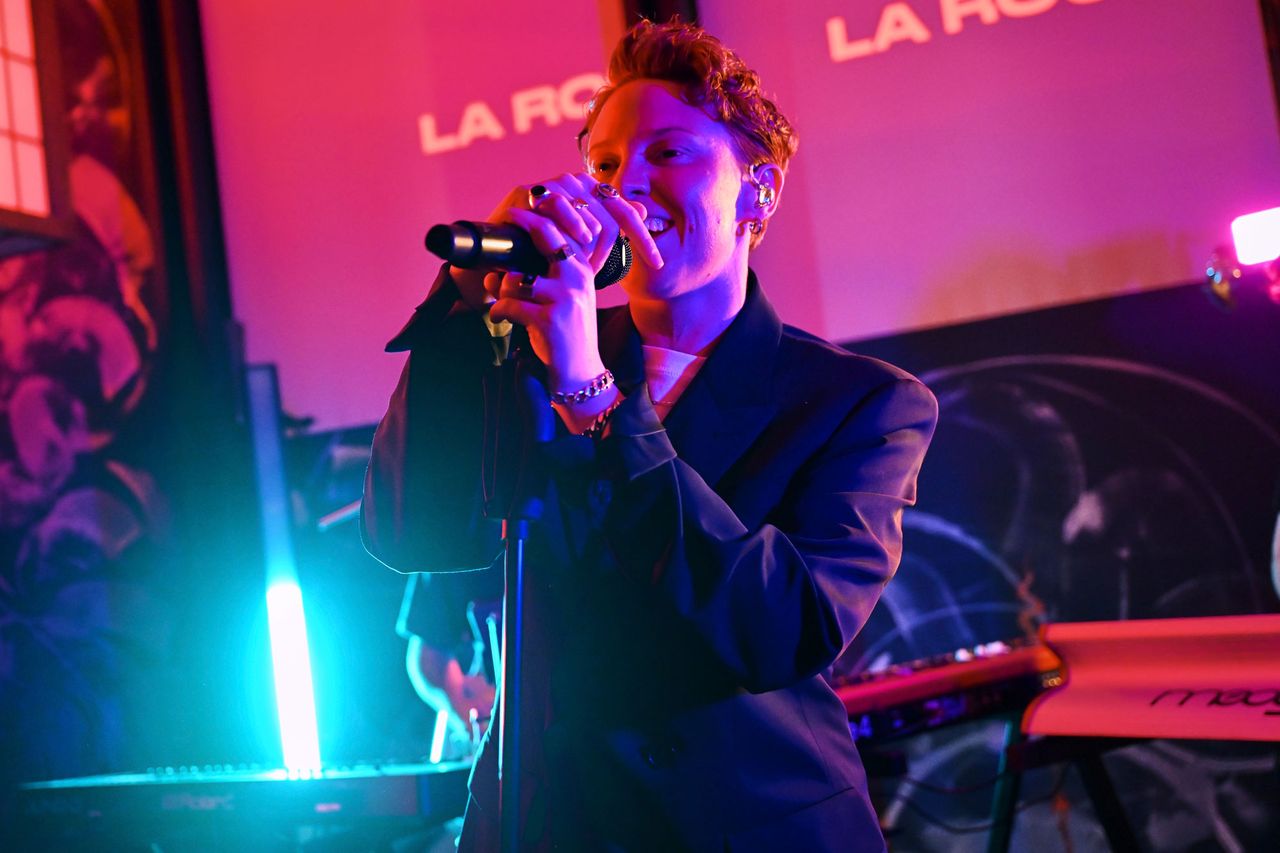
Credit: Jed Cullen/Dave Benett/Getty
PEOPLE: That makes sense coming from when you debuted. Fans maybe saw the “Bulletproof” video and were like, “Whoa, I love what she's doing,” but there wasn't the same avenue to learn way more about you like there is now with social media.
LA ROUX: No, not at all. The beginning of La Roux was a very harsh character. It wasn't who I was as a person in private. I've realized over the years that people took that to be who I really am, this very unapproachable, quite moody girl that's angry about everything all the time, which in some parts of my life was true, but I'm actually a pretty happy, easy person to be around and relate to. In a way, the character of La Roux is doing me a disservice, and I've got to take parts of it and leave parts behind.
PEOPLE: You’re about to start opening for Hilary Duff’s Lucky Me Tour. What are you looking forward to about getting back onto these big stages in North America?
LA ROUX: I feel really good about it. It's been so long since I've been on tour. I think it's been a decade. I've never performed on stages this big before, so I'm actually really excited to learn what it's going to be like. I've also never really done much support touring. This is a whole new world for me in a way, so I'm excited for the adventure. I think it's going to be a really nice way for me to do the songs on the new record, introduce people to new stuff and get back into playing live. I haven't met Hilary yet, but obviously I'm excited to meet her and her team and just get going and see what happens, really. It's going to be an interesting tour. She's such an advocate and an activist for gay rights and such an ally generally as well. It seems like a nice environment to be in.
View this post on Instagram
PEOPLE: Did you grow up a fan of Lizzie McGuire or Hilary’s music at all?
LA ROUX: When I was growing up, I was so busy listening to Depeche Mode and so stuck in the past. I didn't really f— much with a lot of stuff that was happening for my age group. I've always had an eye on the past. That's kind of what La Roux is. I always describe La Roux as things I miss from the past that I want to bring back into the future, but in my own way. I've never really been very good at being in my current sphere, and it was the same when I was a kid. Obviously I knew who she was, but no, I think my awareness of how much people love her and how big she is and all of that stuff has been something I've learned over time. I wasn't really aware of a lot when I was a kid apart from the past. I used to listen to Buddy Holly with my dad and Chuck Berry.
PEOPLE: So maybe now is a good time for you to get into her old music.
LA ROUX: Yeah, exactly. I'm going to be hearing it every night, so I'm sure I will.
PEOPLE: She also has a song called “Reach Out” that samples “Personal Jesus” by Depeche Mode.
LA ROUX: Really? I didn't know that. I'll check it out. Thanks for the heads-up.
PEOPLE: Having not toured in a while or done many support gigs, how do you approach performing for fans who may still know you best from “Bulletproof”?
LA ROUX: Just get on with it. You can't really expect everyone to know exactly what you're doing all the time. I've been away for a very long time. Some people won't know who the f— I am at all, and that's just part of doing a support tour. It's also a great opportunity to show people who you are and what you do. For some people it will feel like, “I've come to see both of you” And for other people, they'll be like, “I don't know who you are, and I'm not turning up for that.” I think every artist understands that when they do a support tour, but there's an amazing opportunity there to pull people in.
PEOPLE: What's your relationship to “Bulletproof” today, and how has that changed over the years as you've lived with it?
LA ROUX: I'm probably more grateful now than I used to be. I think so many artists have this where the song that does biggest on your record is often the one that you don't get the most. When I was younger, “Bulletproof” was weirdly the song on that album that I cared the least about. I had other tracks that I felt represented me more. “In For The Kill” was totally me through and through. “Colorless Color,” “Tigerlily,” “Quicksand,” those songs made sense to me stylistically. But the reason “Bulletproof” was so big was because it was so widely relatable. It actually didn't feel too personal. It felt like something that was just beyond me as an artist, beyond what I ever thought or tried to do. It transcended and became its own energy.
I've never been the kind of artist that would ever ditch the song or not put it last in the set because I know it's what people are waiting for. People bought tickets to your show. They like you how they like you, and you want to give people what they want at the end of the day. Of course, it can be frustrating sometimes when you're only known for one thing, but you're also super lucky to have that. It's why I can still do what I do today. It'd be difficult to not be super grateful for it, and it's always an amazing moment at the shows when you see that many people knowing every word, screaming it back to you.
Read the full article here