






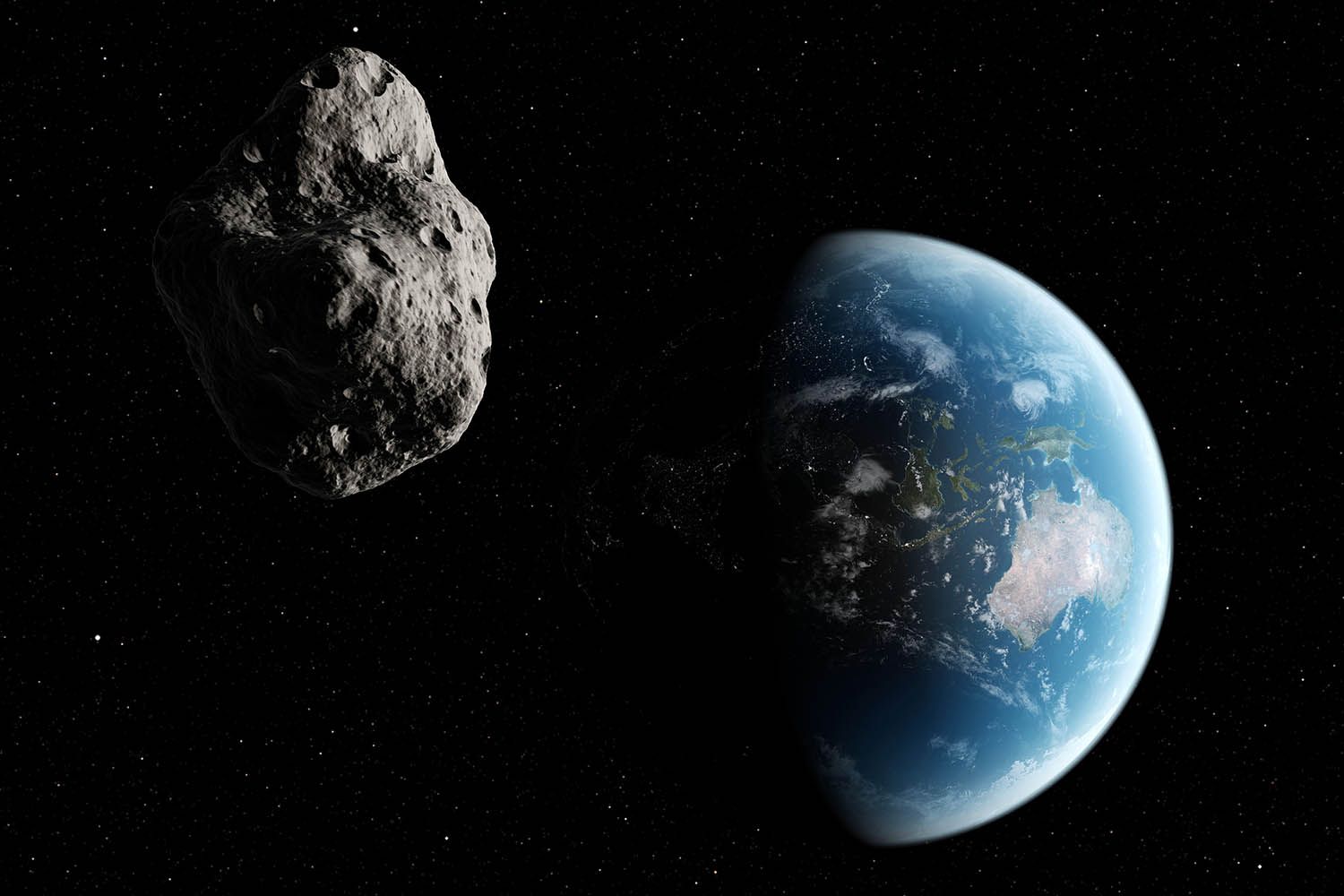
This occurrence will be the closest approach to Earth by an asteroid of this size that scientists have known about in advance
Credit: Getty
NEED TO KNOW
- An asteroid, eerily named Apophis, will pass closer to Earth than many satellites in geosynchronous orbit in 2029
- NASA said the asteroid’s close approach will alter its orbit and rotation due to Earth’s gravitational pull
- Apophis, roughly the size of the Eiffel Tower, is made of material from the early solar system’s formation
A “potentially hazardous” asteroid is scheduled to pass by Earth in 2029, marking the “closest approach” to the planet by one of its size.
The asteroid is called Apophis, a name that comes from the ancient Egyptian god of chaos, according to Britannica.
However, despite the alarming-sounding name, NASA's website noted it will “safely pass” about 20,000 miles from Earth on April 13, 2029.
NASA added that this distance is “closer than the distance of many satellites in geosynchronous orbit.”
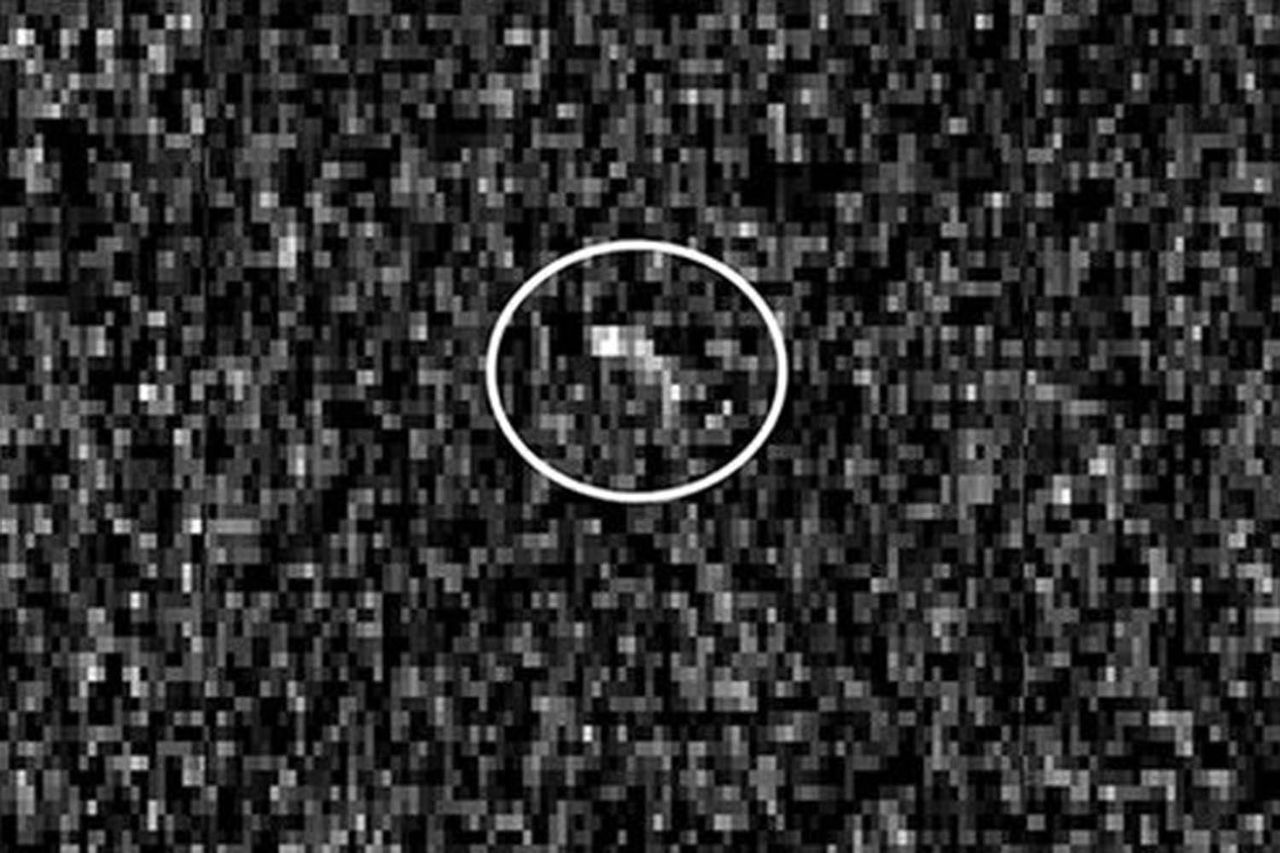
Credit: NASA/JPL-Caltech and NSF/AUI/GBO
Apophis was first discovered in 2004 by astronomers Roy Tucker, David Tholen and Fabrizio Bernardi at Kitt Peak National Observatory in Tucson, Ariz.
Tholen and the late Tucker "were already familiar with the name Apophis because of the evil and powerful character by that name in the television series Stargate SG-1," NASA stated. "He said it was 'icing on the cake' that the name they selected was also a character in a popular TV show. But Tholen said that, contrary to some reports, the asteroid was not named for the TV character."

Credit: Mario Tama/Getty
At the time, scientists projected it to "impact Earth" in "either 2029, 2036 or 2068."
In the more than 20 years since then, they have continued to study the asteroid and make decisions based on their observations.
"Even though Apophis does not pose any immediate risk to Earth, an asteroid of its size passing so close to our planet is a very rare event," they said.
The asteroid is made up of "leftover raw material that was never part of a planet or moon" and is a "remnant from the early formation of our solar system about 4.6 billion years ago."
Apophis' exact shape is unknown, but NASA scientists are hoping to capture photos of the asteroid when it finally passes near Earth in three years. They estimate that its size is about that of the Eiffel Tower in Paris.
NASA's OSIRIS-REx spacecraft has been sent to study Apophis, as well as the European Space Agency's Rapid Apophis Mission for Space Safety (Ramses) spacecraft.
"The most important thing happening in this event is that Apophis will be pulled, twisted, stretched and squeezed by the gravity of Earth as it goes by, in a way that happens only during a very close encounter," NASA wrote.
Never miss a story — sign up for PEOPLE's free daily newsletter to stay up-to-date on the best of what PEOPLE has to offer, from celebrity news to compelling human interest stories.
They continued, "The overall pull will change Apophis's orbit around the Sun, making the orbit slightly larger and giving it a longer orbital period. The twist will very probably change the way Apophis rotates, speeding up or slowing down its spin and changing its orientation."
Read the full article here