
The twin bears, now about 4 months old, came to the San Diego Humane Society in March
Credit: San Diego Humane Society
NEED TO KNOW
- A pair of bear cubs is making strides towards returning to the wild after they were orphaned months earlier
- The two cubs have been moved to an outdoor habitat at Ramona Wildlife Center, where they can explore and feed independently
- San Diego Humane Society staff have gone to great (and creative) lengths to keep the cubs eligible for release while caring for them
A pair of bear cubs is a step closer to returning to the wild.
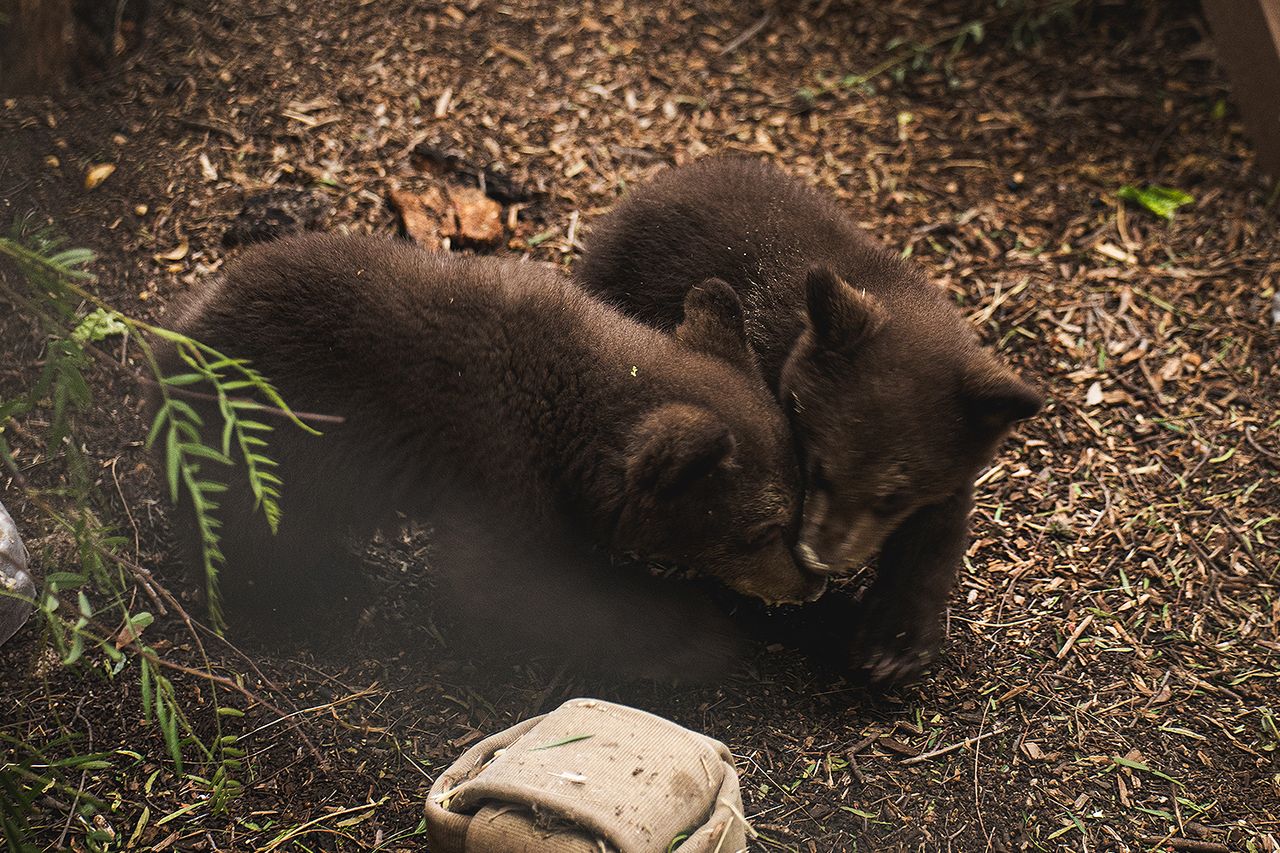
The two cubs were orphaned when their mother, who had been involved in two public safety incidents, was humanely euthanized by California authorities. Young and in need of supportive care, the bear cubs went to the San Diego Humane Society's Ramona Wildlife Center in March. After several weeks in the center's care, the two cubs are ready to take the next step in their recovery by living in the outdoors, according to SDHS.

Credit: San Diego Humane Society
"Moving outside is a big step," said Autumn Welch, wildlife operations manager at the organization. "The cubs are gaining confidence, exploring and learning the skills they'll need to survive on their own."
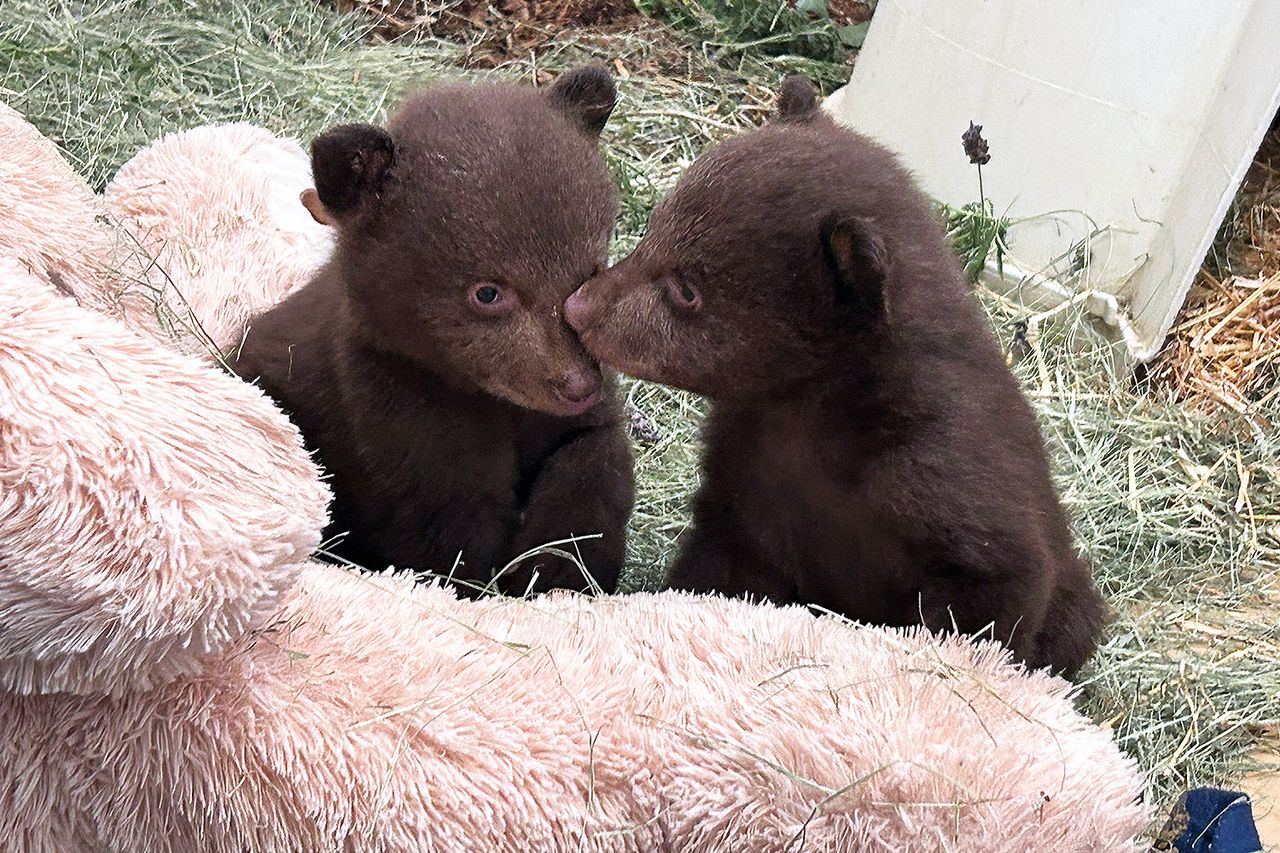
When the bears arrived at the San Diego Humane Society, they were roughly 2 to 3 months old. Even though the cubs were young and could not live on their own, SDHS has prioritized care to keep the baby animals from becoming dependent on humans so that the twins can be released back into the wild.
Credit: San Diego Humane Society
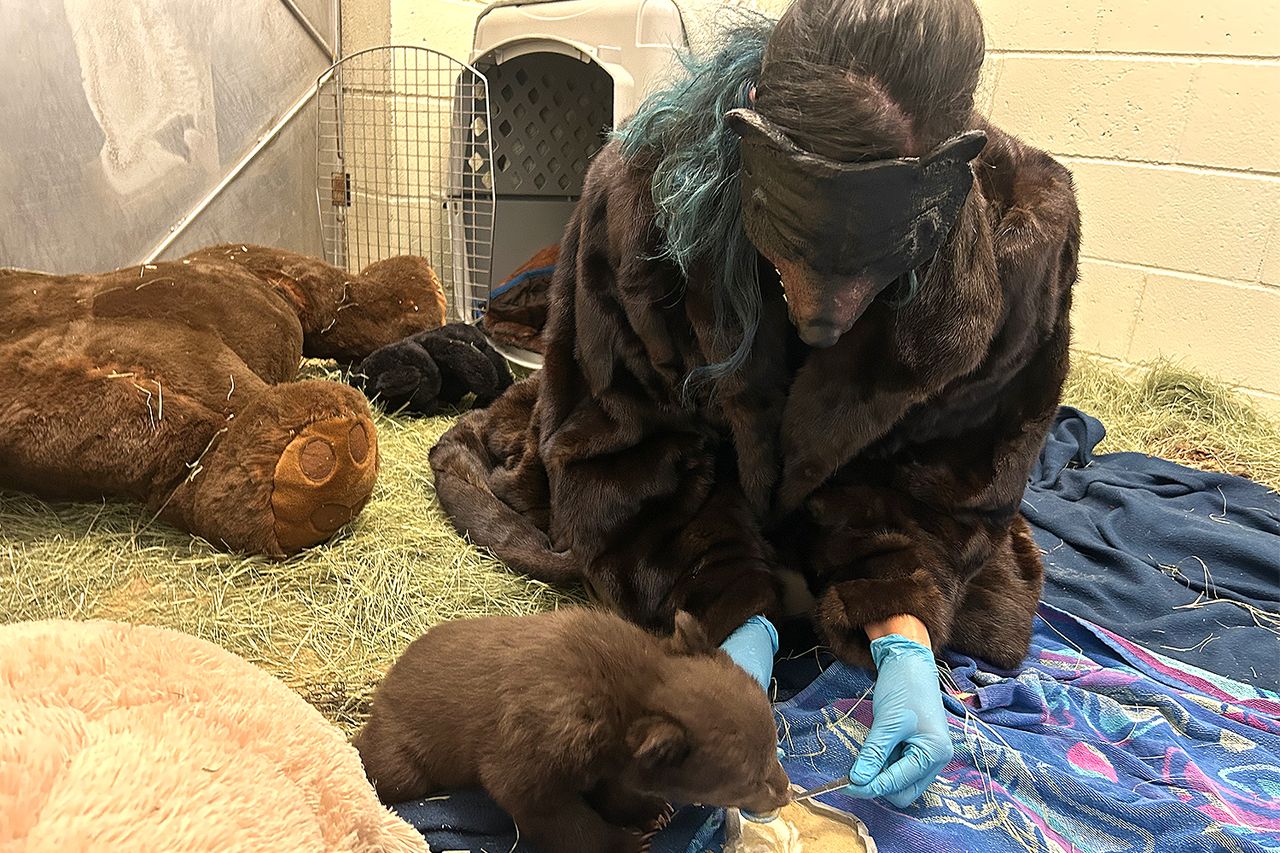
To do this, staff members limited contact, wore bear masks and furs during feeding time, and covered themselves in "natural scents" to mask their human smell. Rescue center workers even crawl on their hands and knees when they're in the bear cubs' habitat.
"We don't want them to associate with humans in any way if they are going to have a chance to survive in their natural habitat," Welch said in March.
Credit: San Diego Humane Society
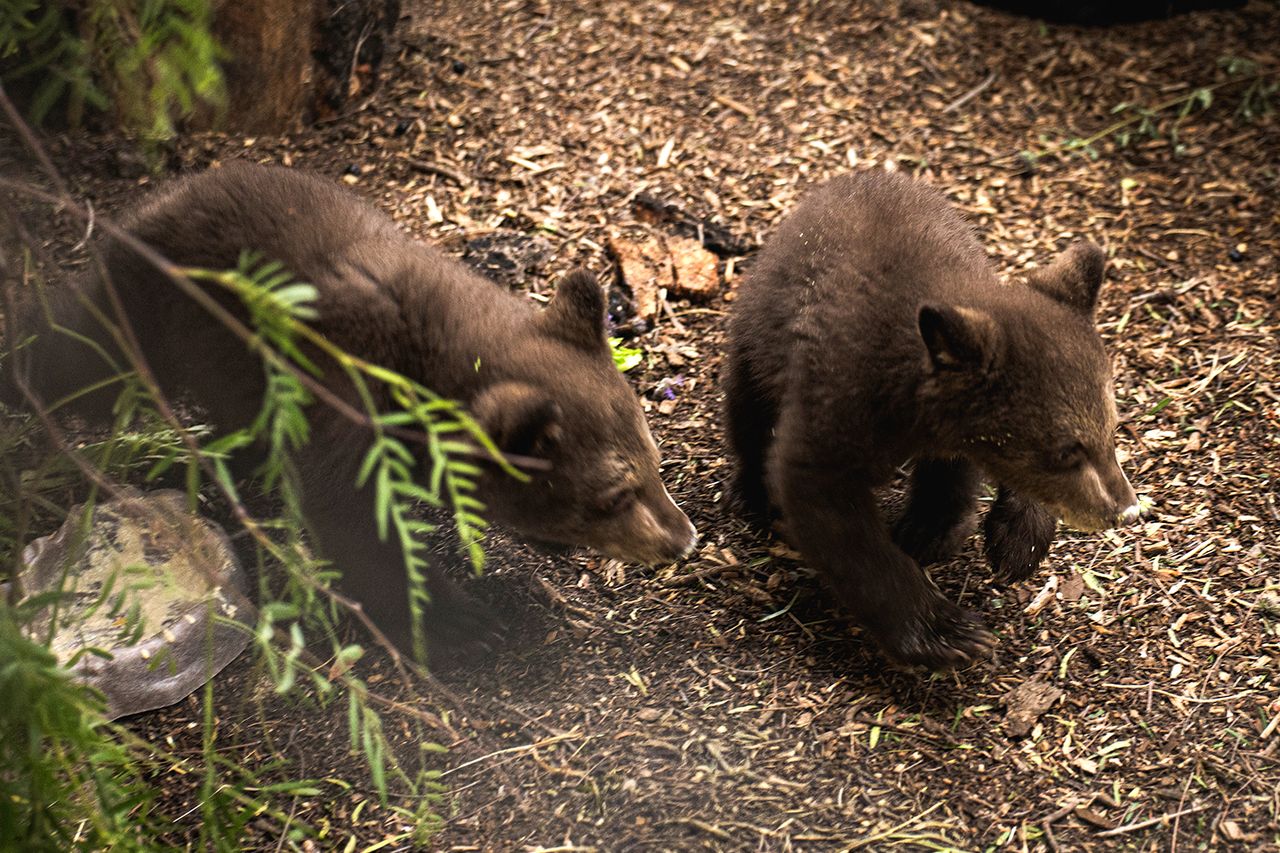
Now, at about 4 months old, the twin cubs are "becoming more independent" and learning some of the behaviors they'll need to survive on their own.
Their next phase of rehabilitation will take place in a special den area at the Ramona Wildlife Center. The outdoor space has been "decorated" with live-edge wood sourced locally, per SDHS. And once the bears have familiarized themselves with the area, they'll be introduced to a larger habitat, while still having access to the den.
Credit: San Diego Humane Society
Never miss a story — sign up for PEOPLE's free daily newsletter to stay up-to-date on the best of what PEOPLE has to offer, from celebrity news to compelling human interest stories.
The shift outdoors also reflects the cubs' new eating patterns. When they first arrived, they were spoon-fed formula, but as they've moved on to gruel and solid food — including fruit and leaves from local plants — they've started feeding themselves.
Since the bear cubs are growing fast and require more resources to be fully rehabilitated and returned to the wilderness, the San Diego Humane Society is appealing for public support to help fund their care.
Read the full article here