


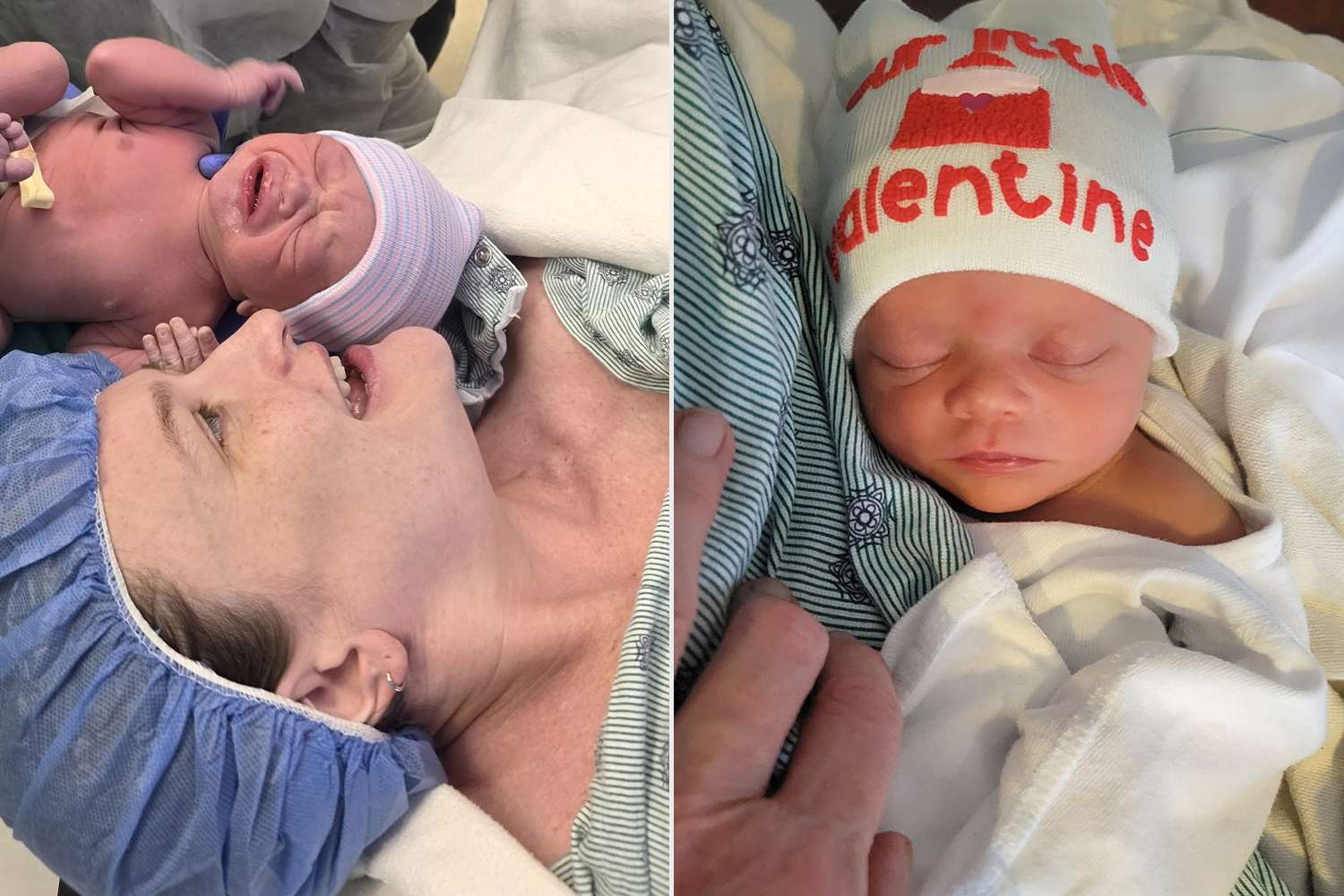
Forty-five minutes after bringing her second daughter into the world via cesarean section, Chelsea Cheveria's eyes rolled back into her head, and she became unresponsive
Credit: Courtesy of the Cheveria Family (2)
NEED TO KNOW
- Chelsea Cheveria suffered a cardiac arrest 45 minutes after delivering her second child via a scheduled cesarean section
- Doctors performed life-saving procedures, including CPR and a pulmonary thrombectomy, to remove blood clots in her lungs
- Chelsea is recovering at home with her family and hopes to try for a third child in the future
Chelsea Cheveria recalls feeling calm and relaxed before her scheduled cesarean section on Feb. 10. It would be her second child. “Everything was as planned out as it could get," she says.
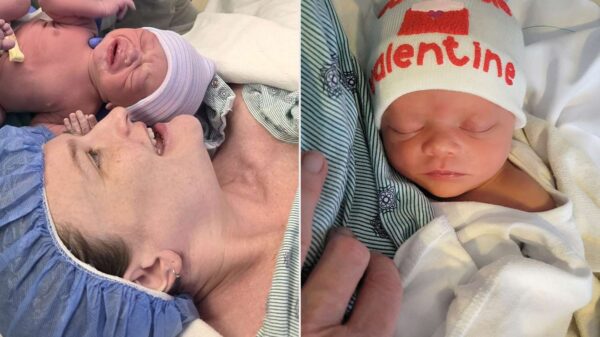
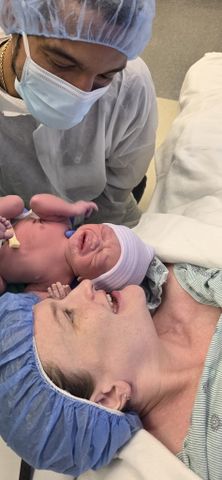
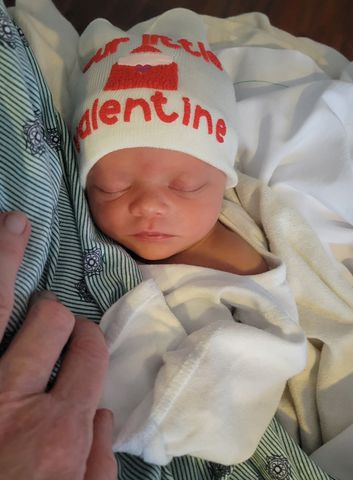
Her daughter Zairah Cheveria was born weighing 5 pounds, 2 ounces, at 2:32 p.m.
“My husband, Scott, said, 'You did it! You're awesome! She's beautiful.' Then he gave me a big kiss,” says Chelsea, a 37-year-old stay-at-home mom in Chicago.
Chelsea kissed her baby's cheek.
Credit: Courtesy of the Cheveria Family
Sign up for From the Editor, our free weekly newsletter from PEOPLE's Editor-in-Chief, Charlotte Triggs.
“She was a perfect little tiny nugget,” says Chelsea. “I said, ‘Hi baby, you're so cute!' ”
Scott Cheveria, a 39-year-old contractor, texted the family group chat saying that mom and baby were doing great.
But 45 minutes later, the routine surgery went awry. “My OB was closing me up,” Chelsea says. “My eyes rolled into the back of my head, and Scott said, 'Something's not right.' And then I was non-responsive.” The last thing she remembers is everything going black.
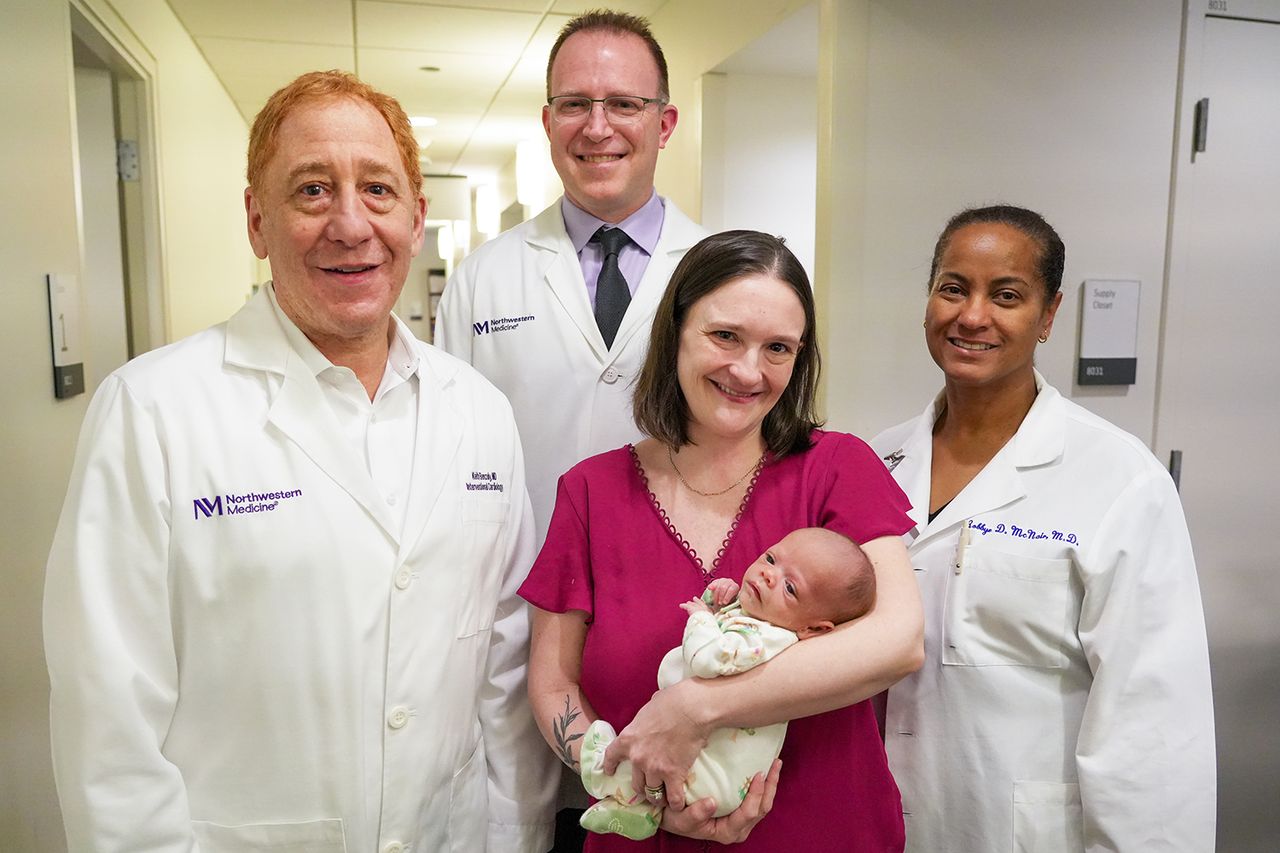
“All of a sudden, without any warning, she experienced a cardiac arrest,” says Northwestern Medicine interventional cardiologist Dr. Keith Benzuly, 64, who was not in the delivery room — but was immediately called to help.
Credit: Courtesy of the Cheveria Family
Scott was asked to leave the room. “A nurse told him to pray,” says Chelsea's mother, actress Jane McCreedy, 65, who was on the television show Chicago Med. Scott texted the family the sudden and shocking news: Chelsea had a 50-50 chance of survival. He asked everyone for their prayers.
Chelsea was later told that OB-GYN Dr. Robbye McNair was holding her aorta “because they couldn't find a vein or anything to stop the bleeding and get a control over anything.”
Doctors performed four rounds of CPR, then rushed to figure out what was causing the mother to go into cardiac arrest. They put her on a ventilator and prepped her for an ECMO machine (a heart-lung machine) in case she needed to be on life support.
“They just wanted to keep me alive,” Chelsea says.
Benzuly recalls the severity of the emergency. “If they hadn't responded so swiftly to resuscitate her,” he says, “She might have died.”
Chelsea was diagnosed with a pulmonary embolism; two large blood clots in her lungs were stopping the flow of blood to her heart.
“This is an uncommon thing — it's one in a thousand, or less,” Benzuly says.
Credit: Courtesy Northwestern Medicine
Benzuly gave her blood thinners to break up the blood clots, and performed a pulmonary thrombectomy to remove the life-threatening blood clots from her lungs.
“I knew the best chance for Chelsea to survive and for her baby to get her mother back was for me to get through that procedure and remove the clots,” he says.
It was successful.
The next morning, Chelsea opened her eyes and learned she was in the ICU.
“I was so scared,” she recalls. Immediately, she thought of her baby. Her husband was in the chair beside her and told her the baby was healthy and in the hospital's nursery.
“I had a tube in my mouth and I couldn't talk, I was breathing through a vent and there were beeps all over the place. I was very freaked out. Scott was sitting in the chair and he said, ‘Oh my God, you're here. Don't ever leave me again,' ” she recalls. “He was giving me lots of kisses.”
Although she had several broken ribs and a broken sternum from the CPR, holding her newborn, she says, “was magic.”
“I told my girlfriends it was the best pain reliever,” Chelsea says. “Touching her and have her skin-to-skin was the best medicine that I could have asked for. I knew that was what we both needed in that moment. I just kept asking to hold her. When I held her, my body still hurt, but it felt better.”
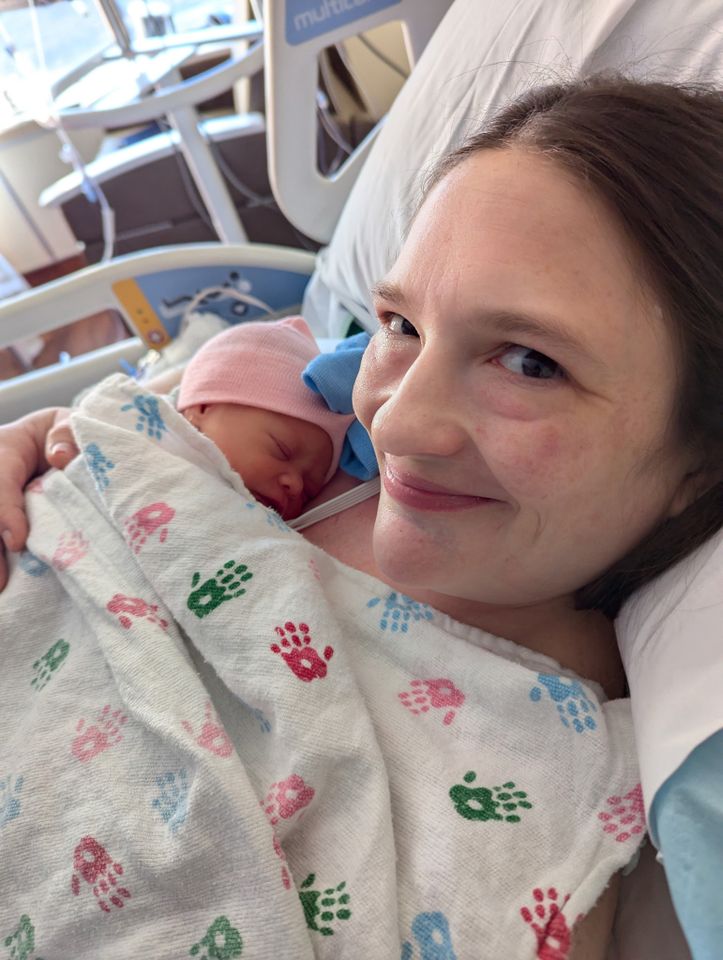
Credit: Courtesy of the Cheveria Family
Days later, her cardiologist got emotional seeing a picture of Chelsea sitting up in bed, smiling and holding her newborn.
“I was brought to tears,” he says. “All the years of training, the long hours, the late nights, it's all worth it because that helped make that picture possible.”
On Thursday, Feb. 12, Chelsea's oldest, her 4-year-old daughter Annayiah, visited the hospital to meet her little sister.
“She's just like, ‘I love her,'” Chelsea recalls.
Now home with both girls, the family says they are still healing from the traumatic birth. Chelsea says she's still recovering. “My girlfriends have to remind me that I almost died and that I need to give myself grace,” Chelsea says. “I'm having a hard time embracing that part of it."
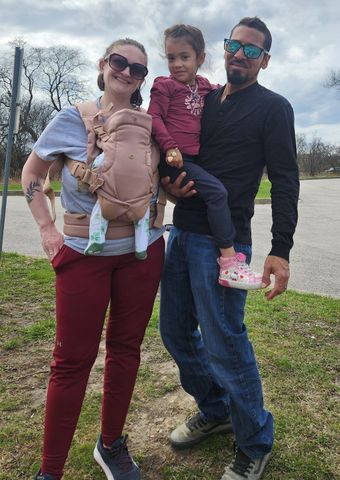
Credit: Courtesy of the Cheveria Family
But one thing she has no trouble diving back into is motherhood, she says.
“I love being these girls' person and best friend and safe space,” Chelsea says.
Zairah now weighs 7 pounds, 10 ounces. On Mother's Day they will celebrate her three-month birthday.
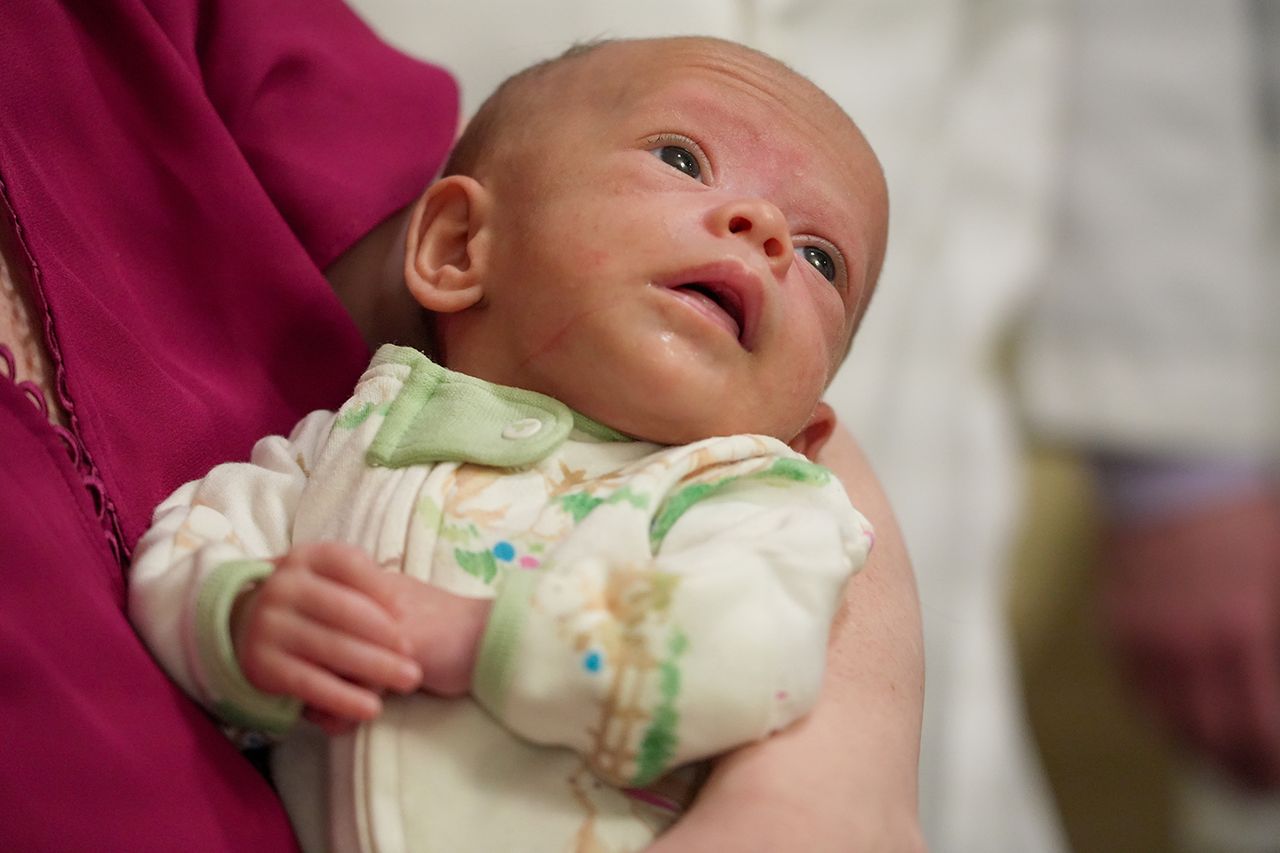
Credit: Courtesy Northwestern Medicine
“We're so incredibly grateful,” says Chelsea's mother Jane. “It reminds you that childbirth is dangerous. We think it's just so routine in this country, and for most of us, it is. But it can be very, very dangerous.”
Still, Chelsea says she is eager to get pregnant again if doctors say it can be done safely. "I trust my team. No one can guarantee it; I understand that. But they said that if controlled, it's doable. Now that we know that I have these underlying issues, if there are things that can be done to have a healthy pregnancy and delivery, I would love to try again.”
She has her heart set on a boy. “I have three embryos left which I worked very hard to get,” she says. “I want to at least try for a third.”
Read the full article here