
The homeowners filed suit against L.A. and mayor Karen Bass over an alleged "unconstitutional taking" of their property in January
Credit: Frank Povolny/Twentieth Century Fox/Sunset Boulevard/Corbis/Getty; Mario Tama/Getty
NEED TO KNOW
- The couple attempting to demolish Marilyn Monroe’s former Los Angeles home were just dealt a major setback in court
- A federal judge dismissed the homeowners’ lawsuit claiming the city committed an “unconstitutional taking” of their private residential property
- The couple argued the historical designation caused increased tourism and security issues at the Brentwood residence
- The judge allowed the couple to refile their complaint, with a deadline set for May 26
The couple attempting to demolish Marilyn Monroe's one-time Los Angeles home where she died were dealt a major setback in federal court.
On Wednesday, May 6, a federal judge dismissed the lawsuit brought by Brinah Milstein and her husband Roy Bank alleging the City of Los Angeles and mayor Karen Bass committed an “unconstitutional taking” of their private residential property. The owners claim L.A. took their single-family Brentwood residence “without any public purpose or just compensation” through the use of the city's “Historic Cultural Monument” ordinance.
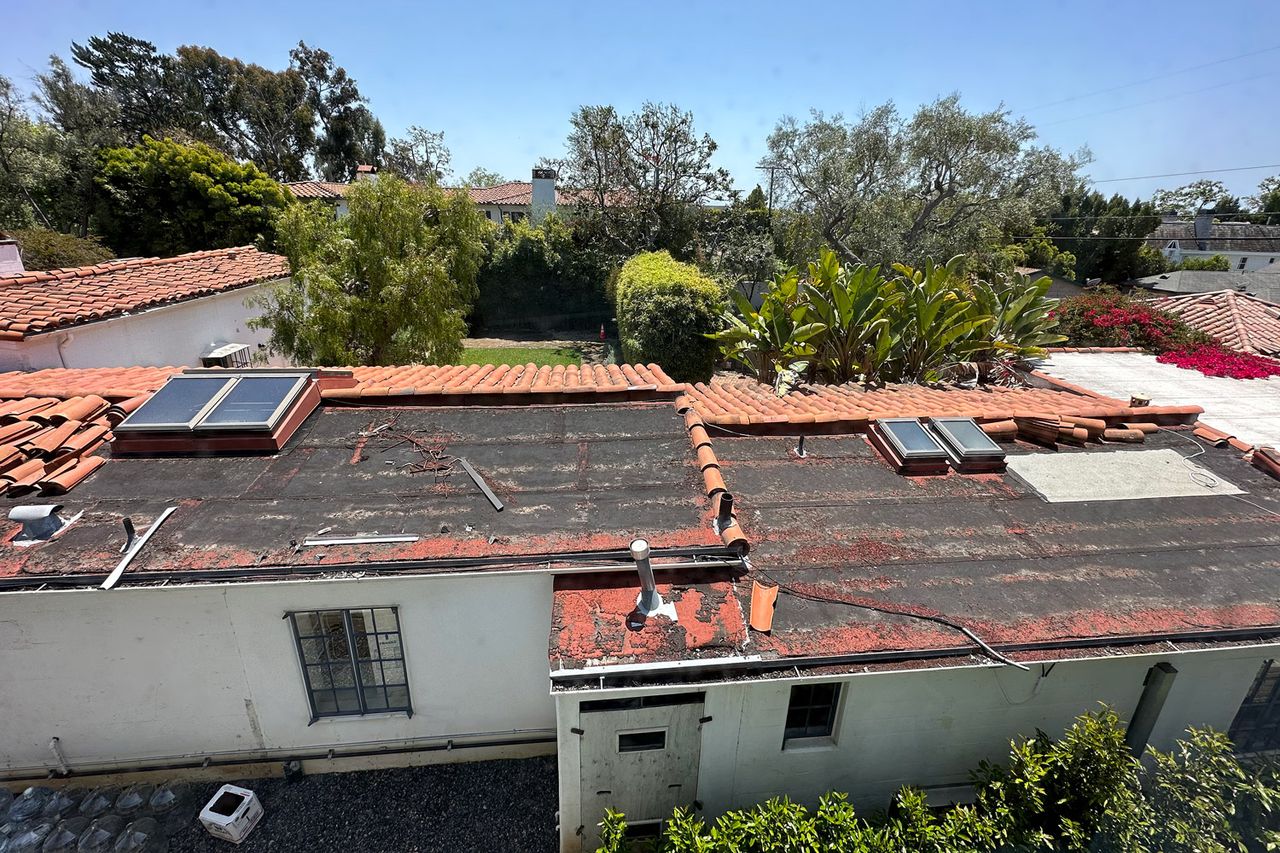
The couple claim, per the suit, they purchased the property in 2023 for $8.35 million “with the clear intent of demolishing the dilapidated structure on the property.” They claim to have spent an additional $30,000 to secure the proper demolition and grading permits — which the city initially approved.

Credit: Courtesy of Pacific Legal Foundation
However, on Sept. 8, 2023, the City Council approved a motion, allegedly “without any notice” to the owners, to consider the property for historical designation. The complaint says the motion was ultimately approved on June 26, 2024, against the wishes of the homeowners.
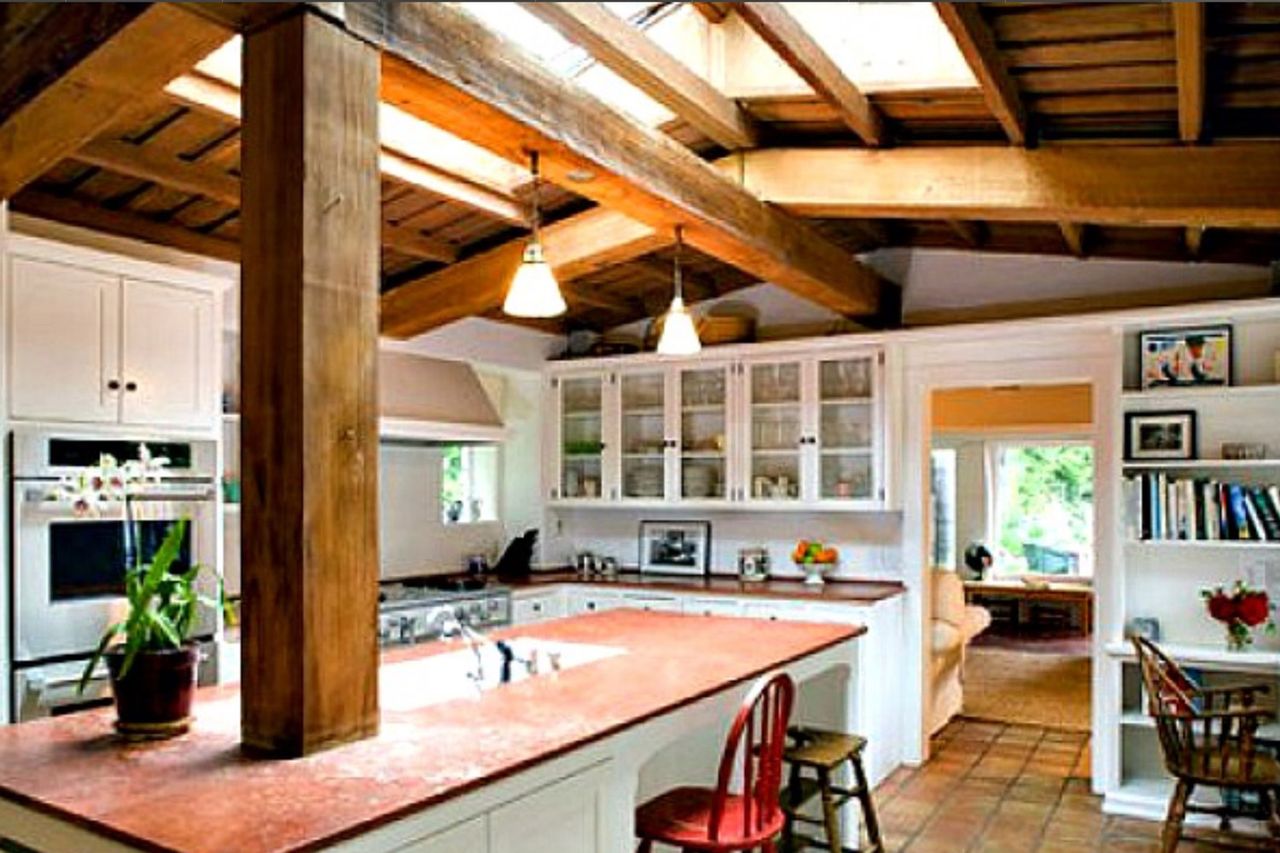
“Not a trace of Ms. Monroe's short tenure at the house remains at the property or in the house — and the house has been substantially altered by successive owners over more than sixty years," the complaint says.
The Some Like It Hot star resided in the 1929 Spanish Colonial-style house for only six months, Variety reports. She reportedly purchased the property in February 1962 shortly after parting ways with her husband, playwright Arthur Miller.
Credit: Courtesy of Pacific Legal Foundation
The actress was found dead at age 36 inside the residence in August 1962. A coroner's toxicology report officially listed her cause of death as acute barbiturate poisoning, as she reportedly ingested a lethal amount of Nembutal, which is often used to treat anxiety, and a sedative called chloral hydrate. Her death was ruled an overdose and "probable suicide."
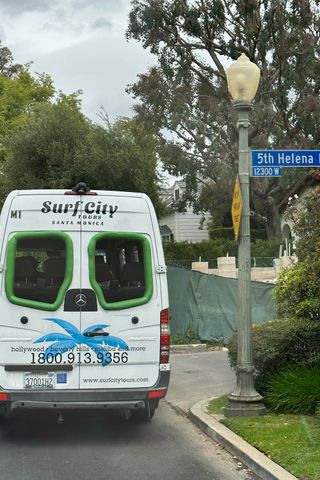
Since the City Council's approval of the landmark status, the couple argued the designation has generated “massive tourism” at the property. They further alleged they were required to hire private security to “guard against trespassers that the city knowingly invited and encouraged.”

Credit: Courtesy of Pacific Legal Foundation
In judge Percy Anderson's May 6 dismissal, he cited the couple's failure to prove a “viable takings claim” and therefore granted the defendant's motion to dismiss. He wrote the couple did not provide examples of the city “authorizing or encouraging members of the public to access the property itself.”
As to the demolition of the property, the judge found the couple was “aware of its historical connection to Ms. Monroe,” the city's applicable regulations and that “while prior owners had made substantial alterations to the property, no prior owner had demolished the buildings” — thus failing to argue their plans were objectively reasonable.
“The court's decision is a bit surprising, but it's not over. We are preparing our next steps in this case,” J. David Breemer, an attorney with Pacific Legal Foundation representing the couple, says in a statement shared with PEOPLE. “When the government takes your property — either by physically seizing it or by destroying its value — then it has to pay just compensation for the taking. The Fifth Amendment doesn't carve out exceptions for public monuments, and neither can LA.”
Never miss a story — sign up for PEOPLE's free daily newsletter to stay up-to-date on the best of what PEOPLE has to offer, from celebrity news to compelling human interest stories.
The judge is allowing the plaintiffs to refile a first amended complaint before May 26. Failure to do so may result in another dismissal.
Read the full article here