

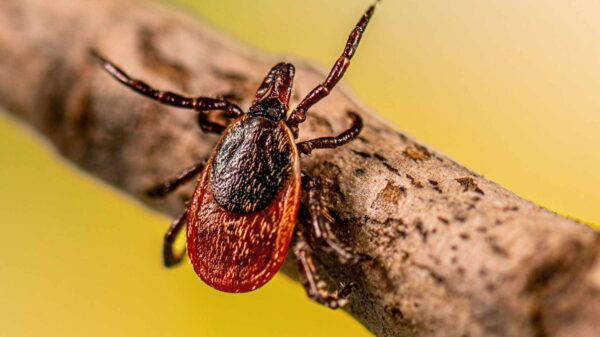




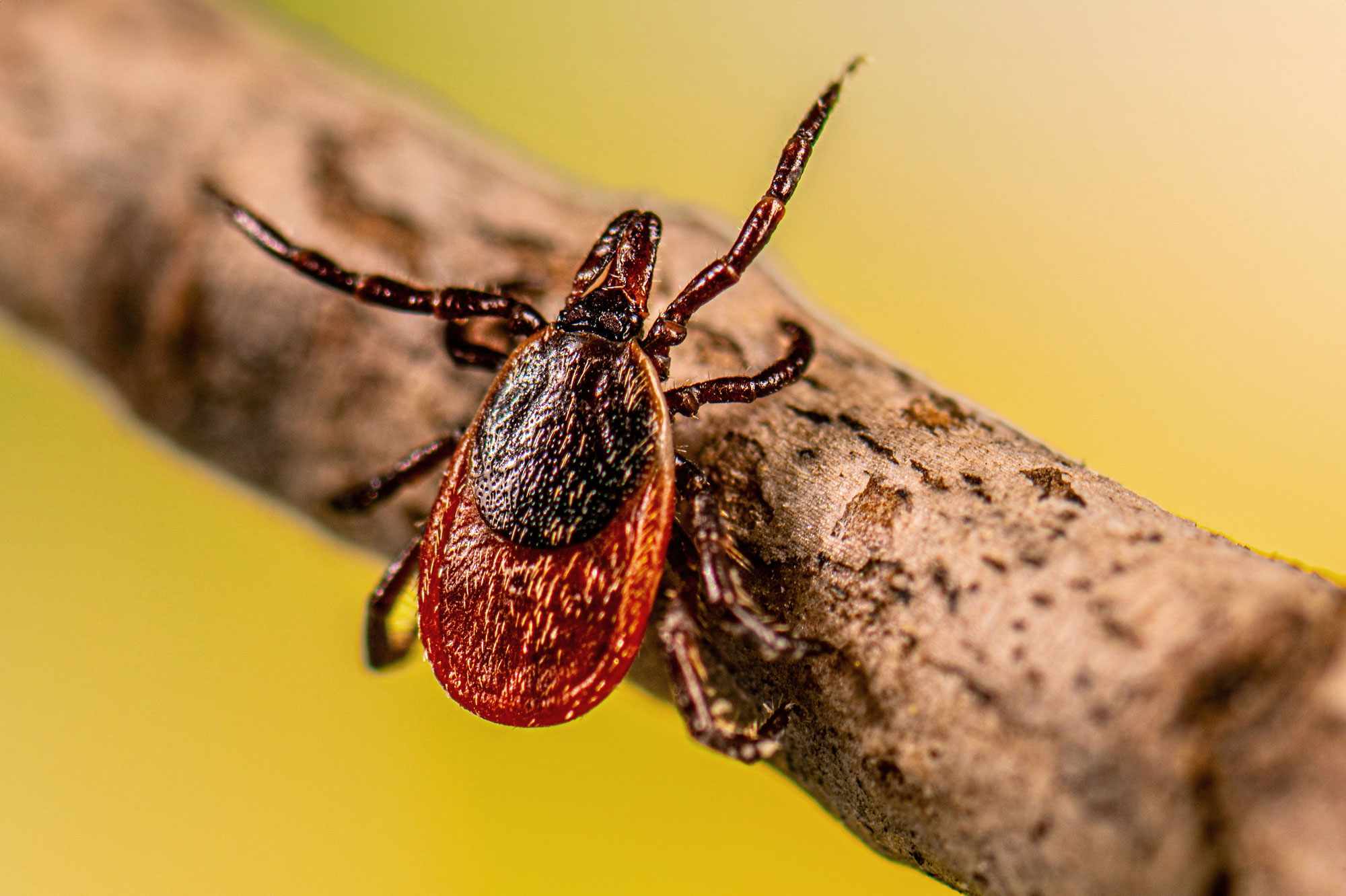
The case marks the fourth-ever recorded case of the disease worldwide
Credit: Smith Collection/Gado/Getty
NEED TO KNOW
- Officials in California have confirmed that a resident was infected with an extremely rare, tick-borne illness
- The California Department of Public Health (CDPH) confirmed that a person was diagnosed in April after coming into contact with Rickettsia lanei in Northern California
- The case marks the fourth-ever recorded case of the disease worldwide
Officials in California have confirmed that a resident was infected with an extremely rare, tick-borne illness — marking the fourth-ever recorded case of the disease worldwide.
The California Department of Public Health (CDPH) confirmed to SFGate on Friday, June 12, that a person was diagnosed in April after having contracted the bacteria Rickettsia lanei, likely while in Northern California.
The agency said the individual was hospitalized after their diagnosis and then released — though officials did not share specifics about their symptoms.
The CDPH did not immediately respond to PEOPLE's request for further information.
The tick-borne bacterium — named Rickettsia lanei for UC Berkeley professor Robert Lane — was first discovered in rabbit ticks in Sonoma County in 2018.

Credit: Myung J. Chun / Los Angeles Times via Getty
Researchers learned in 2023 that humans could also be infected with the disease, after a man arrived at a Bay Area emergency room with fever-like symptoms. Doctors tested him for multiple conditions, and he deteriorated after several days, as he suffered seizures, low oxygen levels and more, according to SFGate.
Eventually, doctors deduced that he might have a rickettsial disease or a spotted fever — both potentially severe tick-borne illnesses — and he was treated with doxycycline. He was finally released from the hospital after 22 days, the outlet reported.
Anne Kjemtrup, a research scientist and veterinarian with the CDPH, told SFGate that the infection is rare but can be "fairly severe," comparing it to Rocky Mountain spotted fever — which is also spread through the bite of an infected tick and can cause symptoms such as headaches, fevers, rashes, vomiting and stomach pain.
Patients with Rocky Mountain spotted fever have also experienced acute kidney injury and brain inflammation, and the disease has a fatality rate that can reach 5% to 10% in the U.S., according to the Cleveland Clinic.
"It is the most dangerous, highly lethal vector-borne disease … in all of the Americas," Kjemtrup said of Rocky Mountain spotted fever, explaining that "it is more lethal" than hantavirus.
Never miss a story — sign up for PEOPLE's free daily newsletter to stay up-to-date on the best of what PEOPLE has to offer, from celebrity news to compelling human interest stories.
Scientists have located several cases of ticks along the California coast this year that were infected with the Rickettsia lanei bacteria, including in Contra Costa County, where the first human case was reported.
According to Kjemtrup, researchers are still investigating how Rickettsia lanei spreads and how it impacts human patients.
"There's so much we don't know," Kjemtrup added.
Officials have made several recommendations about avoiding tick-borne illnesses, particularly during the summer months.
The Centers for Disease Control advises people to be conscious when entering areas where ticks are frequently found — including grassy, bushy or wooded areas — to walk along the center of hiking trails or paths to avoid contact with ticks, and to use Environmental Protection Agency (EPA)-registered insect repellent (after applying sunscreen) while spending time outdoors.
Read the full article here