
On Wednesday, July 29, the moon will adorn the night sky and reach its peak of fullness, followed by two seasonal meteor showers
Credit: FABRICE COFFRINI/AFP via Getty
NEED TO KNOW
- July’s full Buck Moon will peak on Wednesday, July 29, and is named for male deer growing new antlers
- The Buck Moon coincides with the Delta Aquariid and Alpha Capricornid meteor showers, offering multiple celestial events this week
- Bright moonlight may reduce visibility of meteors, but clear skies and patience can still provide a stunning show
The night sky is putting on one of the month’s most enchanting sky events, so look up and enjoy the show!
This week, July’s full Buck Moon will adorn the night sky and glow above the horizon on Wednesday, July 29, just as two annual meteor showers — Delta Aquariid and Alpha Capricornid — approach peak activity, setting the stage for several nights of cosmic events.
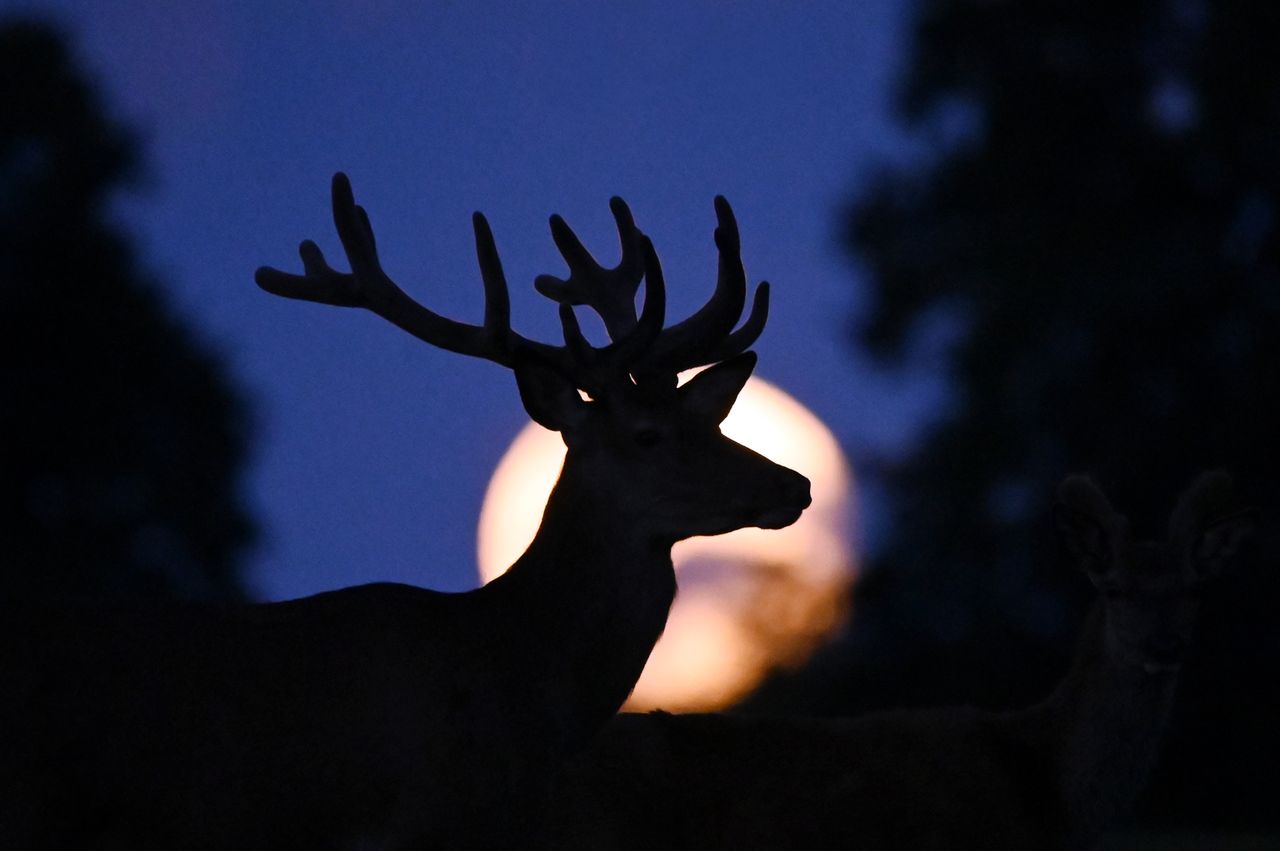
According to Farmers’ Almanac, July’s full moon is called the Buck Moon because “this is the season when male deer, or bucks, are growing new antlers.”
So, whether you’re hoping to marvel at the glimmering moonlight or catch a glimpse of shooting stars, step outside, give your eyes time to adjust and find a clear view of the night sky.
Here’s everything you need to know about where, when and how to witness this stellar event.
What is the Buck Moon?
July’s full moon is traditionally known as the Buck Moon, a name connected to the time of year when male deer begin growing a new set of antlers, per Farmers Almanac.
Luna will officially reach its peak of fullness on Wednesday, July 29, at exactly 10:35 a.m. EDT, but the most impressive opportunity for viewing arrives later that evening.
This year’s Buck Moon also happens to occur between two major astronomical events, rising two weeks before the total solar eclipse on Aug. 12, which coincides with the annual Perseid meteor shower, and approximately one month before the Sturgeon Moon and a partial lunar eclipse on Aug. 28.
When will the Buck Moon be visible?

Credit: Sergei Gapon/Anadolu Agency via Getty
The best time to see the Buck Moon will be shortly after sunset on Wednesday, July 29, when it begins rising across North America and Europe. Look toward the eastern horizon from a location with as few buildings, trees or other obstructions as possible.
Given that the moon will be positioned close to the horizon, it could initially appear deep orange or golden, which is a result of its light traveling through more of Earth’s atmosphere. However, as it climbs higher, it will gradually return to its usual pale glow.
When will the meteors be visible?

Credit: Thilina Kaluthotage/NurPhoto via Getty
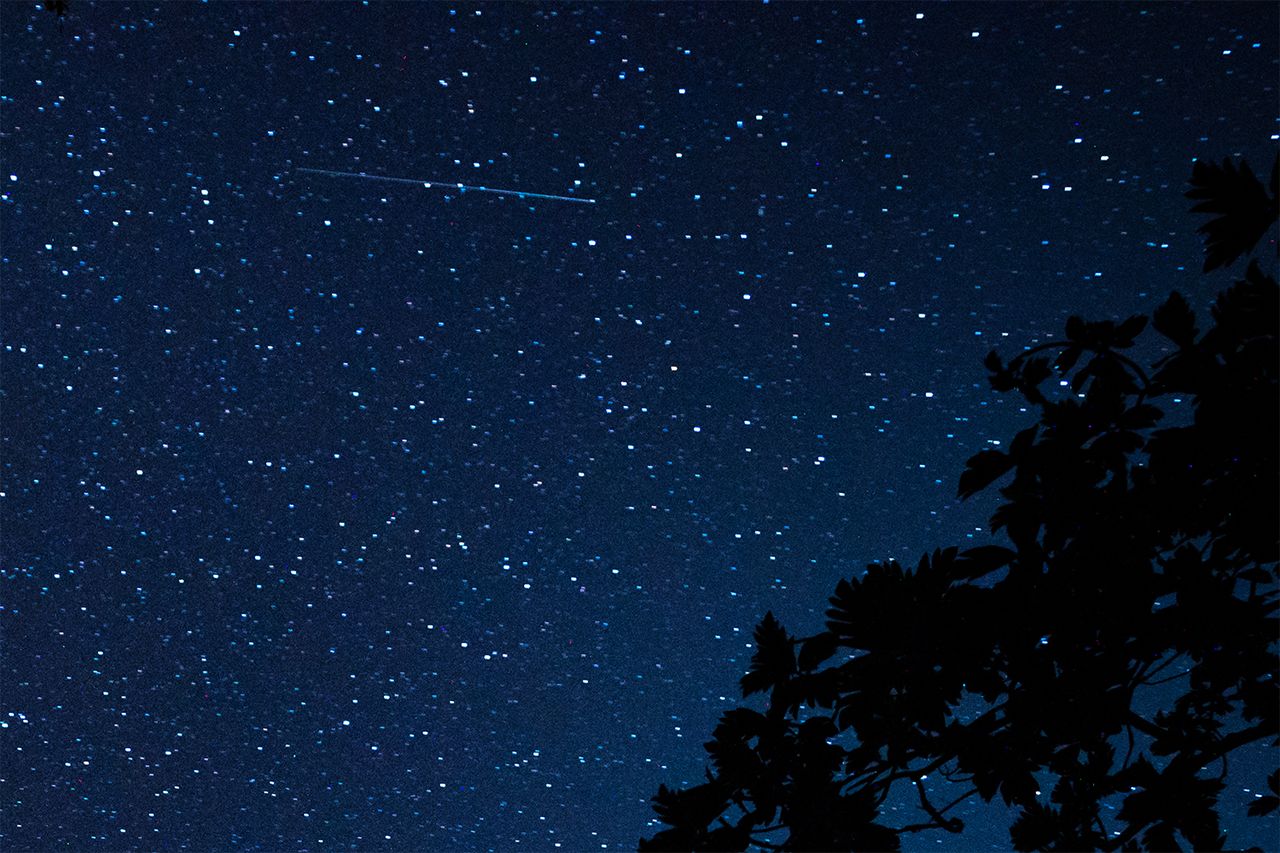
The Delta Aquariid and Alpha Capricornid meteor showers will reach their peak around the nights following the full moon, with peak activity expected overnight from Thursday, July 30 into Friday, July 31 and continuing into Saturday, Aug. 1.
According to the American Meteor Society, the Delta Aquariids can produce approximately 25 meteors per hour under favorable conditions, while the Alpha Capricornids typically produce around five per hour. While the latter shower may be less active, it’s known for occasionally producing especially bright fireballs.
Keep in mind that bright moonlight can make the faintest meteors more difficult to see, but it won’t put a total damper on the show.
How to watch the Buck Moon rise followed by the meteors?
Choose a spot with a clear view of the sky and try to arrive before sunset so you have time to get situated. As always, elevated areas, open fields, beaches and waterfront locations can offer especially unobstructed views.
No telescope is necessary — the full moon can be seen with the naked eye, although binoculars can help reveal its craters and textured surface once it rises higher.
To search for meteors afterward, turn away from the moon and place a building, tree or other large object between yourself and the moonlight if possible. Avoid looking at your phone, and allow approximately half an hour for your eyes to adjust to the darkness before you start scanning.
The meteor count could be reduced by the bright moonlight, but one well-timed fireball could still make a late-night viewing session worthwhile.
Read the full article here