
The effort, called Octo-Blu, aims to strengthen a native octopus population rather than introduce a new species
Credit: Alamy
NEED TO KNOW
- Scientists have released 130,000 octopus paralarvae to combat invasive blue crabs damaging Mediterranean fisheries
- The project, Octo-Blu, strengthens native octopus populations to control crab numbers without introducing new species
- Blue crabs have caused millions in damage to Italy’s shellfish industry, prompting government-funded containment efforts
Italy’s answer to an invasive crab problem comes with eight arms.
According to Scientific American, in a bid to protect fisheries battered by blue crabs, scientists have begun seeding the Adriatic Sea with common octopuses, around 130,000 so far, with more on the way, in hopes the notoriously effective predators can eat their way through the crustaceans clogging the region’s waters.
Currently, the octopuses are tiny, freshly hatched “paralarvae” only a few millimeters long that have been released near the coast to mature. Under the right conditions, a single one-kilogram adult can put away four medium-sized blue crabs a day.
The project, dubbed Octo-Blu, launched in 2024 and spent its first phase in the lab, where researchers worked out how to raise the hatchlings in tanks.

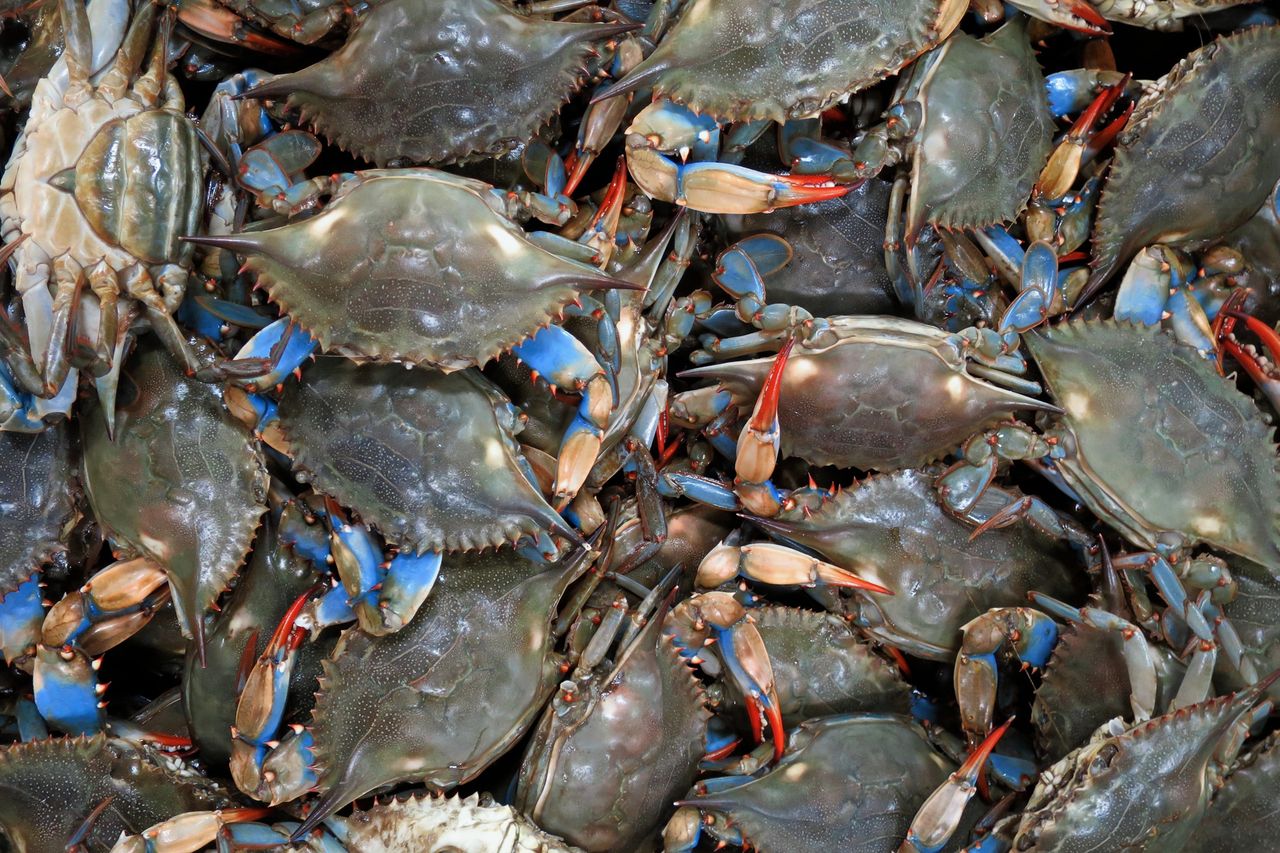
Credit: Getty
This summer, many of the young octopuses made their way into open water off the towns of Cesenatico and Riccione, some of the areas hardest hit by the invasive crab species. The project’s team also sank artificial dens in the waters to give the vulnerable newcomers somewhere to hide.
Rather than import a brand-new predator to deal with the crabs, the team is topping up a species that already belongs in Mediterranean waters.
“We are not introducing a new species but working on strengthening the population of a native species already naturally present in the Adriatic,” said Antonio Casalini, an aquaculture research technician at the University of Bologna, which runs the initiative with the Emilia-Romagna regional government.
According to experts, blue crabs are a prized catch in the Mid-Atlantic United States, but in the Mediterranean the species is an unwelcome transplant that arrived last century and stayed.
The crab’s population began to explode about a decade ago. The fallout has been steep, resulting in shredded nets, decimated clam beds and mussel stocks, and hundreds of shuttered fisheries along the Italian coast.
The damage to the region’s shellfish industry has cost tens of millions of euros, and the government has poured money into efforts to “contain and combat” the crab’s spread.
Whether the octopus army works is still an open question. Gianluca Sarà, a marine ecologist at the University of Palermo who isn’t part of the project, called the concept “powerful” and “great,” while warning the real-world effect could turn out to be “absolutely negligible.”
Never miss a story — sign up for PEOPLE’s free daily newsletter to stay up-to-date on the best of what PEOPLE has to offer, from celebrity news to compelling human interest stories.
Per the reporting, octopus paralarvae die off at a rate near 99.9%, so only a scattered few out of thousands will likely reach adulthood.
Casalini said the goal isn’t to wipe the blue crab out with the octopuses but to keep the invasive species in check, alongside other tactics like more aggressive fishing of the crab itself.
Read the full article here