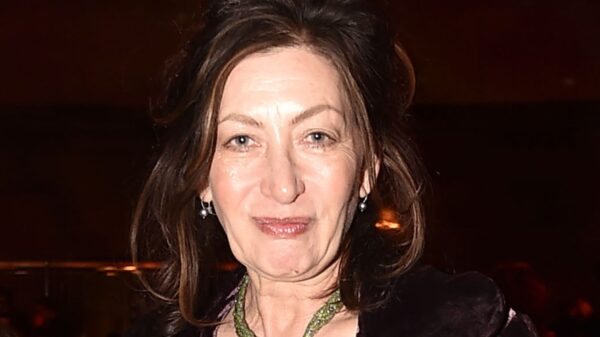








“This whole time, I thought it was some weird menopausal thing,” she said
Credit: Getty
NEED TO KNOW
- Shannon Ivey experienced symptoms like weight loss and gut issues before being diagnosed with rectal cancer
- Ivey, a single mom, detailed her journey in her memoir about navigating cancer and advocating for herself
- Experts say colorectal cancer is rising among younger adults
When Shannon Ivey first noticed something wasn’t quite right, cancer was the last thing on her mind.
The 42-year-old single mom of Columbia, S.C., had been experiencing symptoms for months before she realized it could be linked to something as serious as stage 3 rectal cancer, according to TODAY.
There was what she described as “mystery blood,” which she initially mistook for spotting. Because women in her family tend to enter perimenopause early, she suspected the symptom "was some weird menopausal thing."
“I never connected it to a bowel movement," Ivey, who detailed her experience in her book, Welcome to the Sh*t Show: A Memoir of Colorectal Cancer and the Power of Self-Advocacy, told the outlet.
Other changes followed, including "pencil-thin" stools and the persistent urge to use the bathroom, issues that Ivey attributed to her "lifelong" gut issues. She tried to manage them on her own by adjusting her diet, eating more fiber and even buying a toilet stool to improve positioning.
It wasn’t until a more dramatic shift that everything changed.
Over about six months, Ivey, who stands about 5'4", said that she lost 26 pounds — weight loss that largely went unnoticed until someone else pointed it out. A comment from her first-grader son's school bus driver prompted her to weigh in, a moment she says made the severity of her condition clear.
“I knew that I was very sick when I saw that number,” recalled Ivey.
Soon after, she was diagnosed with stage 3 rectal cancer, a condition that experts say is on the rise among younger adults.
According to a March 2 report from the American Cancer Society, rates of colorectal cancer are rising among younger generations after decades of decline, signaling a shift in who the disease is affecting.
Researchers found that nearly half of new colorectal cancer cases now occur in adults under 65, a significant increase from past decades, and that rectal cancer in particular has been on the rise.
Scientists emphasize the need for increased research, prevention, and screening, especially as many younger patients are diagnosed at more advanced stages.
Read the full article here