




The country star details the darkest year of his life on his remarkable new album ‘Mule’
Credit: Gordon Nicholas
NEED TO KNOW
- Orville Peck’s new album, Mule, is inspired by his journey to sobriety
- Peck overdosed in 2023, and after going to rehab and relapsing, he got sober
- “The greatest thing sobriety gave me was I started to feel a kind of confidence I’d never had,” he says in the new issue of PEOPLE
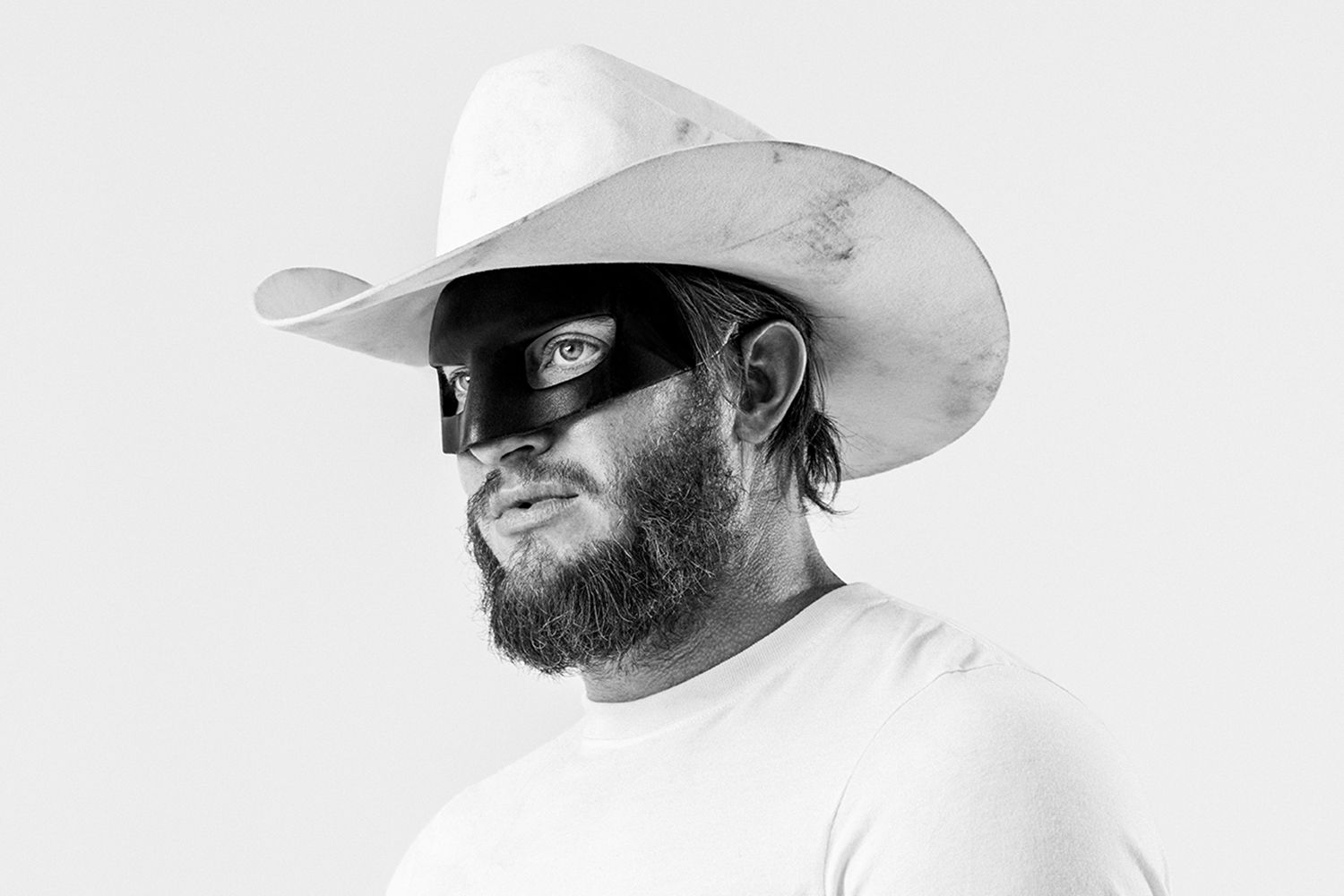
“I’m scared s—less,” Orville Peck says as he peers out at the rainy Midtown Manhattan view from the ninth-floor window of his record label’s office. In three weeks the country star — who today is dressed in tight blue jeans, a vintage George Strait tee, cowboy boots and his signature face mask — will drop Mule, his most personal album to date.
His apprehension is understandable. The record (out Sept. 18) details his darkest year, during which he attempted to take his own life and went to rehab before getting sober. “I know that when I am the most vulnerable and go the deepest with my lyrics, it’s something that other people really connect with,” says Peck, 38. “So I’m scared — I mean, it’s really personal stuff that is frightening to talk about with anybody, never mind release to strangers.”
The artist born in Johannesburg broke through with his stage name Orville Peck in 2019. He quickly grew a cult following, thanks to his subversive songs like “Dead of Night,” which pair classic country twang with queer storytelling. But as with the face he hid behind his trademark fringed masks, Peck largely kept his personal life shrouded in mystery.
By 2023 he was burned out from his breakneck rise and the stress of balancing his private life and public persona. He reached a breaking point that June after splitting from his partner. “I was already sort of hanging on by my fingernails in terms of the pressure I felt to perform, the pressure I felt about this new level of fame, and then I went through this breakup,” Peck says.
The evening before playing what would then be one of the biggest shows of his career, he ran into his ex at a club in New York City. “I think when you’re so deeply in a crisis and you’re just coping day to day, especially adding on the anguish that drugs and alcohol do to your nervous system, it was like the last nail in the coffin, where I just went into a completely dark spiral,” says Peck, who tried to kill himself by overdosing in his hotel room that night but woke up the next day. “It’s easy when you are so low to think that there’s no way out of it.”
After his team staged an intervention hours later, Peck played a sold-out show at The Theater at Madison Square Garden before abruptly scrapping the entire tour and checking into a California treatment center. Some of Mule‘s songs were written during that rehab stint.
“Deep down, I knew I had to go; no one knew I had a problem more than me,” he says. “But I was looking at rehab like, ‘Okay, I’m going to reset. I can read a book and take a breath, I’ll have my drinking back under control, and I’ll be fine. I’m not an addict.’ ”
Peck began drinking again the night he got out and “went even further into chaos,” he says. Soon after, he adds, “I had another dark moment, and something snapped inside of me. I looked in the mirror and said to myself, ‘You are about to lose everything.’ I woke up the next day, and I was like, ‘I’m never drinking again,’ and it’s been almost three years now.”
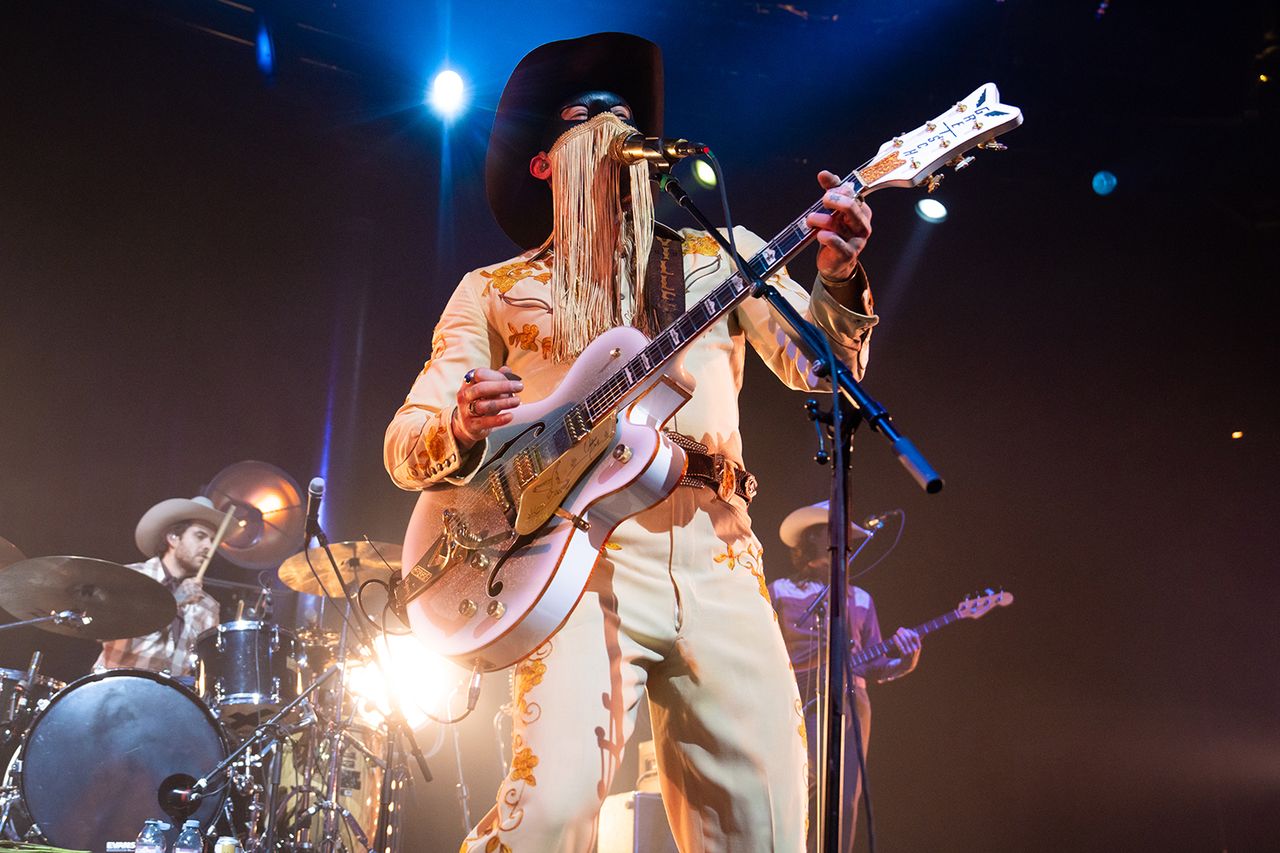
Credit: James Klug/Getty
On Mule, Peck unpacks his addiction, the breakup and the identity crisis that nearly cost him his life. The record is the latest in a series of equestrian-themed albums and captures this fraught chapter remarkably. “I felt trapped between two worlds—the public persona, my private life—which is sort of a mule, trapped between being a donkey and a horse, neither here nor there,” he says. “I had to learn how to navigate that. It’s me telling the 20-year-old Orville, ‘We can do this.’ ”
In confronting substance abuse, Peck, who manages his addiction with a 12-step program, learned to love himself and even reconciled with his ex.
“The greatest thing sobriety gave me was I started to feel a kind of confidence I’d never had,” he says. “I was finally asking, ‘What do I want for myself?’ instead of ‘Who can I be to be wanted, to be loved?’ I’ve come a long, long way.”
For more on Orville Peck, pick up the new issue of PEOPLE, on newsstands everywhere Friday.
If you or someone you know is struggling with mental health challenges, emotional distress, substance use problems, or just needs to talk, call or text 988, or chat at 988lifeline.org 24/7.
Read the full article here