





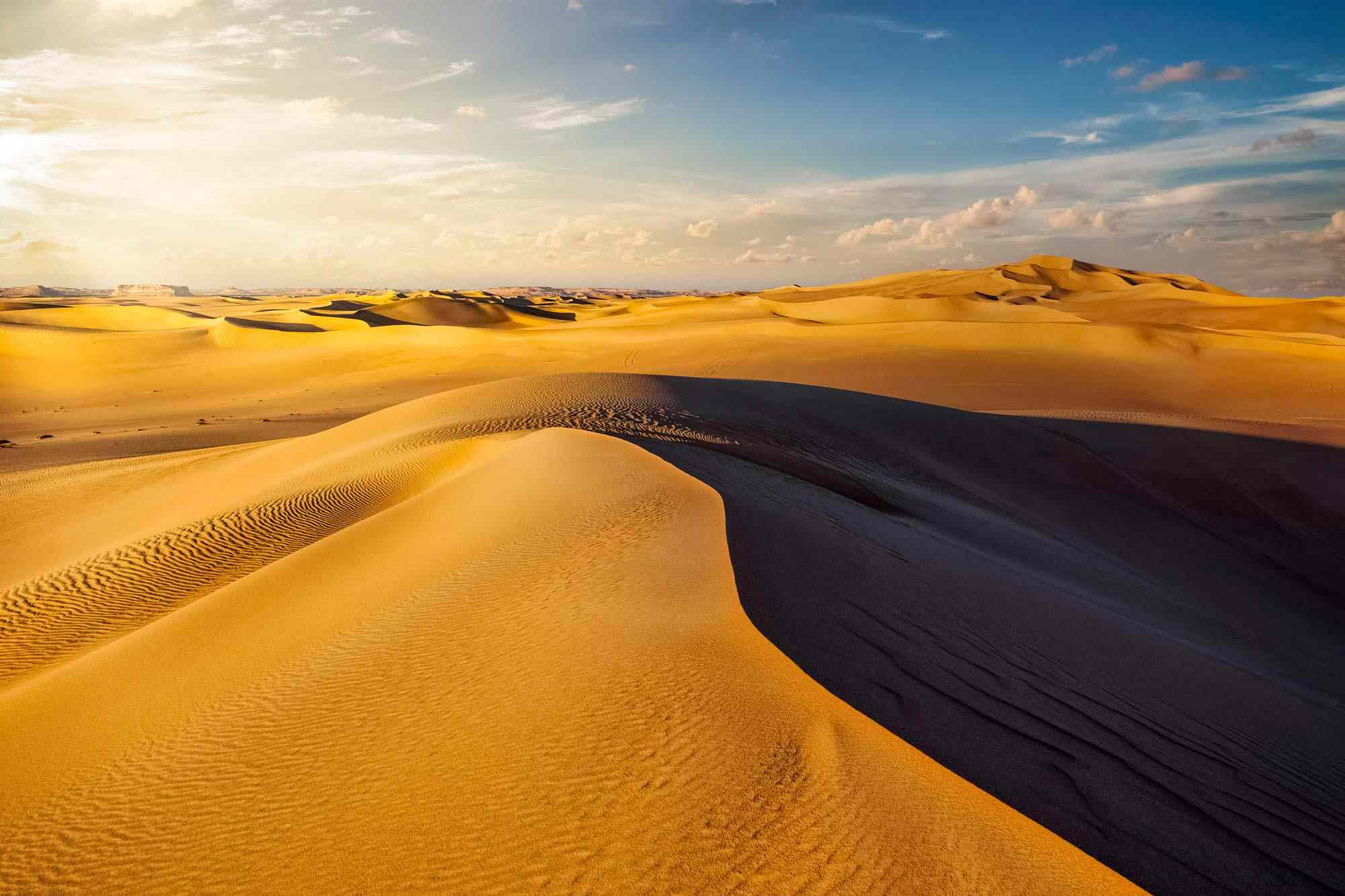
A team of researchers found 14 teeth of different shapes in the country’s Abu-Tartur Plateau, indicating that the region was once a nutrient-rich tropical sea
Credit: Getty
NEED TO KNOW
- Fossilized teeth from numerous shark species have been found in the middle of the Egyptian desert, in what researchers have dubbed a “shark graveyard”
- A new study has identified five previously unreported species, including three that had never before been found in Egypt
- The 66-million-year-old fossils suggest that this region, part of the Sahara, was once a nutrient-rich tropical sea
Scientists have discovered an ancient shark “graveyard” in the middle of the Egyptian desert.
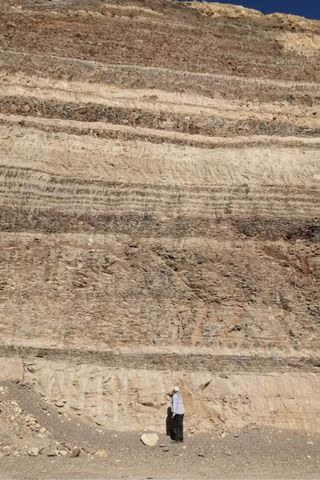
Buried beneath the Abu-Tartur Plateau in the southern part of the Western Desert, part of the Sahara, lie the teeth of at least seven shark species.
The plateau is part of the Duwi Formation, which dates back about 66 million years to the late Cretaceous period, at which time the area is believed to have been a warm, tropical sea.
Credit: Paleontologist Tarek Yassin
Previously, Tarek Yassin, a paleontologist at Cairo University, and his colleagues identified two shark species among teeth found in the phosphate fossil bed, so they went back to search for more and published their findings in an article in the journal Cretaceous Research last month.
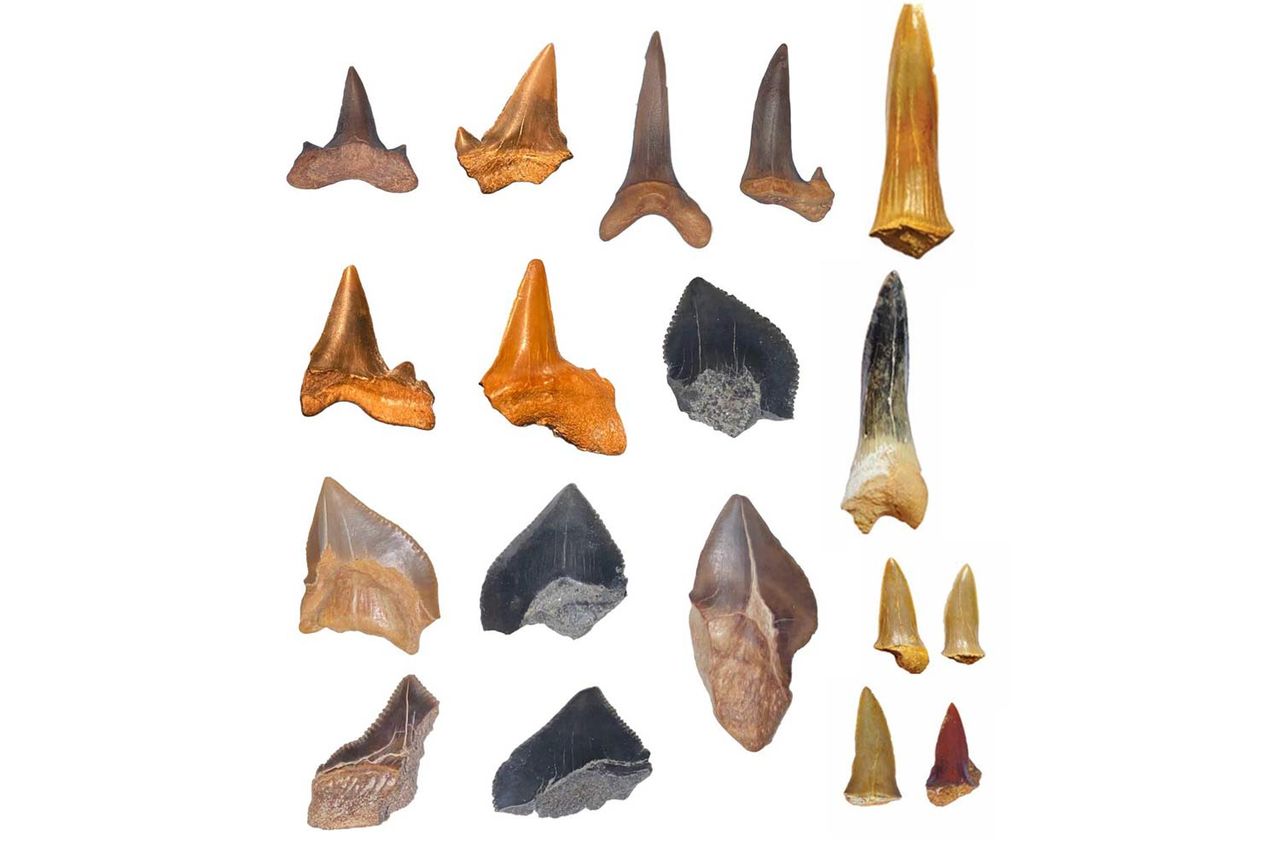
They found another 14 shark teeth, something Yassin told Live Science was an “exciting surprise.”
Based on fossil records from around the world, the researchers identified them as belonging to five extinct species: Cretalamna cf. maroccana, Scapanorhynchus cf. raphiodon, Serratolamna cf. serrata, Squalicorax bassanii, and Squalicorax pristodontus.
Credit: Paleontologist Tarek Yassin
None of the five species had been found in Abu-Tartur before, while three — Cretalamna cf. C. maroccana, Serratolamna cf. S. serrata and Squalicorax bassanii — had never been discovered anywhere in Egypt, per the study.
It may also be the first time Scapanorhynchus cf. S. raphiodon, an ancient relative of the goblin shark, has been found in Egypt, too, and potentially in Africa as a whole.
As for the teeth themselves, there was a surprising amount of variation. Some of them were long and sharp, almost like needles, while others were broader and more serrated, and others still were more curved.
Per the findings, the variation in the sharks suggests that the sea was rich in nutrients and likely supported a varied food web that ranged from smaller fish to large predators.
“This study provides evidence that the area now occupied by the plateau was once a sea with flourished marine life, with environmental conditions suitable for its development and prosperity, including favourable temperatures, sunlight, and appropriate oxygen levels,” Yassin told Live Science.
Never miss a story — sign up for PEOPLE’s free daily newsletter to stay up-to-date on the best of what PEOPLE has to offer, from celebrity news to compelling human interest stories.
The fossils in the phosphate bed will have accumulated over a longer period of time, however, and can’t provide a clear picture of one single time period, so Yassin and his team plan to keep searching the area for more clues.
“We believe there is still much more to discover,” he told the outlet.
Read the full article here