




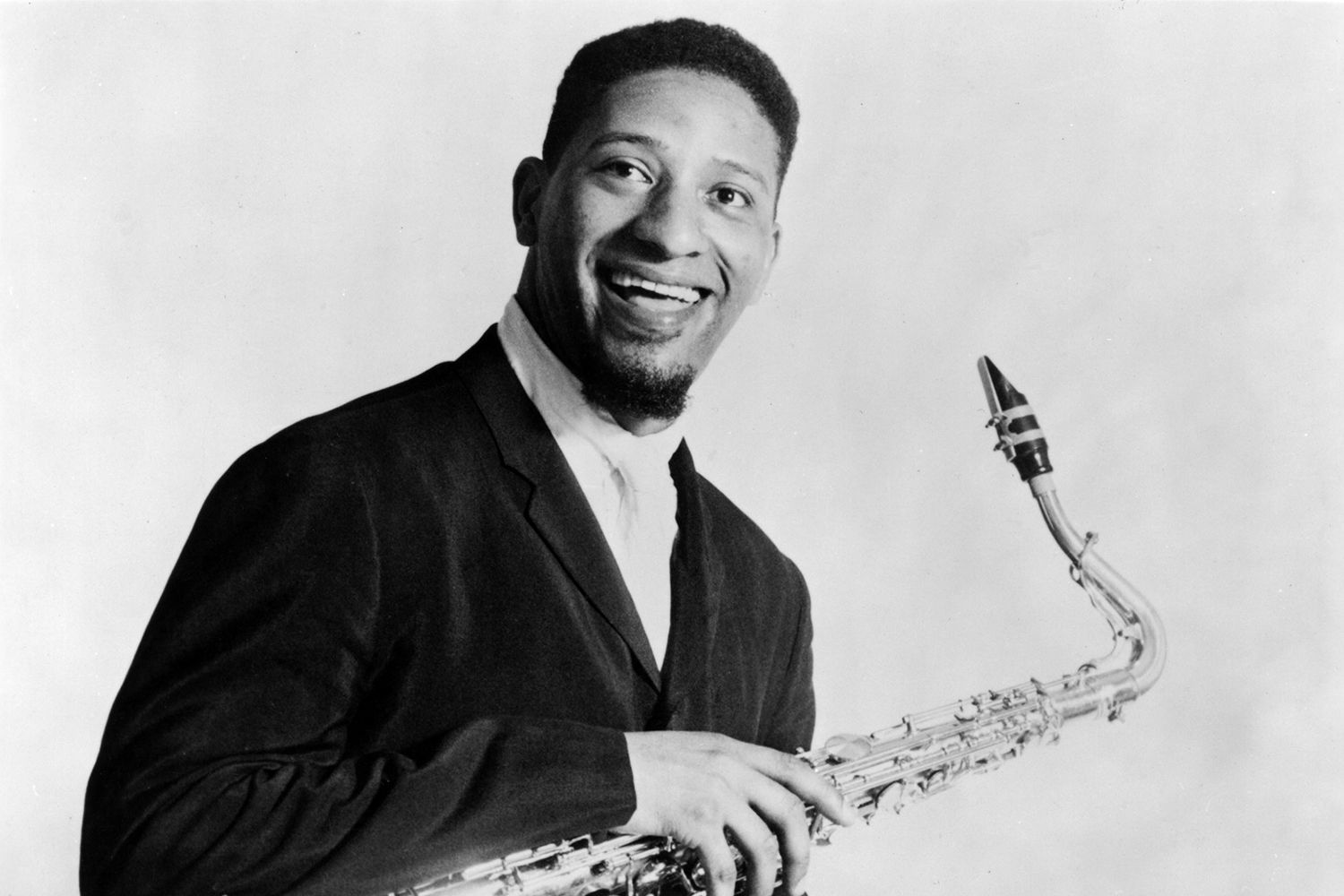
The New York City native, whose famous compositions include "St. Thomas" and "Oleo," is considered one of the most influential jazz musicians of all time
Credit: Gilles Petard/Redferns/Getty
NEED TO KNOW
- Sonny Rollins was one of the most influential jazz musicians of the 20th century and beyond
- He overcame addiction early in his career and released 16 albums during a prolific three-year period in the 1950s
- Rollins received numerous honors including a Grammy lifetime achievement award and a Kennedy Center Honor
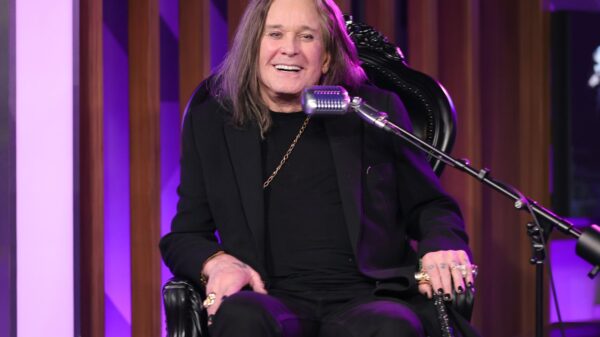
Legendary tenor saxophonist Sonny Rollins has died at the age of 95.
The influential jazz musician died on the afternoon of May 25, 2026, at his home in Woodstock, N.Y., according to a statement shared by his family.
“Jazz saxophonist/composer Sonny Rollins, one of the most honored and influential figures in American music of the 20th century and beyond, died this afternoon at his home in Woodstock, NY. He was 95,” the statement read.
His family said Rollins is survived by his nephew Clifton Anderson and nieces Vallyn Anderson and Gabrielle DeGroat. They also noted that no public memorial is planned at this time.
The statement included a quote previously given by Rollins in 2009 reflecting on spirituality and creativity.
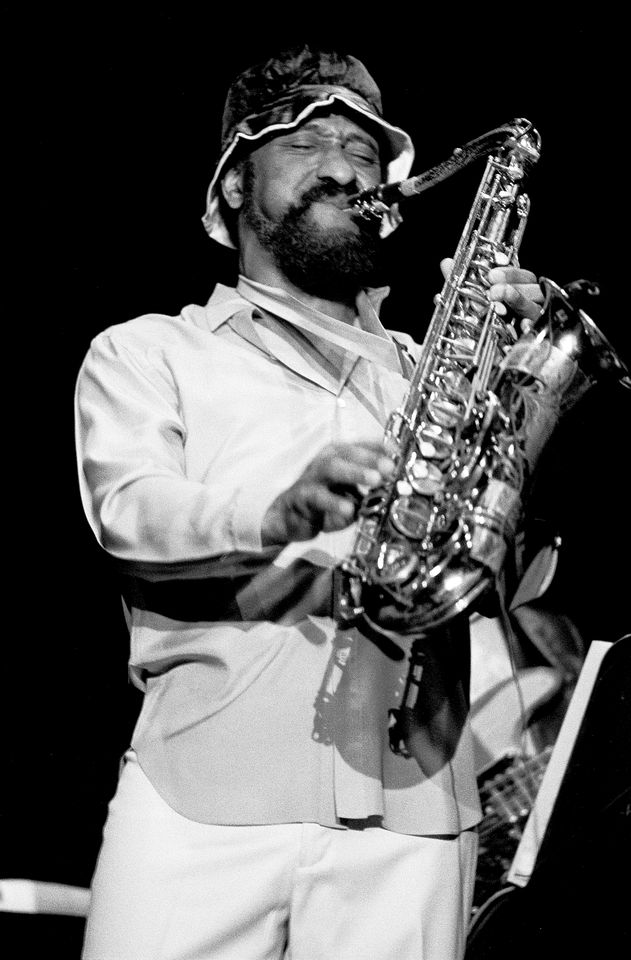
Credit: Paul Natkin/Getty
“I think when the creative person ends, he continues in the next existence. I’m a person who believes this life isn’t the be-all and end-all of everything. A spiritual person doesn’t feel like that,” Rollins said.
Rollins, whose birth name was Walter Theodore Rollins, was born in New York City in 1930. His parents were from the Virgin Islands and raised him in Harlem. He began playing piano before picking up the alto saxophone, but at 16 he switched to tenor, the instrument for which he would become known, in order to emulate his idol Coleman Hawkins.
"I was attracted, I think, to his sound (he had that great sound), and then it just seemed like he knew so much music," Rollins told Down Beat magazine in 1997. "Just his mental thing and intellectual approach really got to me." He credited Hawkins with making him realize that music was art.
Before he turned 20, he had already collaborated with jazz greats like Babs Gonzales, J.J. Johnson, Bud Powell, Miles Davis and Thelonious Monk, whom he called his "musical guru" in a 2013 interview. "I played with Monk, I rehearsed with Monk and he taught me a lot, he was also a very good person," he explained.
In the 1950s, Rollins developed an addiction to heroin. But in 1954, after multiple heroin-related arrests, he received treatment at a narcotic hospital at a federal prison in Lexington, Kentucky. The hospital, known as The Narco Farm, was renowned in the music world for helping people get clean (even if they had not been arrested), and it was the only rehabilitation hospital in the country at the time.
Afterward, he moved to Chicago, where he slowly re-entered the jazz scene while maintaining his sobriety. “I thought, ‘I’m a musician and I have to be strong enough to be around drugs,’ because that was the scene,” he told the Chicago Reader in 2008. “I was clean when I left Lexington, but I had to sort of work my way back into society.”
In the three-year period between 1956 and 1958, Rollins released 16 albums, including his live album A Night at the "Village Vanguard," considered one of the greatest jazz albums ever made.
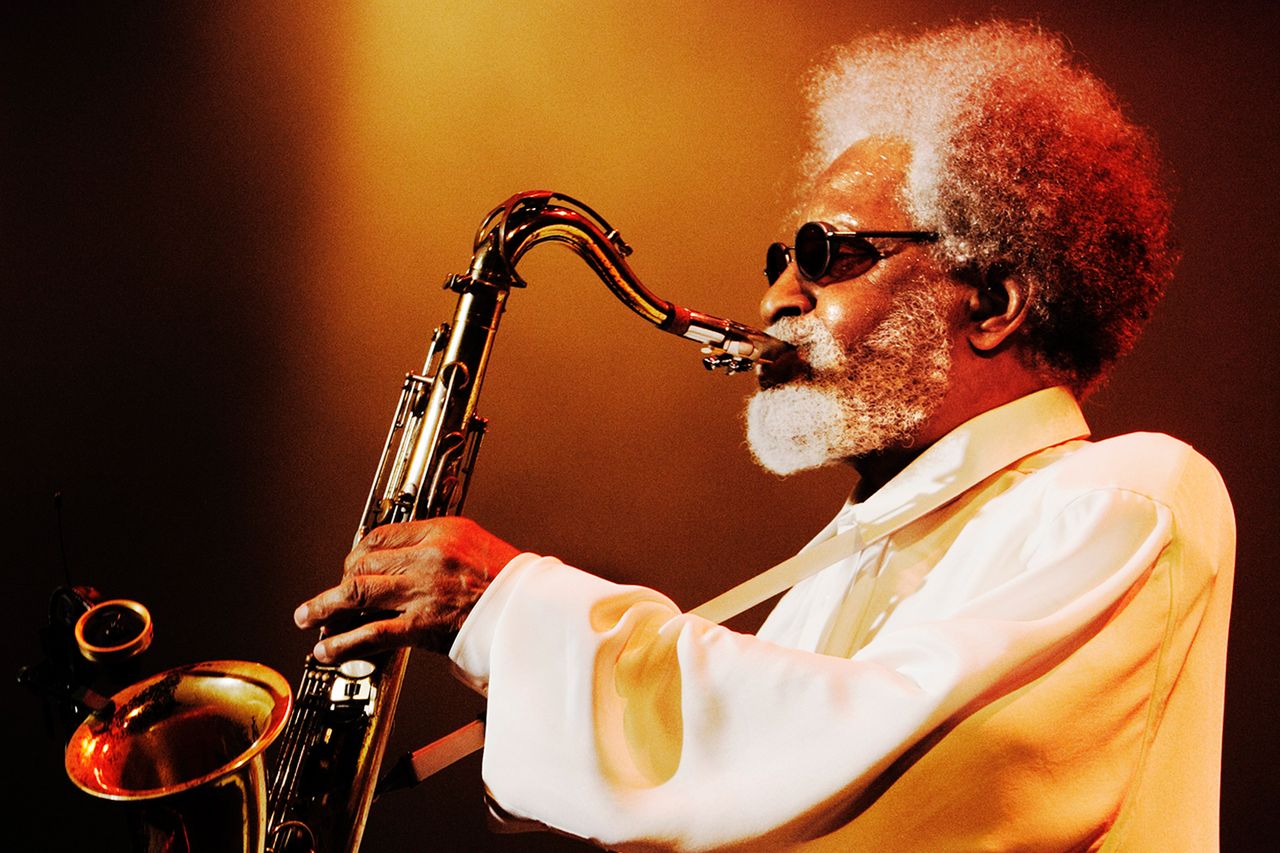
Credit: Peter Van Breukelen/Redferns
Following this prolific period in the late '50s, he took a sabbatical to focus just on playing, which he would often do while walking across New York’s Williamsburg Bridge. His 1962 album The Bridge came out of this time in his life.
Rollins was regarded especially for his ability to improvise. Of his musical capabilities, he told PEOPLE in 2018, “A lot of the people I grew up with in my early teens, we all wanted to be jazz musicians — but we didn’t have the talent. It was a gift. Music is a gift. Anybody can learn music, but it’s only a few people who have a gift that are really talented enough — especially these days — to make it in this highly competitive world.”
At the same time, he had regrets about how he used his gift, explaining “I didn’t explore it enough, I feel, and that’s why I was always the guy who practiced incessantly. I was always trying to catch up and learn things.”
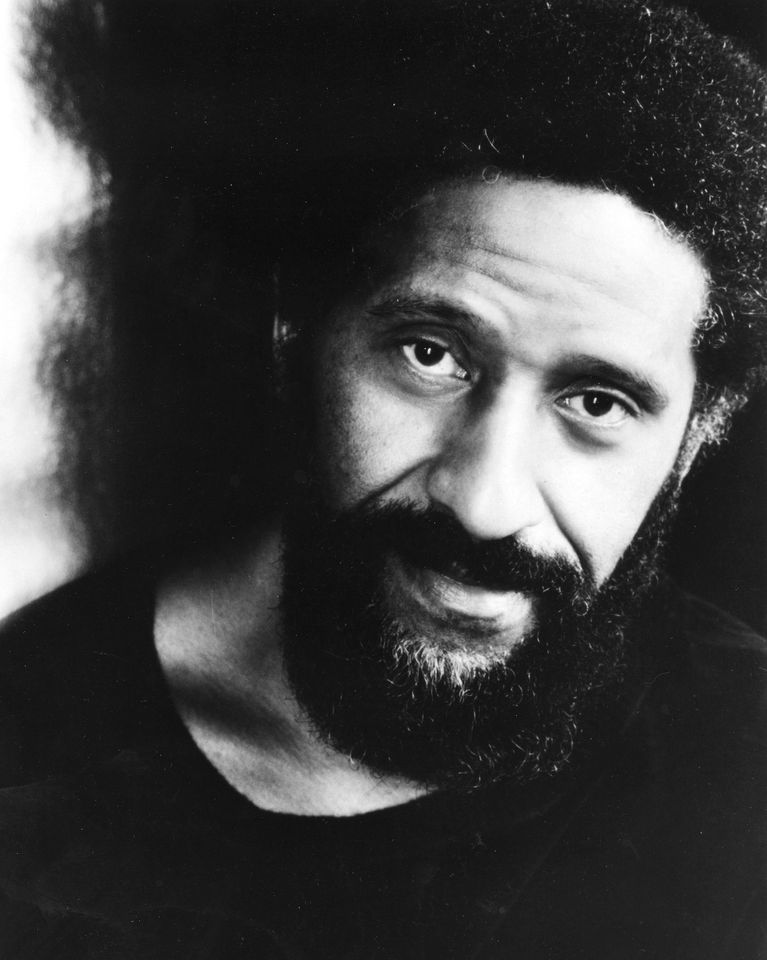
Credit: Pictorial Press Ltd/ Alamy
Rollins was nominated for a Grammy seven times, winning twice. He received a Grammy lifetime achievement award in 2004 and a Kennedy Center Honor and National Medal of the Arts in 2011. In 2017, his personal archive was acquired by the Schomburg Center for Research in Black Culture at the New York Public Library.
Rollins married Dawn Finney, an actress and model, in 1957, and they divorced within a year. In 1965, he married Lucille Pearson, who became his manager in 1971. They were together until her death in 2004.
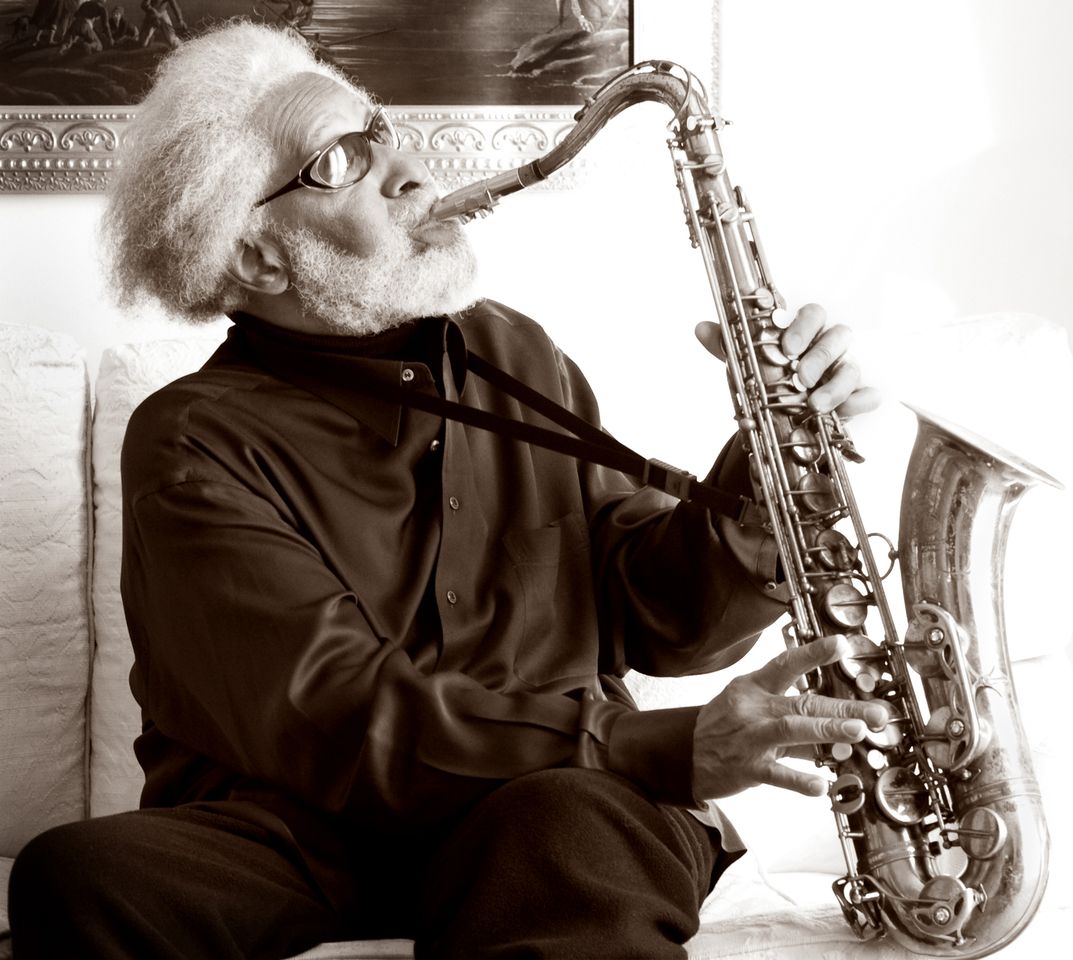
Credit: Michelle Bracken for The Washington Post via Getty
Rollins played his last concert in 2012 and had to give up his instrument completely in 2014 due to pulmonary fibrosis.
“When I had to stop playing it was quite traumatic,” he told the New York Times in 2020. “But I realized that instead of lamenting and crying, I should be grateful for the fact that I was able to do music all of my life. So I had that realization, plus my spiritual beliefs, which I’ve been cultivating for many years. All that work went into my accepting the fact that I couldn’t play my horn.”
And on the topic of dying, he told the outlet, “Dying, it’s funny. Everybody is afraid to die because it’s the unknown. But my mother died. My father died. My brother died. My sister died. My uncle died. My grandmother died. They’re all great people. If they can die then why can’t I die? I’m better than they are? It’s ridiculous to feel, Oh, gee, I shouldn’t die.”
He added, “My body is going to turn into dust. But my soul will live forever.”
Read the full article here