
"It's devastating and for us we are driven on minute by minute, hour by hour, by the sound of the survivors underneath the rubble,” said the UN’s Tom Fletcher
Credit: Diko Betancourt/Anadolu via Getty
NEED TO KNOW
- At least 920 people have died and another 3,360 have been injured after two earthquakes, with magnitudes of 7.2 and 7.5, hit Venezuela
- While more than 76,000 people have been reported missing, more than 12,900 of these have since been located
- Search and rescue teams from Virginia, Florida and California were dispatched to Venezuela as part of the U.S. government’s efforts to “assess needs and provide search and recovery assistance” within the critical survival window
At least 920 people have been confirmed dead, and over 3,300 were injured, days after two major earthquakes hit Venezuela's capital, Caracas.
The earthquakes, with magnitudes of 7.2 and 7.5, hit overnight on Wednesday, June 24, and it's thought the second quake could be the South American country's biggest in more than a century.
The government confirmed that the death toll has risen to 920, with another 3,360 people injured and 172 who are thought to be trapped in rubble, according to Reuters, the BBC and Fox News.
Figures from the missing persons website Desaparecidos Terremoto Venezuela stated that more than 77,000 people had been reported missing as of Saturday, June 27. More than 13,000 of these have since been located, leaving nearly 55,250 people unaccounted for.

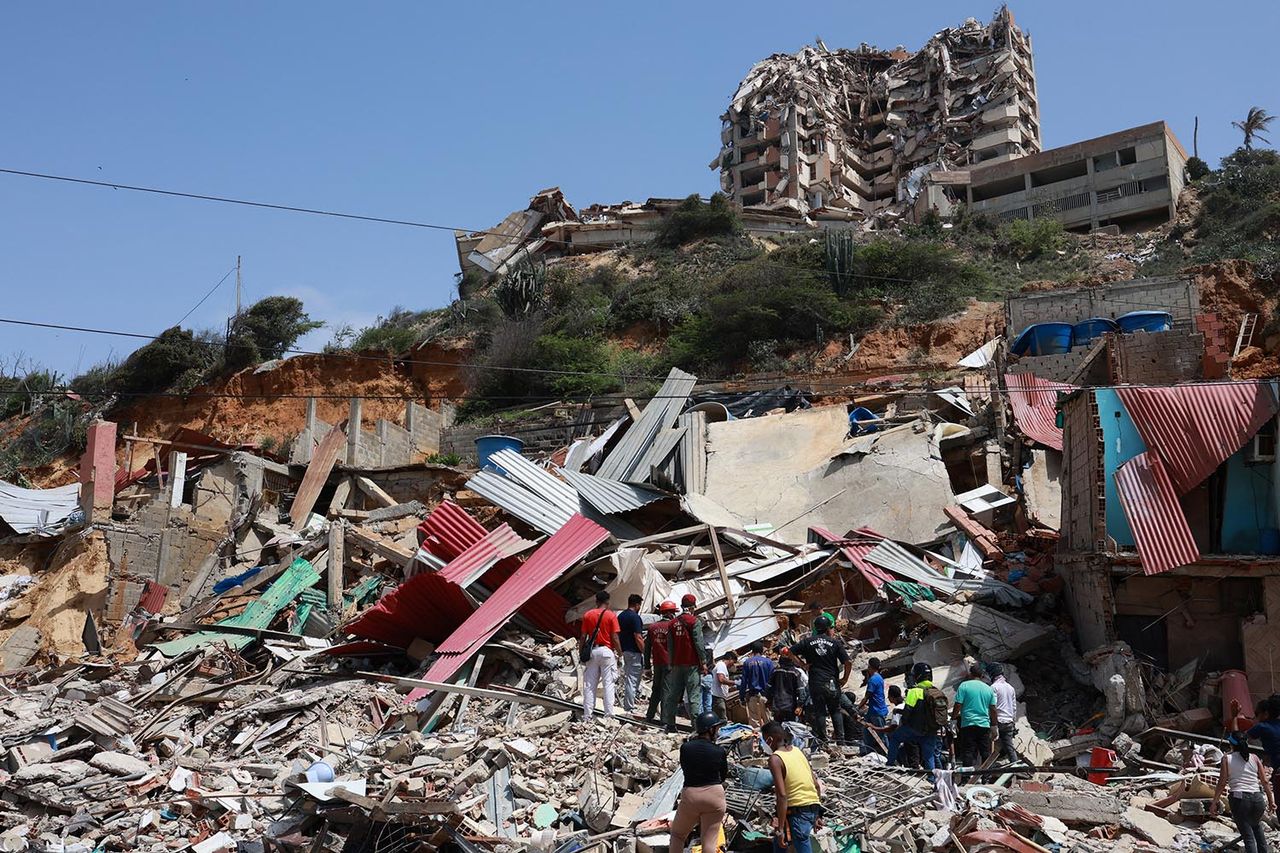
Credit: Javier Campos/NurPhoto via Getty
Following the disaster, Acting President Delcy Rodríguez promised to save “as many people as possible” as foreign search and rescue groups joined volunteer searchers and government teams in providing aid to the devastated communities, per The Guardian.
One paramedic, Rotny Bombart, told the outlet that he spent five hours searching for his mother, María Eugenia, in a collapsed tower block in La Guaira.
“It has 15 floors. Or rather, it used to, because there's nothing left of it now,” he said, according to The Guardian, claiming that emergency workers didn't arrive for quite some time, leaving desperate locals with no choice but to pick through the rubble with their bare hands. “You're prepared for emergencies, but not for this. Nothing prepares you for this.”
On Friday, search and rescue teams from Virginia, Florida and California were dispatched to Venezuela as part of the U.S. government's efforts to “assess needs and provide search and recovery assistance”.
Sign up for From the Editor, our free weekly newsletter from PEOPLE’s Editor-in-Chief, Charlotte Triggs.
“We're already deploying search and rescue teams from Fairfax County, Virginia and Los Angeles. There'll be some others we'll add,” U.S. Secretary of State Marco Rubio stated in his remarks to the press. “That's their most immediate need right now, is search and rescue efforts. They have much of collapsed buildings, and so they'll need a lot of help in terms of digging through that.”
“Those are the acute, like, short-term needs over the next 48 to 72 hours, because in search and rescue you're trying to get to people while you can still save their lives. They're buried under rubble,” he continued. “We have a whole-of-government response. It'll be big; it'll be fast; and it'll be effective.”
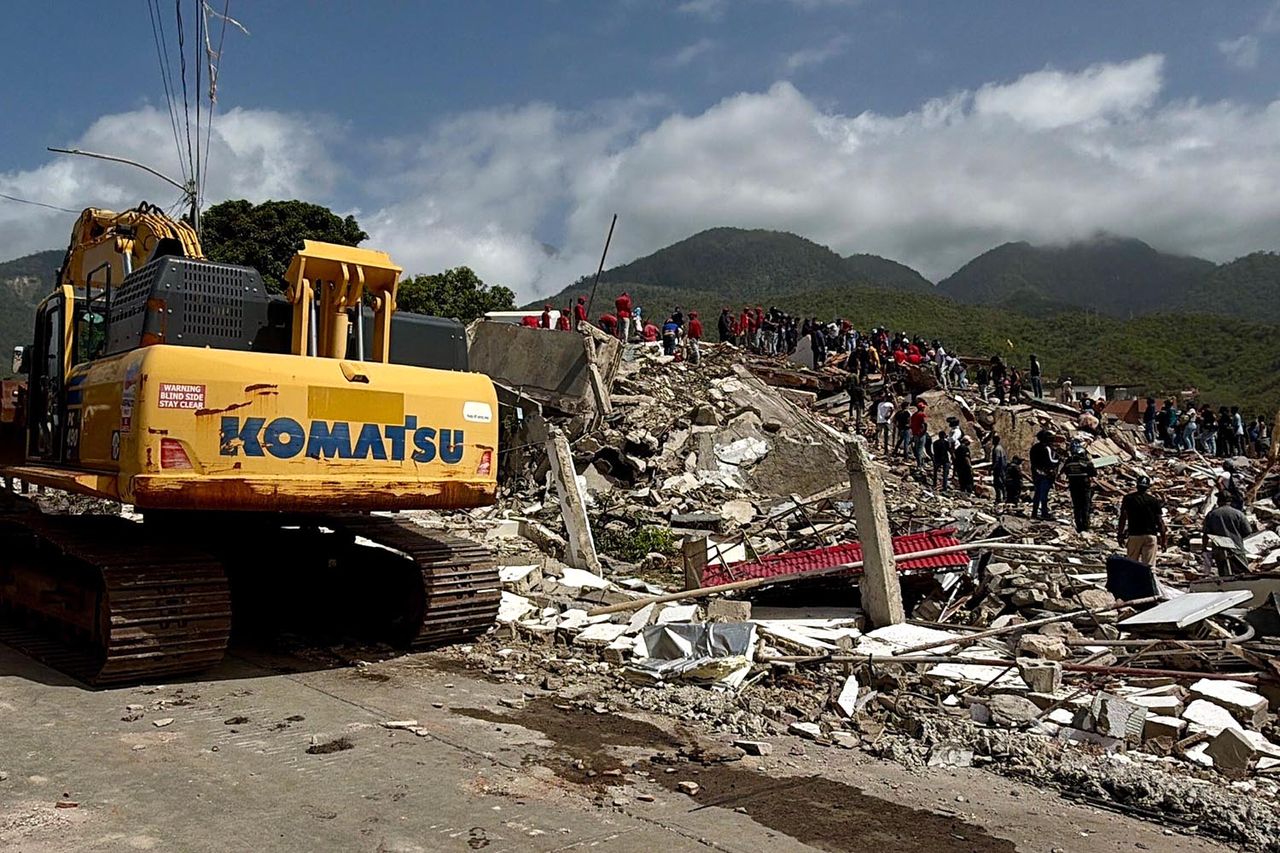
Credit: Julio Urribarri/Anadolu via Getty
The first 72 hours following an emergency event are the most crucial, according to Direct Relief.
"It's absolutely grim, it's devastating and for us we are driven on minute by minute, hour by hour, by the sound of the survivors underneath the rubble,” the UN's Tom Fletcher told BBC Radio 4. "We cannot pause for a second while we hear them, but the worst thing is when those voices go quiet. We're determined to save as many lives as we can."
Although many of the injured are now being treated in makeshift medical facilities, per the BBC, severe infrastructure damage and decades of underinvestment continue to delay the country's ability to provide timely rescue support.
"It's the community that has managed to get people out alive," Jennifer Palacios, a 25-year-old whose 6-year-old son remains buried in an eight-tower housing complex alongside five other relatives, told Reuters. "We need them to bring cranes to move the slabs. There are still people trapped."
Read the full article here