
“I never had the intention of becoming an entrepreneur… I was just trying to find a way to finally get inspired to get dressed again,” Rebecca Chen tells PEOPLE
Credit: Audrey Melton
NEED TO KNOW
- After struggling to find shoes that were both comfortable and stylish following a “serious” foot injury in 2023, Rebecca Chen began developing her own
- The 33-year-old living in New York City built the shoe with “foot-healthy” features in mind, while keeping its look sleek and wearable
- Over the years, what started as a personal solution grew into a brand for anyone who refuses to choose between “comfort and their self-confidence”
New Yorker Rebecca Chen was used to active days filled with walking, tennis, pickleball and rock climbing, and she wanted shoes that could keep up with a life that rarely followed a set schedule.
But when a figure-skating injury in September 2023 left her with a sesamoid fracture — a small bone fracture in the ball of the foot — it forced her to rethink not only what she put on her feet, but how she dressed altogether. Comfortable sneakers quickly became a reliable part of her recovery, but eventually left her craving something more stylish.
“Ultimately, dressing in a way that makes me feel my best has always been incredibly important for my confidence and my creativity,” Chen, 33, tells PEOPLE exclusively. “I was tired of dressing defensively, or dressing like I was injured.”
Before her injury, Chen had built her wardrobe around versatility as much as her lifestyle. She could leave home in the morning without knowing exactly where the day would take her, which made footwear an important part of feeling put together from one plan to the next.
“I would say I’m the quintessential day-to-night urbanite,” Chen says. “When I leave my house, I often dress for a day that could start with brunch plans and then evolve into spontaneous drinks and a show after.”
Her injury, however, took place while she was figure skating. She felt a shooting sensation in the bottom of her foot and took off her skate boot to find a “swollen lump” at the ball of her foot. The location made recovery particularly difficult because avoiding pressure there is nearly impossible in everyday life.
“Sesamoid injuries are extremely tricky to heal because it’s almost impossible to completely offload the bottom of your foot if you’re not driving everywhere or relying on a knee scooter,” Chen says. “Your feet carry you everywhere!”

Credit: Rebecca Chen
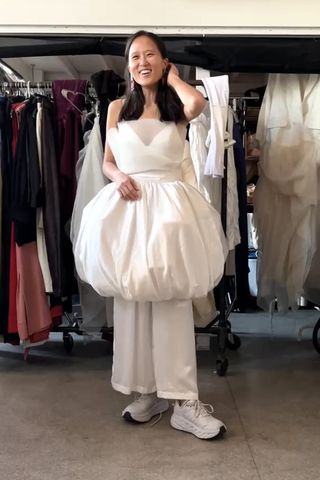
As a result, sneakers became the practical answer during that period in time. Their cushioning helped Chen manage the demands of walking around the city, while a wide-width option gave her more room around her toes and helped reduce pressure at the front of her foot.
But as her recovery continued, she became more specific about what she needed from a shoe.
“While HOKA’s ultra-cushioned sole was helpful for my recovery process, ultimately I realized that I needed a sole that was completely zero-drop — meaning that the heel and the ball of the foot are on the same plane, rather than the heel being slightly elevated — to completely relieve the pressure in my sesamoid area,” Chen explains.
Never miss a story — sign up for PEOPLE’s free daily newsletter to stay up-to-date on the best of what PEOPLE has to offer, from celebrity news to compelling human interest stories.

Credit: Sandy Soohoo
That realization became especially frustrating as she tried to return to her usual style.
Since she had to avoid heels, Chen was in search of footwear that looked intentional, felt good and could handle the amount of walking that came with her life.
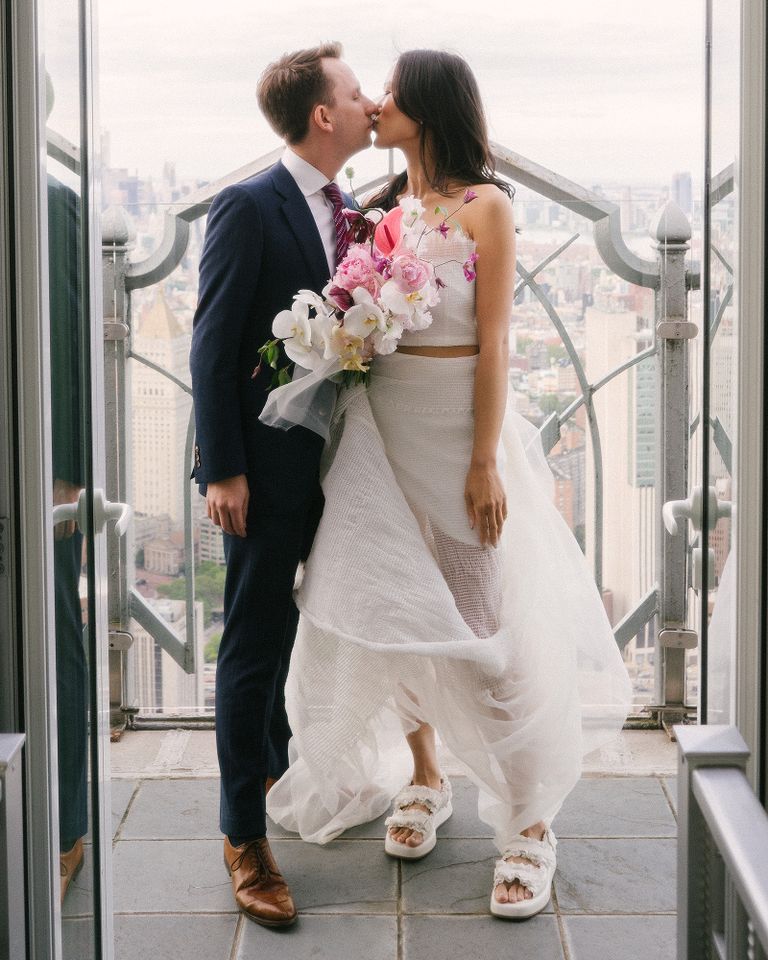
Her courthouse wedding in August 2023 was the last time she wore heels before the injury, and by her May 2024 wedding, even sandals still left her with blisters and pain after seemingly simple activities like taking photos and sitting down for dinner.
Rather than accept that “comfort” meant sacrificing her “self-confidence,” as well as the rest of her wardrobe, Chen began looking for a different solution.
Credit: Rebecca Chen
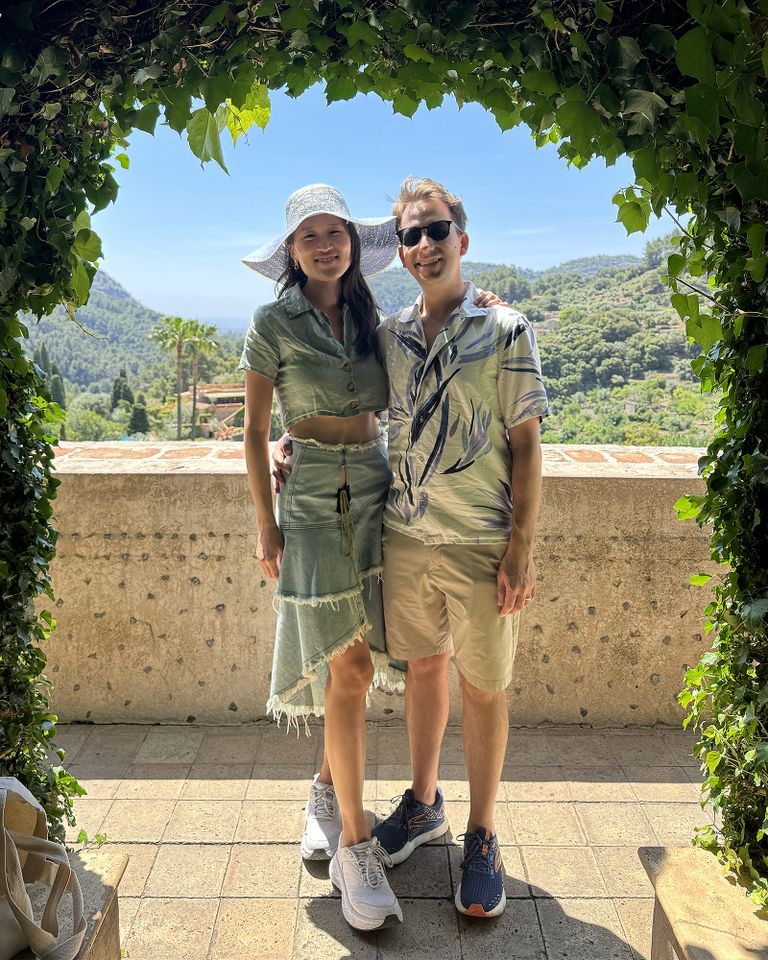
She took private shoemaking lessons with Keiko, founder of Brooklyn Shoe Space, learning the craft while also exploring how different foot shapes affect how shoes should be built. That process helped her understand that a shoe could have a wider toe area without simply becoming wide everywhere.
“While a lot of Asians have this foot shape [wider toe box, narrower heel], it’s actually very common in a lot of women, yet many shoe lasts are still based on men’s feet, who typically have a wider, less cupped heel,” Chen explains.
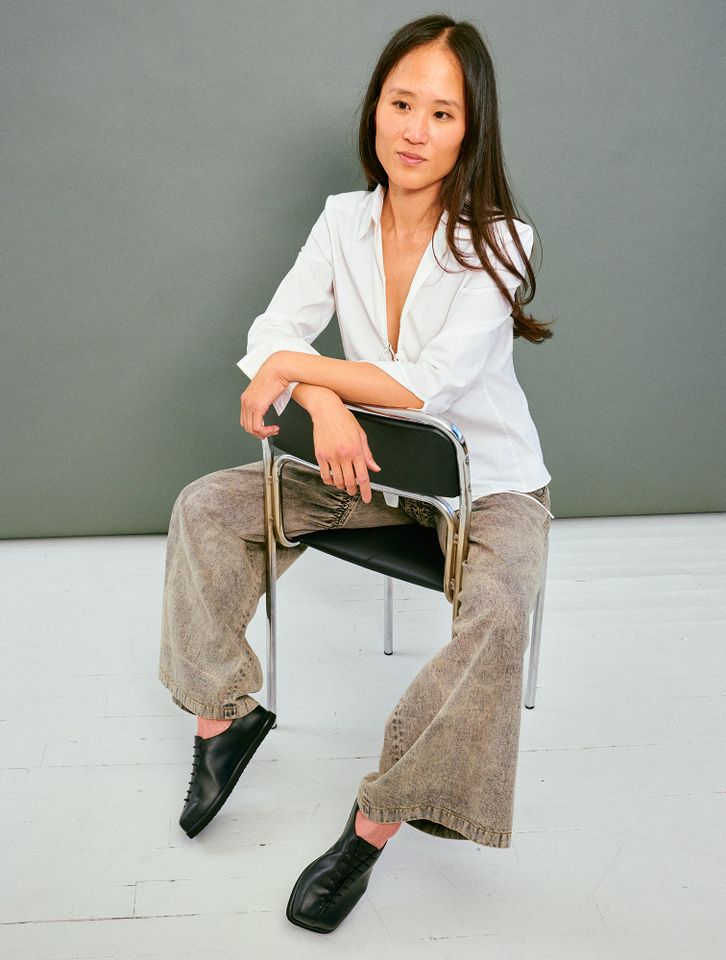
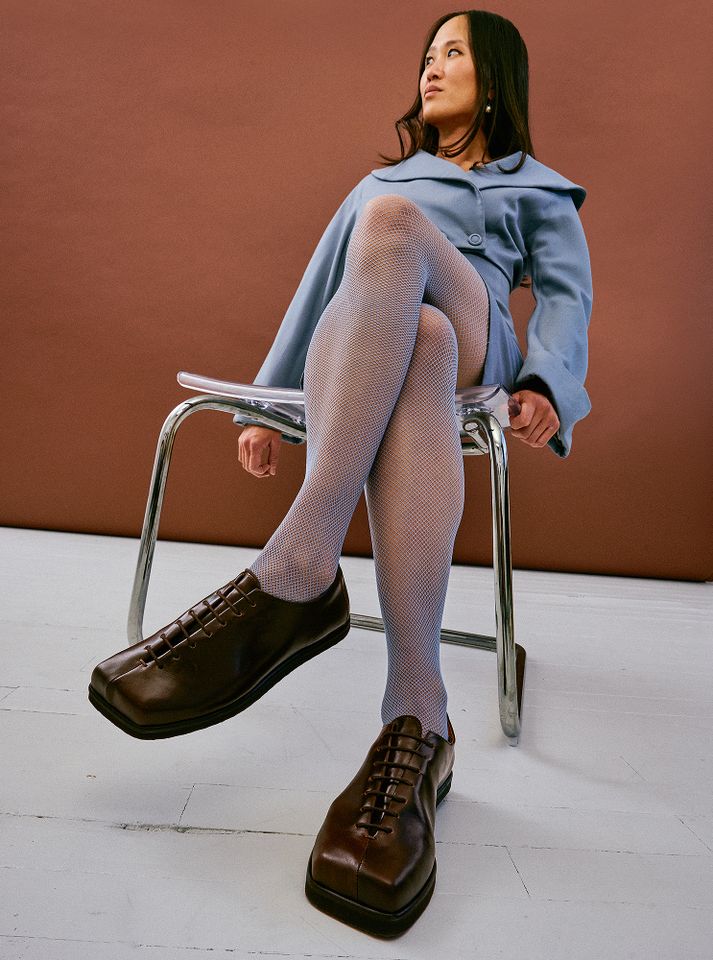
It was after her lessons that her ideal shoe began to take shape around a few essentials: a foot-shaped wide toe box, a snug heel, a lightweight cushioned sole and zero drop — a flat sole with no added height at the heel.

Credit: Audrey Melton
Just as important, the shoe had to look like something Chen would genuinely want to wear.
“Given that there were no shoes in the market that…were not sneakers and cute enough such that I would actually want to reach for them in my wardrobe, I knew that I had to build it myself,” she admits.
Chen also refused to treat the wider toe box as a design limitation. Instead, she saw an opportunity to make it part of the shoe’s identity.
“The problem with most wide toe box and barefoot shoes is that they don’t really think about all the interesting design shapes that can be made with a wider toe box,” she reveals. “I really chose to lean into the wide toe box as a unique design element to be embraced, rather than an obstacle to overcome.”

Credit: Audrey Melton
Admittedly, Chen says her first pair of shoes was never intended to be sold.
It was only after a stranger stopped her on the street to ask where she had bought them that she realized her desperate search for a better shoe was not hers alone.
“I never had the intention of becoming an entrepreneur, so the idea of commercializing this really was not in my mind when I made my first pair,” Chen says. “I was just trying to find a way to finally get inspired to get dressed again.”
That moment became “rocket fuel” for Chen as she began developing amatoe, a shoe brand built around the idea that foot health and personal style don’t have to compete.
According to Chen, the name comes from the Italian word “amato,” meaning loved one, a fitting connection for a brand centered around “giving love to your toes, which most shoes sadly don’t.”

Credit: Audrey Melton
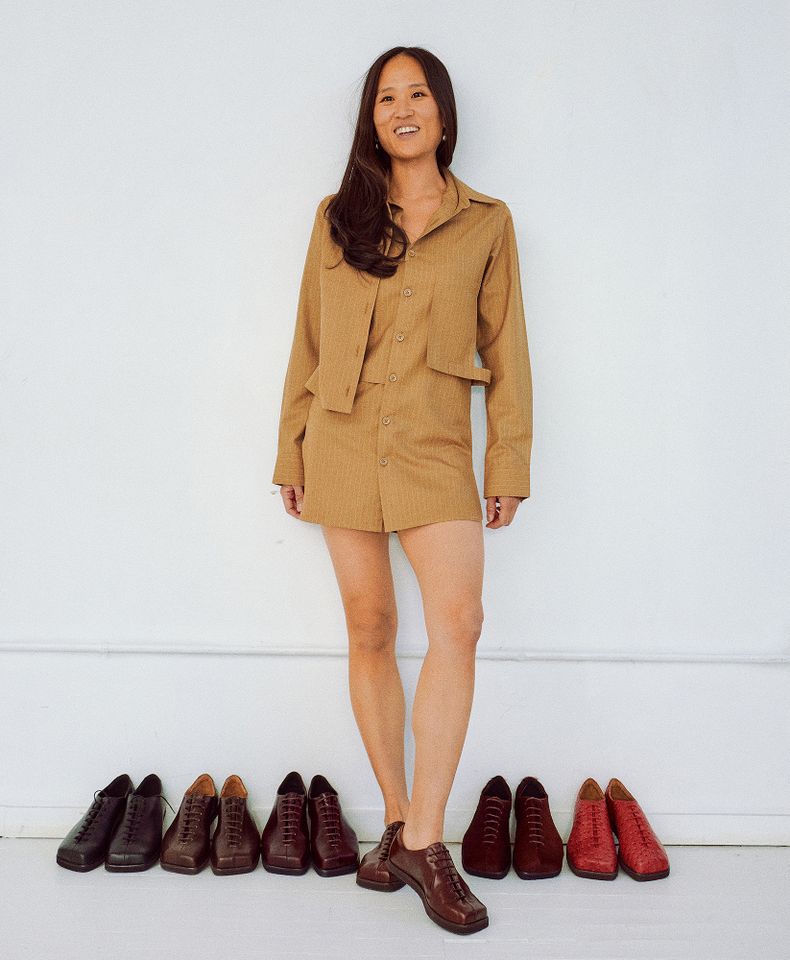
Today, Chen sells amatoe online. Her Maxey flats are currently on pre-order for $295 and are available in black, oxblood, chestnut and espresso brown — colors she chose deliberately for their ability to work across a wardrobe.
“I was very intentional about the colorway,” she shares. “I wanted to choose neutrals that would go with pretty much anything in your wardrobe, without feeling ‘basic.’”
The result is a brand born from an injury, but shaped by a much broader frustration: the feeling that comfortable shoes require a person to compromise their style. For Chen, the answer is not to dress around the problem, but to rethink the shoe itself.
“Creating amatoe has really crystallized for me why amatoe exists — for people to give love to their toes without asking their style to shrink,” she tells PEOPLE.
Read the full article here