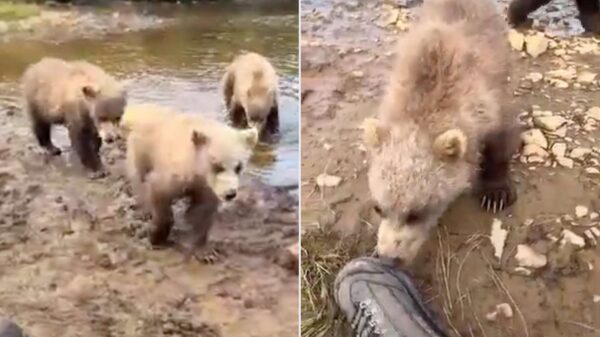






Conservationists say the bears, believed to have been taken from the wild as cubs, will require lifelong care after years spent in cramped cages
Credit: getty
NEED TO KNOW
- Conservationists rescued 27 moon bears from a Laos bear bile farm facility allegedly pretending to operate as a zoo
- The bears, likely taken as cubs, face lifelong care due to physical and psychological trauma from cramped captivity
- Free the Bears needs $300,000 to expand its sanctuary and provide long-term care for the rescued animals
Twenty-seven young moon bears have been rescued from an illegal bear bile farm in Laos, in what conservationists are calling one of the largest bear farm rescues in Southeast Asia.
According to international conservation organization Free the Bears, the rescue was conducted in partnership with authorities in Laos after officials shut down a foreign-owned facility that had been operating under the guise of a zoo while allegedly extracting bile from captive bears for commercial use.
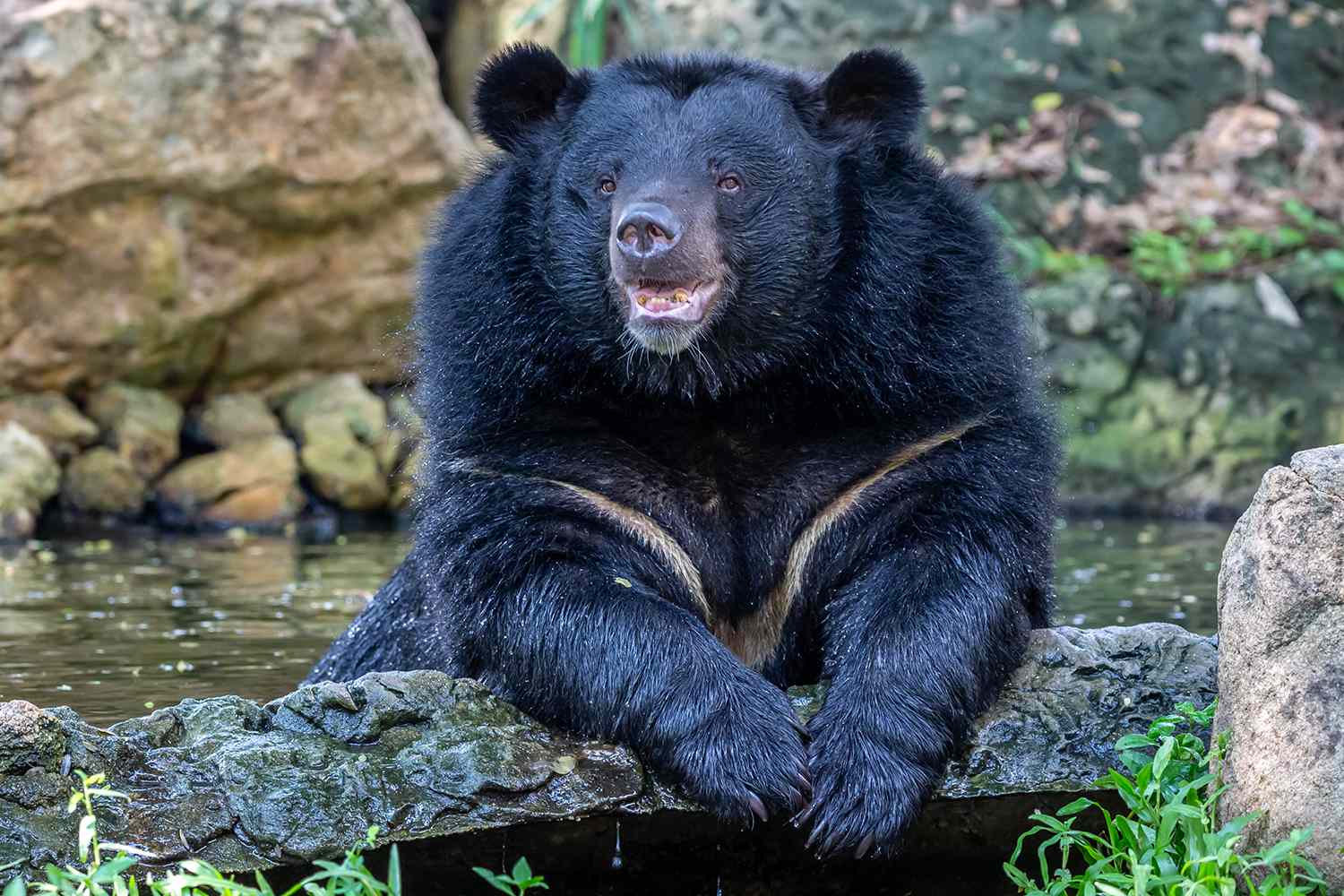
The rescued moon bears, also known as Asian black bears, are believed to be between 1 and 3 years old. Conservationists say the bears were likely taken from the wild as cubs.
“What we found here was deeply confronting, not just because of the 27 bears already suffering inside these cages, but because of what this facility was clearly hoping to become,” Free the Bears CEO Matt Hunt said in a statement.
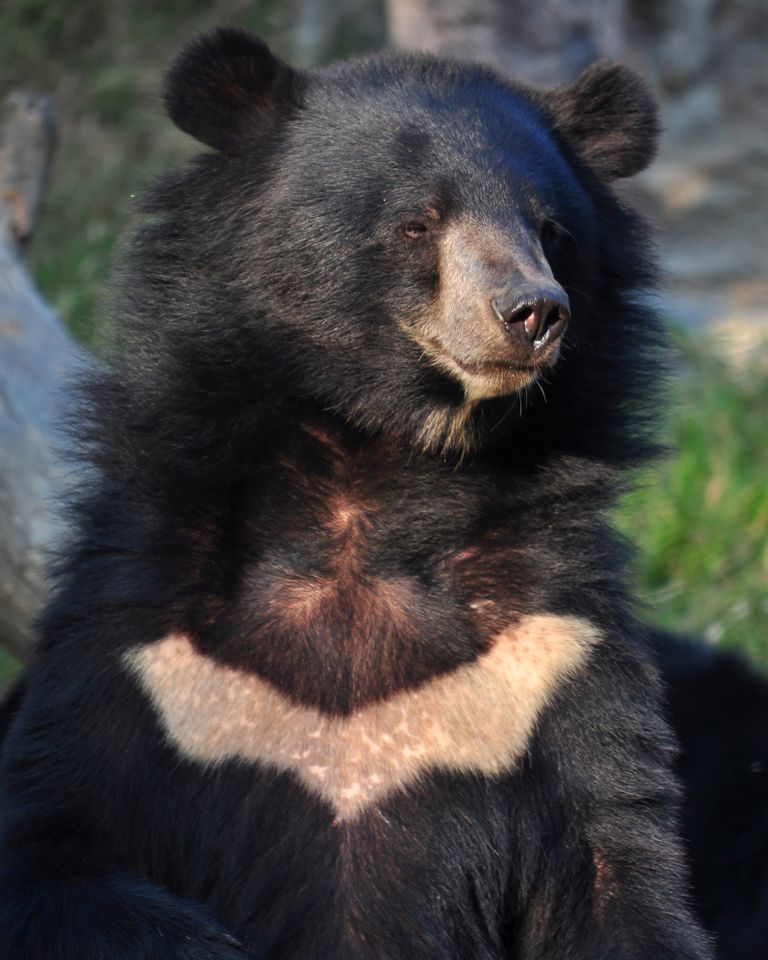
Credit: getty
“The scale of expansion planned would have been catastrophic. By shutting this operation down now, we’ve been able to stop that from becoming a reality.”
According to the organization, rescuers found sufficient infrastructure at the site to house up to 200 bears. Authorities suspected the operation was preparing for a major expansion before the intervention.
Free the Bears said the rescued moon bears have since been transferred to its Luang Prabang Wildlife Sanctuary, in Ban Long, Laos, where they will join more than 150 other rescued bears.
“No animal should endure such cruelty, and we’re so glad we can now bring these 27 bears to the safety of our sanctuary,” Hunt said.
Bear bile farming involves extracting bile from a live bear’s gallbladder for use in some forms of traditional medicine. According to Free the Bears, the practice often leaves bears confined to cages so small they can barely move while suffering from infections, damaged joints, cracked teeth, muscle loss, psychological trauma and premature death.
While bear bile has historically been used in some traditional remedies, conservationists note that synthetic and plant-based alternatives are now widely available, eliminating the need to obtain bile from captive bears.
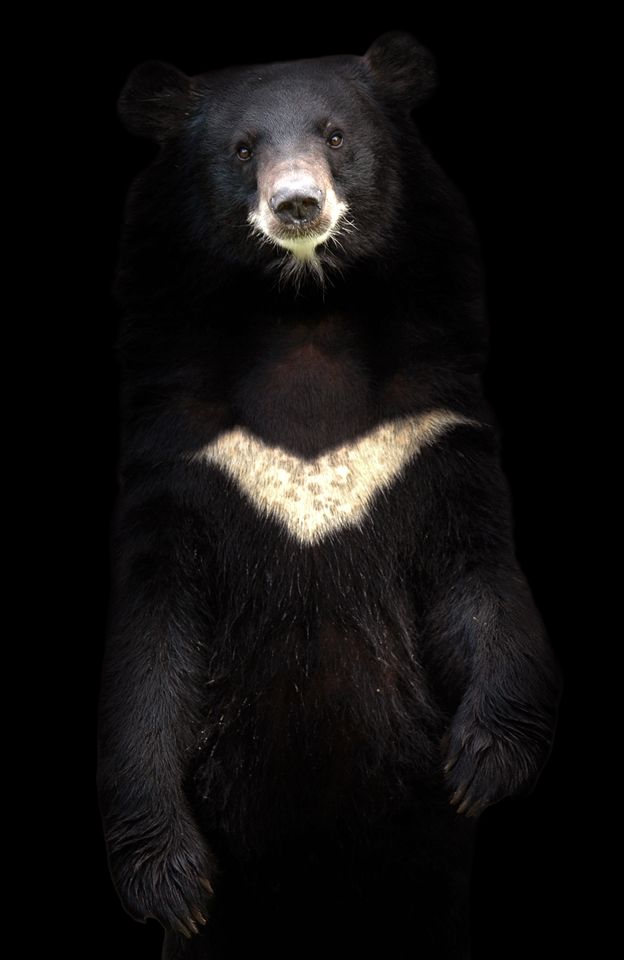
Credit: (Photo: Shutterstock)
According to Mongabay, the illegal facility was allegedly registered as a zoo to avoid regulatory oversight while operating as a commercial bile extraction site.
The rescue comes after Laos strengthened its wildlife laws in 2023, making the commercial trade and exploitation of moon bears illegal. However, conservationists say illegal trafficking persists, with some sellers shifting to online platforms that are more difficult to monitor.
Unfortunately, the rescued bears cannot return to the wild.
Chris Shepherd, senior conservation advocate with the Center for Biological Diversity, told the outlet that cubs taken from their mothers miss the critical years when they learn essential survival skills.
“They therefore lack the skills they need to survive on their own,” Shepherd said, adding that many bears rescued from bile farms are so physically weakened by years in cramped cages that survival in the wild would be “impossible.”
Instead, the bears will require lifelong care at the sanctuary. Free the Bears estimates it must raise about $300,000 to expand its facility with additional land, enclosures, staff and resources to accommodate the new arrivals.
Never miss a story — sign up for PEOPLE’s free daily newsletter to stay up-to-date on the best of what PEOPLE has to offer, from celebrity news to compelling human interest stories.
The organization says each rescued bear can live for 30 years or more under professional care, with lifetime food, enrichment and veterinary treatment costing more than $150,000 per bear.
“This rescue is an incredible milestone, but it also represents a long-term commitment to every one of these bears,” Hunt noted. “We’re ready to give them safe, healthy lives they deserve. But we really can’t do it alone.”
Read the full article here