


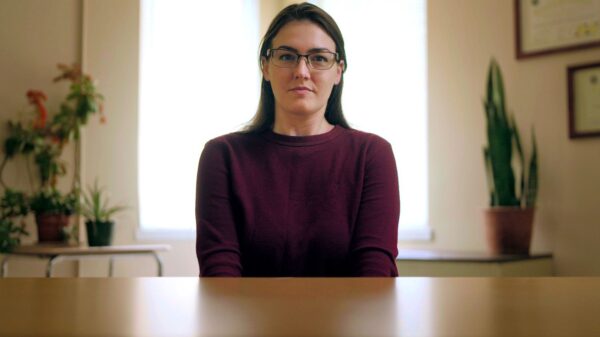


"We knew that if we didn't separate them, both would die,” said Dr. Gordon Thomas, a pediatric transplant surgeon
Credit: ABC News (Australia)/YouTube
NEED TO KNOW
- A rare set of conjoined twins, Tom and Sawong, were joined at the lower abdomen, sharing a single liver and parts of their gastrointestinal tract
- Since Tom’s congenital heart defect and small lungs relied heavily on his brother to keep him alive, doctors determined that separation was the only way to save at least one of the twins
- “Eventually, Tom sacrificed for Sawong because he could not survive on his own,” said the boys’ mom
After a rare set of conjoined twins reached a “critical level” due to the smaller twin's congenital heart defect and lungs posing a threat to both of their lives, doctors and surgeons spent eight hours separating the pair in the operating room.
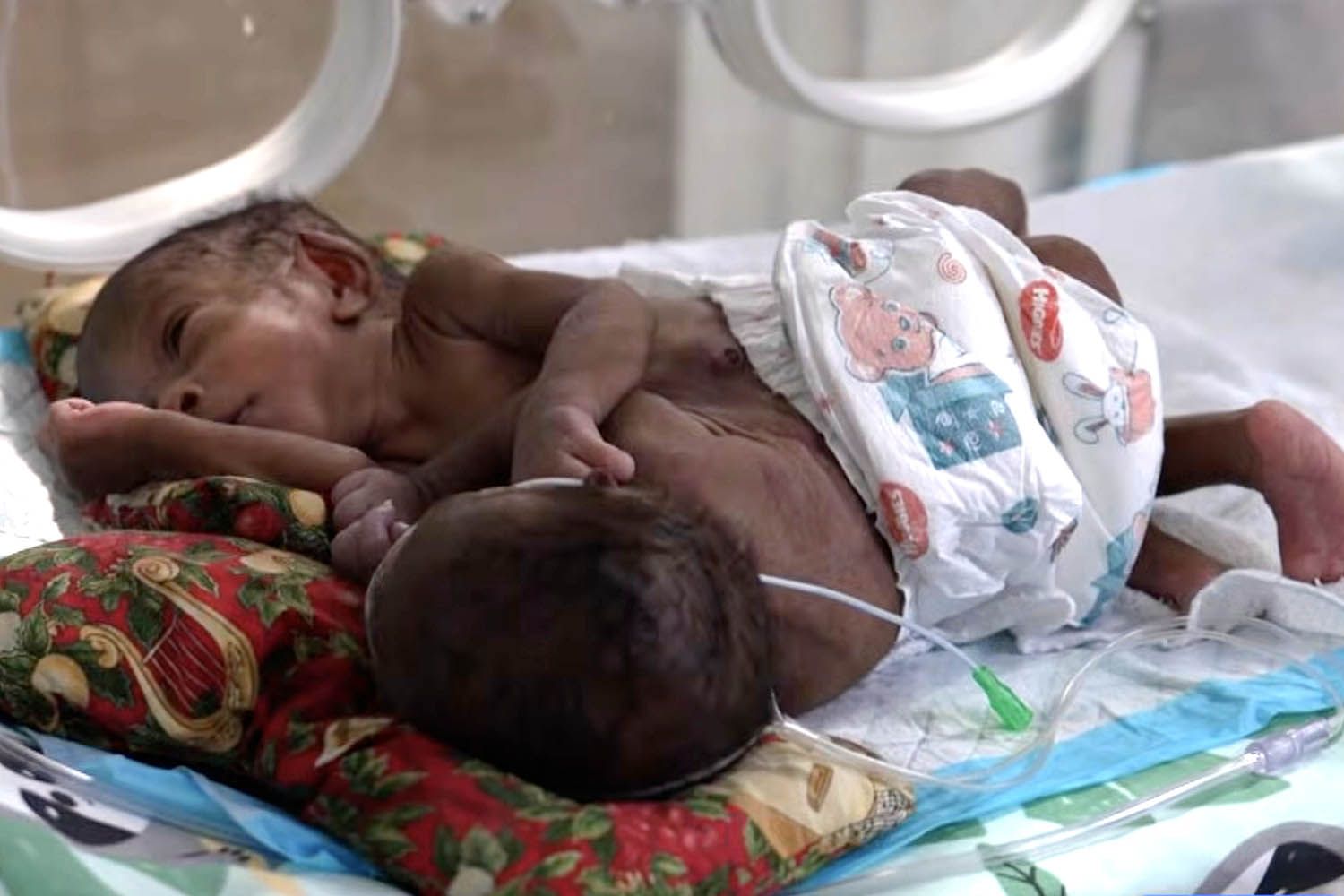
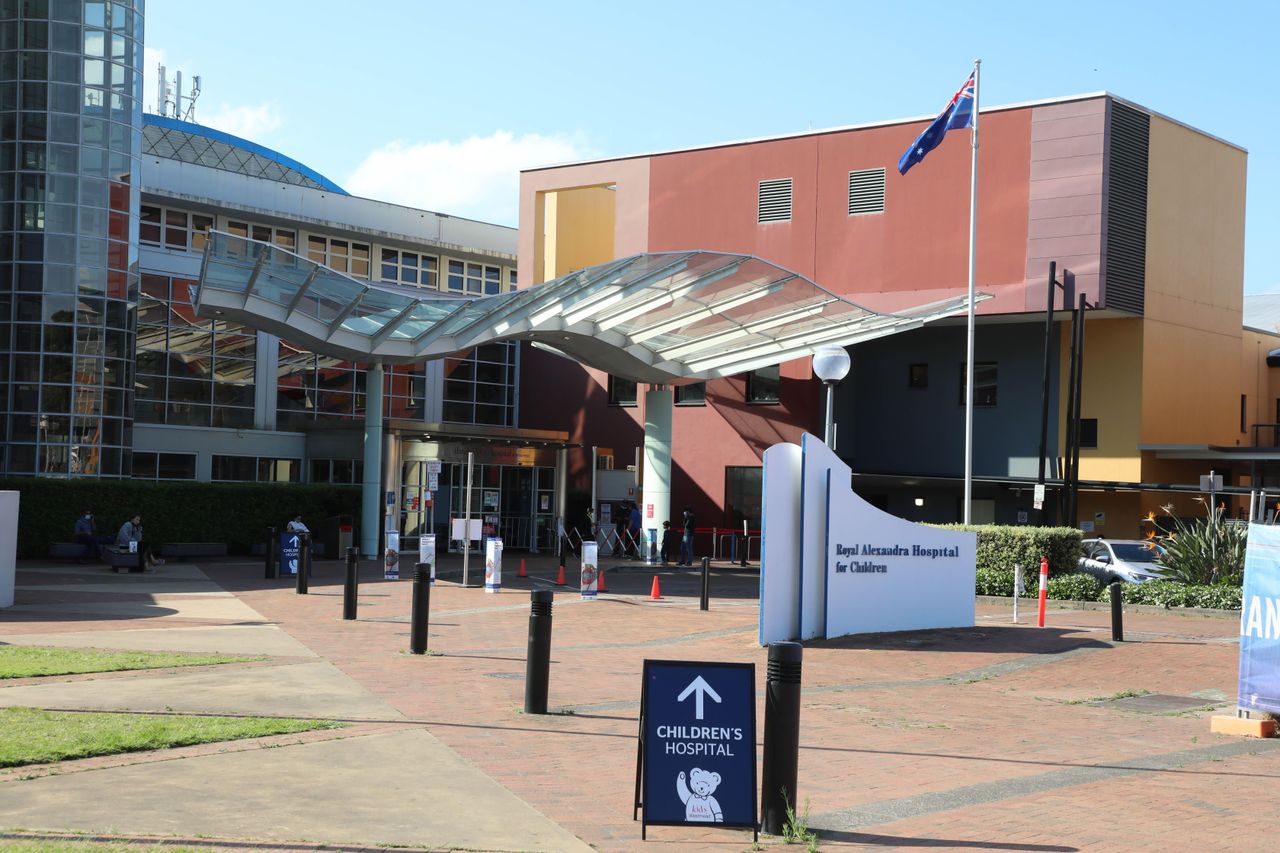
Tom and Sawong, who were born on Oct. 9 in a remote part of Papua New Guinea (PNG), were joined at the lower abdomen at birth, sharing a single liver and parts of their gastrointestinal tract, according to the Australian Broadcasting Corporation (ABC). Following weeks of tense negotiations, their doctors and families arranged for them to undergo highly complex surgery at a children's hospital in Australia.
"There's nothing in the textbooks about a situation like this," Dr. Gordon Thomas, a pediatric transplant surgeon at The Children's Hospital at Westmead, told ABC of the rare situation. "Every case of conjoined twins is unique in its own way."
"We had lots of unusual clinical findings in the twins that we had to understand," he continued, highlighting that his team spent days determining whether or not the twins could be safely separated. "For instance, Tom's upper part of the body was completely blue, but the rest of his body was pink. How do you explain that?"
Credit: Richard Milnes/Alamy Stock Photo
Tom and Sawong shared a liver, part of their gastrointestinal tracts and major blood vessels, which Dr. Thomas said presented “complex and difficult problems to solve.” Tom's congenital heart defect and small lungs also relied heavily on his brother to keep him alive.
"We could see Sawong breathing very fast,” Dr. Thomas explained to ABC. “We could see him really hungry. We could see his heart beating very fast because he was actually doing the work of two.”
After hours of examinations, medical professionals came to the conclusion that Tom's abnormalities were “incompatible with life,” and that the only way to save either of the twins was to focus on Sawong, who had the best chance of surviving.
"We saw a little baby who had a very good chance of survival, provided we could do a safe separation," Dr. Thomas said of the infant. "We knew that if we didn't separate them, both would die."
In order to give Tom the best chance of survival, a team of doctors worked to carefully move the twins from Papua New Guinea to Sydney, Australia, ABC reported.
According to Tracey Lutz, a retrieval specialist and neonatologist, the journey was not an easy one.
"It was always going to be a challenging mission because of the distance," she told the outlet. "It took us over five hours out-of-hospital time."
Never miss a story — sign up for PEOPLE's free daily newsletter to stay up-to-date on the best of what PEOPLE has to offer, from celebrity news to compelling human interest stories.
Upon arrival at the children's hospital, a team of doctors — including five specialist surgeons, a large team of anaesthetists, surgical nurses and other staff — were met with a few more complications: the boys shared “unique” liver anatomy and major blood vessels, making for a more “urgent separation” than they had initially thought.
While doctors were able to separate the twins after eight hours in the operating room, Tom died after the separation.
"I cannot forget the moment I lost Tom. It is like an open wound," his mom, Fetima Tinggar, told ABC. "I hoped that both would survive. But eventually, Tom sacrificed for Sawong because he could not survive on his own. So he had to go."
Dr. Thomas said Sawong did “much better than we thought” following the operation. He added that it is unlikely the child will need more major surgeries.
"You take a lot of responsibility for putting your hand up to help in a situation like this,” he stated. "If it's a bad outcome, it's hard for yourself and for the family. If it's a good outcome, that's the best reward you can get. And this has been a great outcome."
"Everyone loves him," Dr. Thomas added of Sawong, whose family is preparing his return to Papua New Guinea. “He's a superstar.”
Read the full article here