






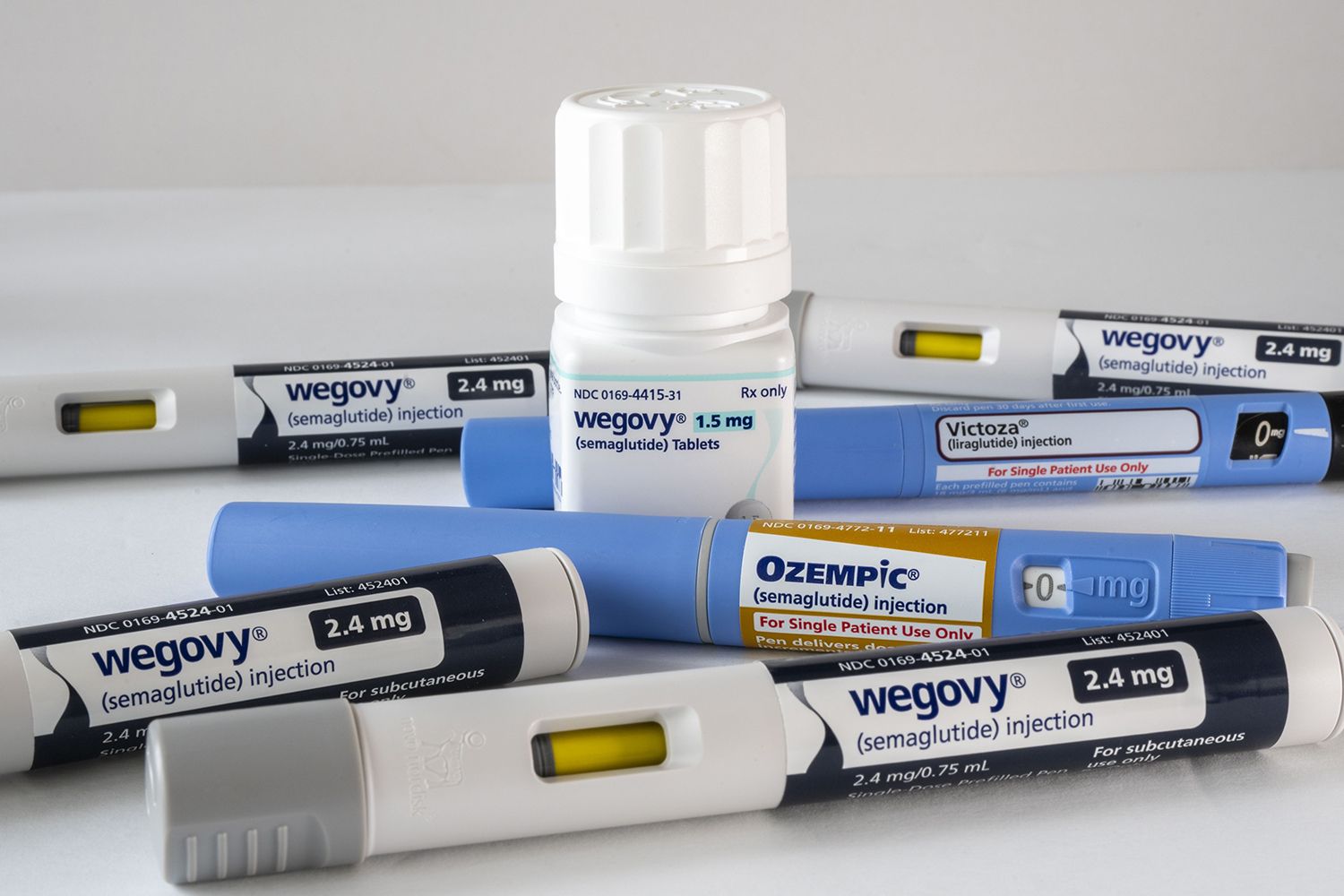
GLP-1 medications were initially developed and prescribed to help manage blood sugar in people with Type 2 diabetes
Credit: Michael Siluk/UCG/Universal Images Group via Getty
NEED TO KNOW
- GLP-1 drugs may reduce cancer progression in patients with certain obesity-related cancers like lung, breast, colorectal and liver cancers, a new research has found
- Researchers analyzed over 10,000 cancer patients and found those taking GLP-1 medications had lower rates of metastatic progression
- Lead study author Mark David Orland, of the Cleveland Clinic, said the study “provides early evidence that future studies are worth pursuing”
Medications commonly used to treat diabetes and induce weight loss may reduce the risk of cancer progressing, new research has suggested.
GLP-1 medications, like Ozempic and Wegovy, may possibly slow down the spread of certain obesity-related cancers — like lung, breast, colorectal and liver cancers — according to a report published by the American Society of Clinical Oncology (ASCO) Post on Thursday, May 21.
“Our study found that use of GLP-1 drugs, compared to DPP-4 inhibitors and other antidiabetic drugs, was associated with a meaningful reduction in cancer progression across four solid tumor types,” said lead study author Mark David Orland, MD, of Taussig Cancer Institute, Cleveland Clinic, per the release.
“It provides early evidence that future studies are worth pursuing,” he added.
GLP-1 medications were initially developed and prescribed to help manage blood sugar in people with Type 2 diabetes and, more recently, to induce weight loss by suppressing appetite and increasing feelings of fullness, according to the National Academy of Medicine. However, researchers have been studying additional effects of the medication.
Credit: Getty
In the latest research, scientists analyzed more than 10,000 people in the TriNetX Global Health Research Network database who had been diagnosed with breast, colorectal, kidney, liver, lung, pancreatic and prostate cancers and started taking GLP-1 drugs after their diagnosis, according to the ASCO Post.
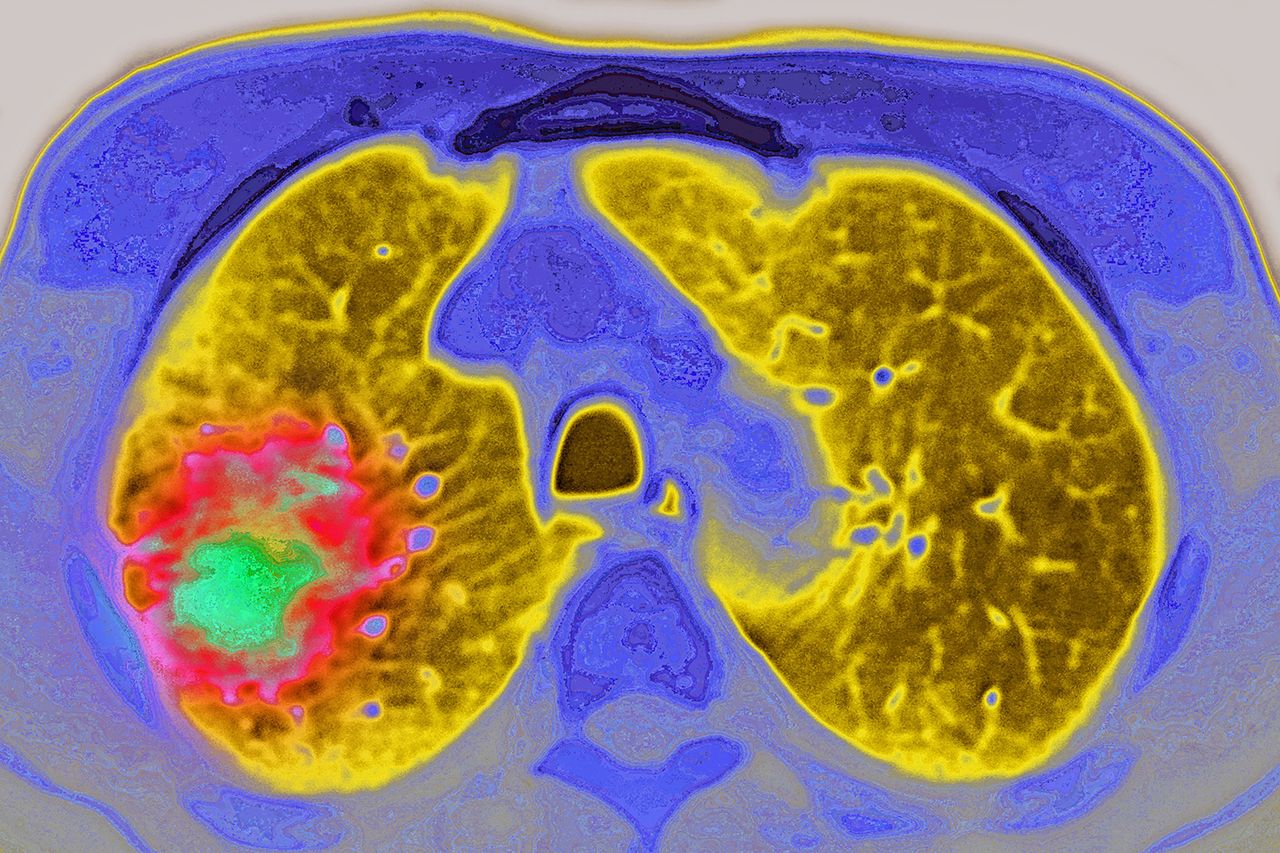
Researchers found that patients who took GLP-1 drugs appeared to have lower rates of metastatic progression in all of the cancers except for kidney cancer. However, only four of the seven cancers — breast, colorectal, liver and non-small cell lung cancer — had a statistically significant reduction, per NBC News.
Credit: Cavallini James/BSIP/Universal Images Group via Getty
It is unclear whether those involved in the study were prescribed the medication for diabetes or obesity.
Researchers matched those taking GLP-1 medications to people with the same type and stage of cancer and factors such as obesity or smoking, per the outlet. Those in the control group started taking a different Type 2 diabetes drug called a DPP-4 inhibitor after their cancer diagnosis.
The study from the Cleveland Clinic also found that it was 50% less likely for patients with stage 3 lung cancer that were taking GLP-1s to progress to stage 4 compared to those taking DPP-4 inhibitor, which is a class of oral medications used to treat Type 2 diabetes by helping the body release more insulin after meals, according to the outlet, which cited the study.
Patients with breast cancer who were also taking GLP-1s saw a 43% less chance of the cancer progressing, the outlet reported.
Never miss a story — sign up for PEOPLE's free daily newsletter to stay up-to-date on the best of what PEOPLE has to offer, from celebrity news to compelling human interest stories.
Orland said, per NBC News, that he suspected the benefits observed were “likely related to the drug itself,” rather than from a patient’s diabetes or obesity being better controlled. However, further clinical trials would need to be done to prove the connection between GLP-1s and cancer progression.
The research, which is not yet published in a peer-reviewed medical journal, will be presented at the American Society of Clinical Oncology’s annual meeting next week, per the outlet.
The news comes after a recent study in March found that people taking GLP-1 medications were less likely to require hospital care or take extended leave from work due to psychiatric conditions.
Researchers looked at nearly 100,000 individuals in Sweden between 2009 and 2022, including more than 20,000 people who used GLP-1 medications, and they observed that during periods when the patients were taking GLP-1 drugs, they were significantly less likely to experience worsening mental health.
Read the full article here