


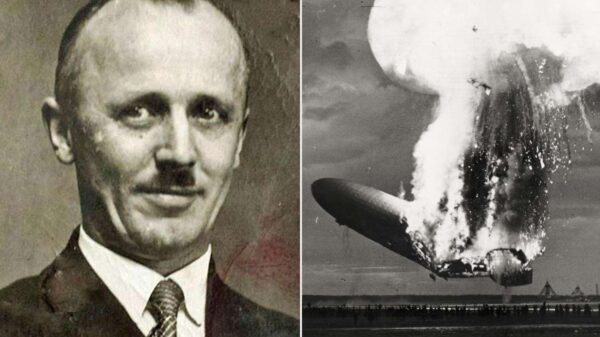



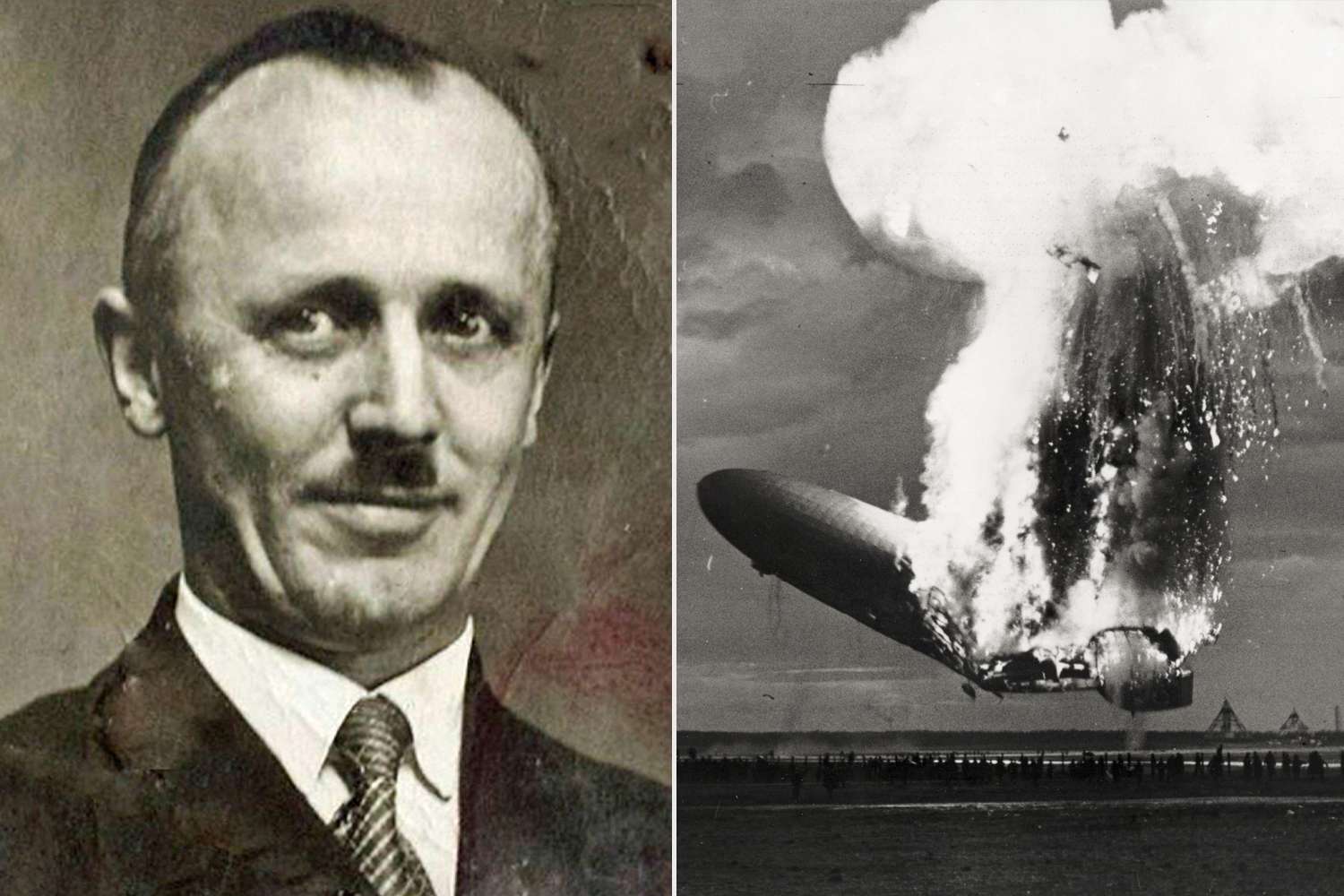
Chief steward Heinrich Kubis was in the dining room during the explosion and encouraged passenger to jump out the window before he exited the aircraft himself
Credit: piemags / Alamy Stock Photo; Photo12/Universal Images Group via Getty
NEED TO KNOW
- Heinrich Kubis, the world’s first flight attendant, helped passengers escape the Hindenburg during its 1937 disaster
- Kubis, a former luxury hotel steward, joined the airship industry in 1912 and became chief steward on the Hindenburg
- Stationed in the dining room during the explosion, Kubis encouraged passengers to jump out of a window before he exited the aircraft himself
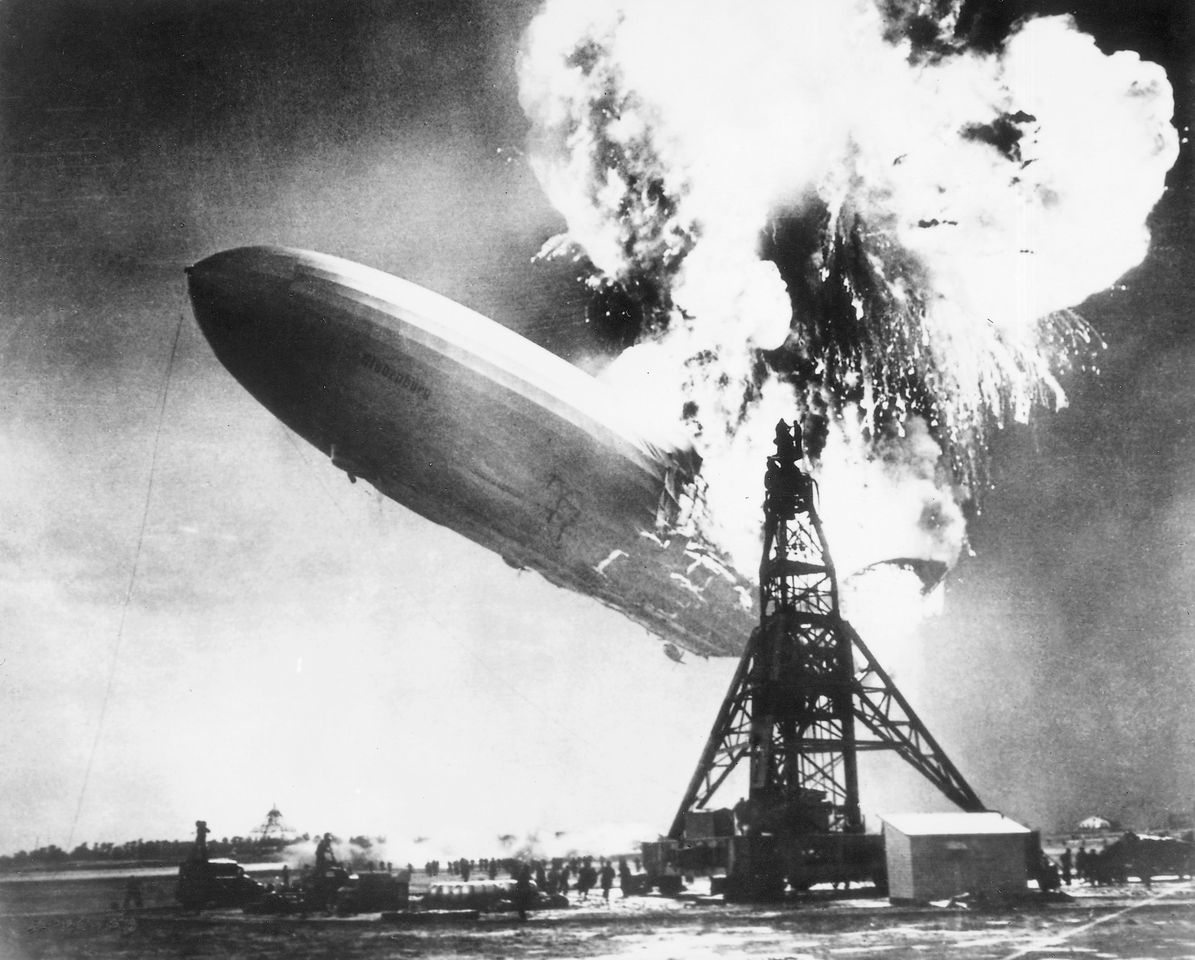
As the luxury airship Hindenburg turned into a fireball above Lakehurst, N.J., in May 1937, chief steward Heinrich Kubis kept his cool amid the inferno, risking his life to lead passengers to safety before the doomed craft crashed to Earth.
A native of Germany, Kubis was born in 1888 and spent much of his early career working in the European luxury hotel industry. His profession would take him to the Hôtel Ritz in Paris and the Carlton Hotel in London before moving his services to the sky.
In 1912, he began working for German airship company DELAG on board a Zeppelin LZ-10 Schwaben, according to Guinness World Records. At the time, he largely worked alone before an assistant steward joined on board a 20-passenger LZ-127 Zeppelin. He is still considered the world’s first flight attendant.
Credit: DEA PICTURE LIBRARY/Getty
Kubis was later promoted to chief steward on the LZ-129 Hindenburg, a groundbreaking airship that drastically reduced transatlantic travel time. In the role, he oversaw a team of male attendants. The aircraft conducted its first flight in May 1936 and completed a total of 17 successful one-way transatlantic crossings in its first season — 10 to North America and seven to South America.
However, on May 6, 1937, as the aircraft was approaching Lakehurst Naval Station’s mooring mast between storms, the Hindenburg burst into flames. Within 34 seconds, fire consumed the entirety of the hydrogen-filled vehicle. It forced many passengers and crew members to fall to their death. In the end, 35 people on board the airship and one member of the ground crew died in the incident.
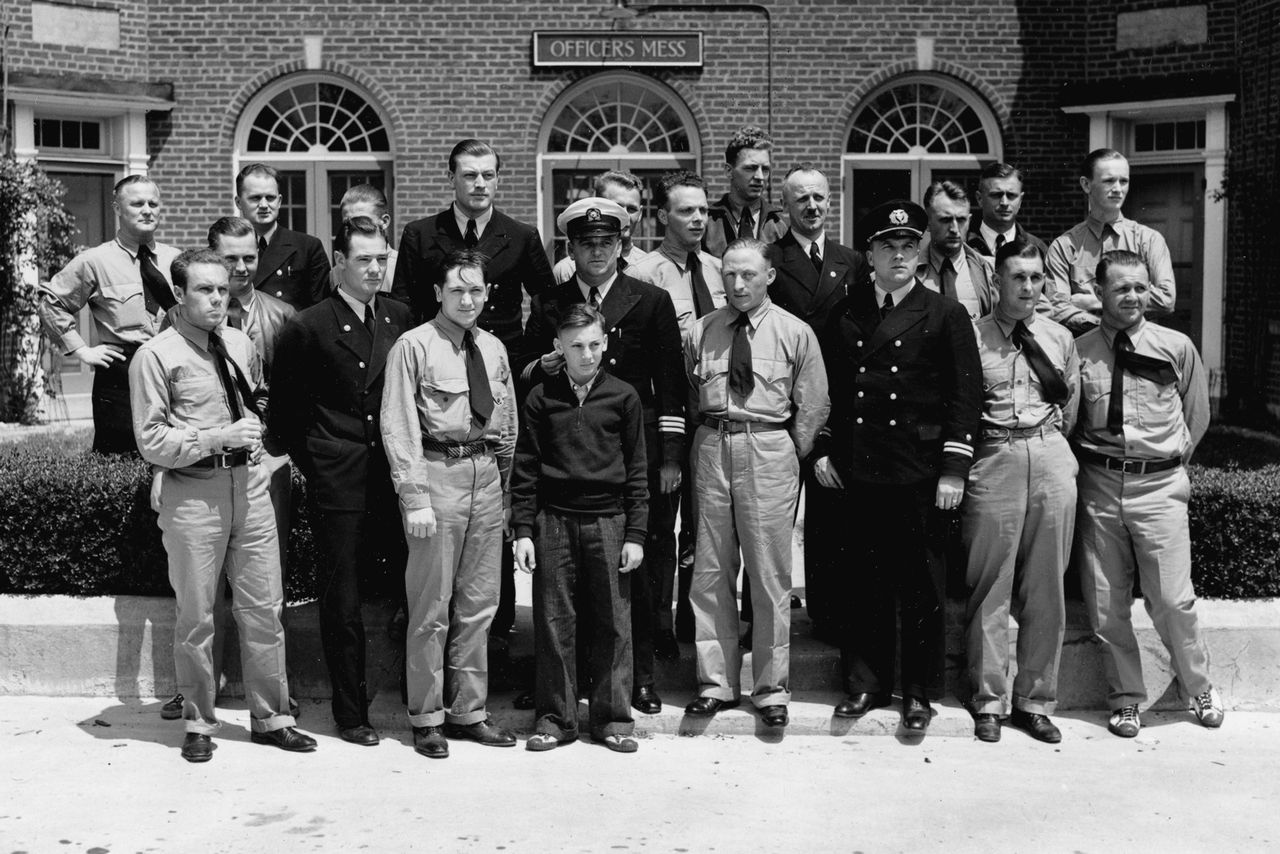
However, 62 men and women survived the tragedy, according to the Smithsonian, including Kubis.
Credit: AP Photo
When the fire broke out, Kubis was located inside the dining room of the Hindenburg. As the airship neared the ground, Kubis encouraged passengers to jump out of a window before he exited the aircraft himself. Kubis reportedly survived the landing without injury.
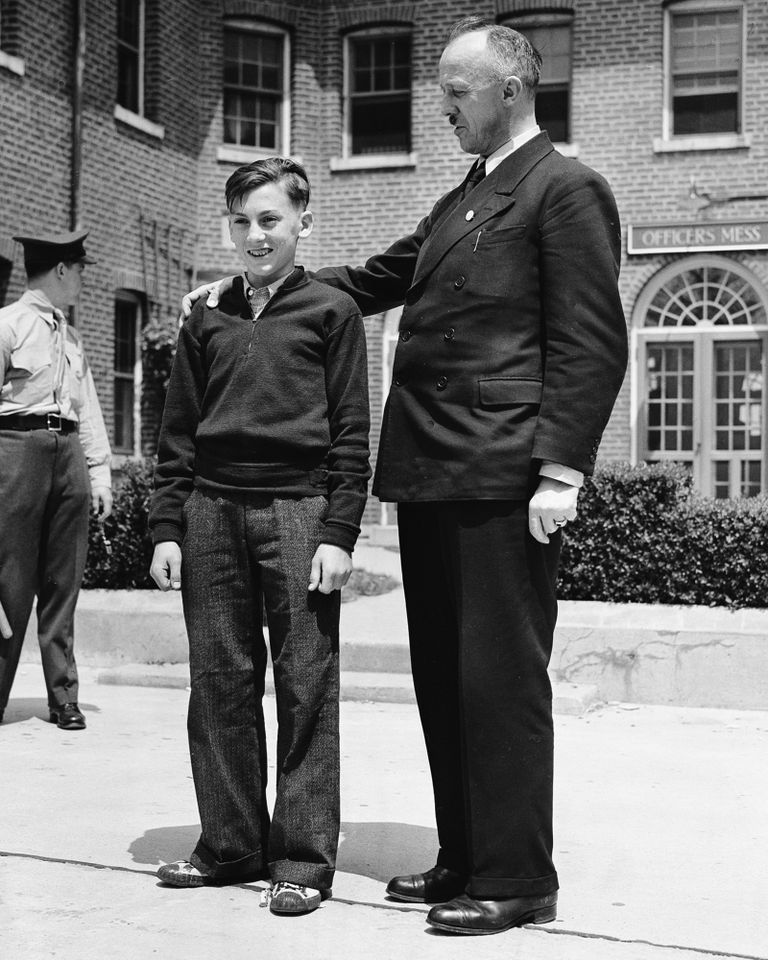
Werner Franz, a 14-year-old cabin boy working on the airship at the time, later recalled Kubis’ encouragement to help even after the crash landing.
Credit: AP Photo
“No one could speak, least of all me,” he recalled to British newspaper The Times before his death in 2014. “I was crying until chief steward Kubis came over to me and put an arm around my shoulders and said ‘Come on! Pull yourself together. Go and see if you can help anyone.’ So I ran back to the ship, but of course there was nothing I could do.”
Never miss a story — sign up for PEOPLE’s free daily newsletter to stay up-to-date on the best of what PEOPLE has to offer, from celebrity news to compelling human interest stories.
Kubis later testified at a U.S. Hindenburg disaster inquiry before returning to Germany, where he lived until his death in the 1970s.
Read the full article here