



The 'Modern Family' stars tell PEOPLE why they wanted to use humor to help educate parents about the potentially deadly illness
Credit: GSK
NEED TO KNOW
Key Takeaways
- Julie Bowen and Ty Burrell are raising awareness about meningitis through GSK’s Ask2BSure campaign
- The campaign highlights the importance of meningitis B vaccination, which many parents don’t realize their teens need
- Bowen and Burrell star in a humorous video to help educate parents while sharing stories from survivors and families affected by meningitis
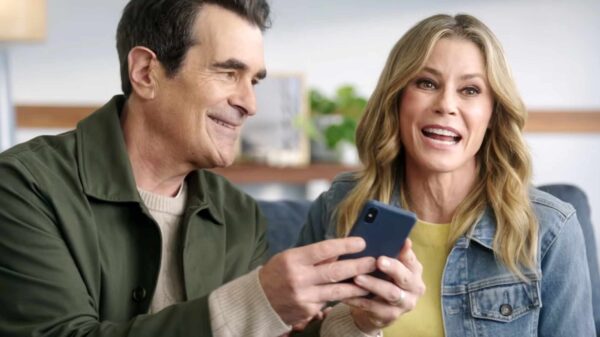
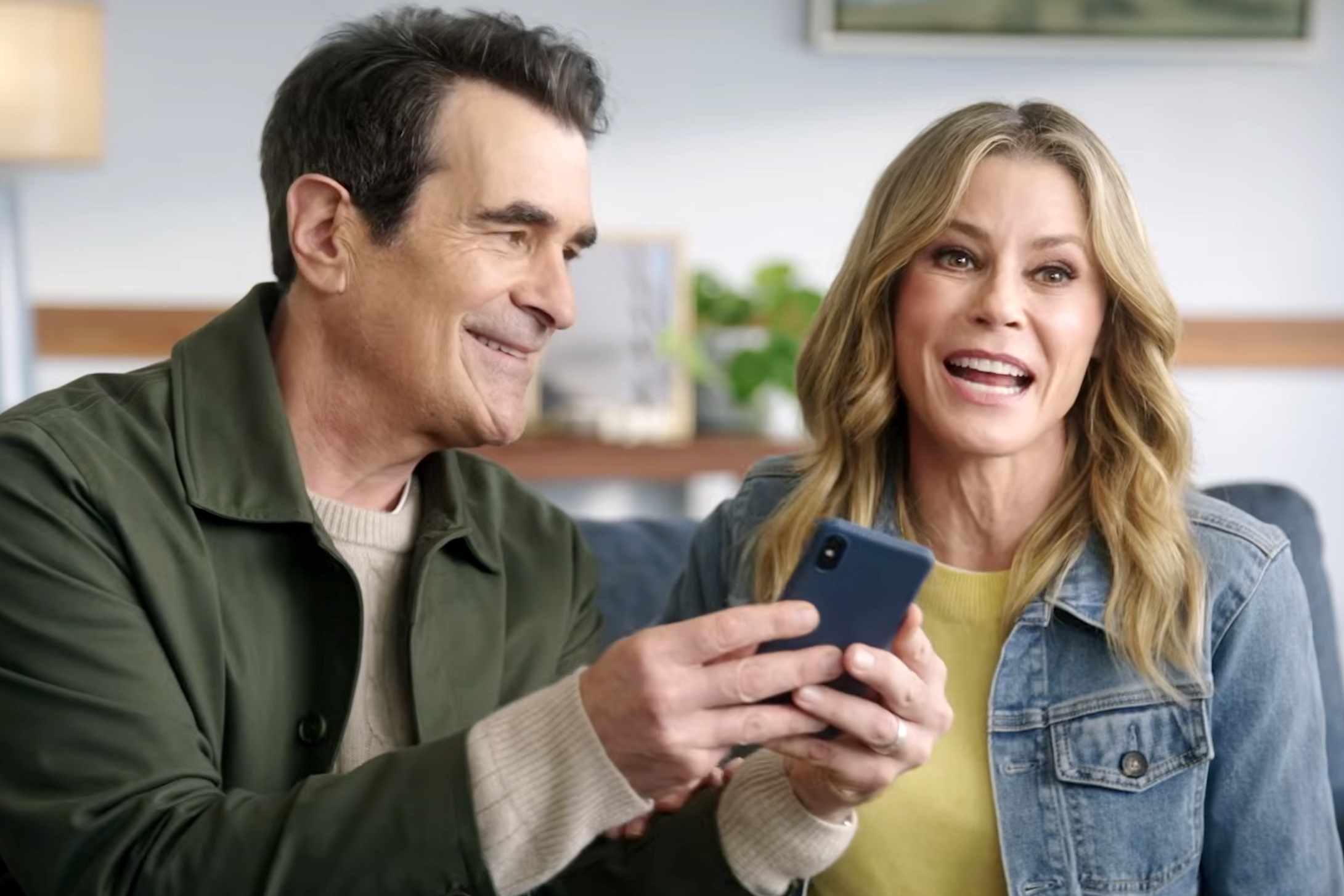
Julie Bowen and Ty Burrell are reuniting for an important cause.
The stars, who played married couple Claire and Phil Dunphy on the Emmy-winning sitcom Modern Family for 11 seasons, have signed on as spokespersons for the Ask2BSure campaign — created by pharmaceutical and biotechnology company GSK — to raise awareness about meningitis and encourage parents to “ask to be sure” about the risks of meningococcal disease.
As parents of teens themselves, both Bowen, 56, and Burrell, 58, say the campaign resonated with them personally.
“I think there's a dance that most parents of teens know about trying to give them their independence, but also trying to keep them safe,” Burrell tells PEOPLE. “And at this particular age, 16 to 23, they're vulnerable to a lot of different things. But specifically in this case, we're talking about meningitis, and it's no joke. And so it's really on us. This is where we have to step in and have a conversation with the doctor.”
Though uncommon, meningitis is a serious illness that can cause permanent complications or death — sometimes within 24 hours — and disproportionately affects teens and young adults, particularly those ages 16 to 23.
GSK's Ask2BSure campaign encourages parents of teens and young adults to ask their children's doctors about meningitis risks and vaccination.
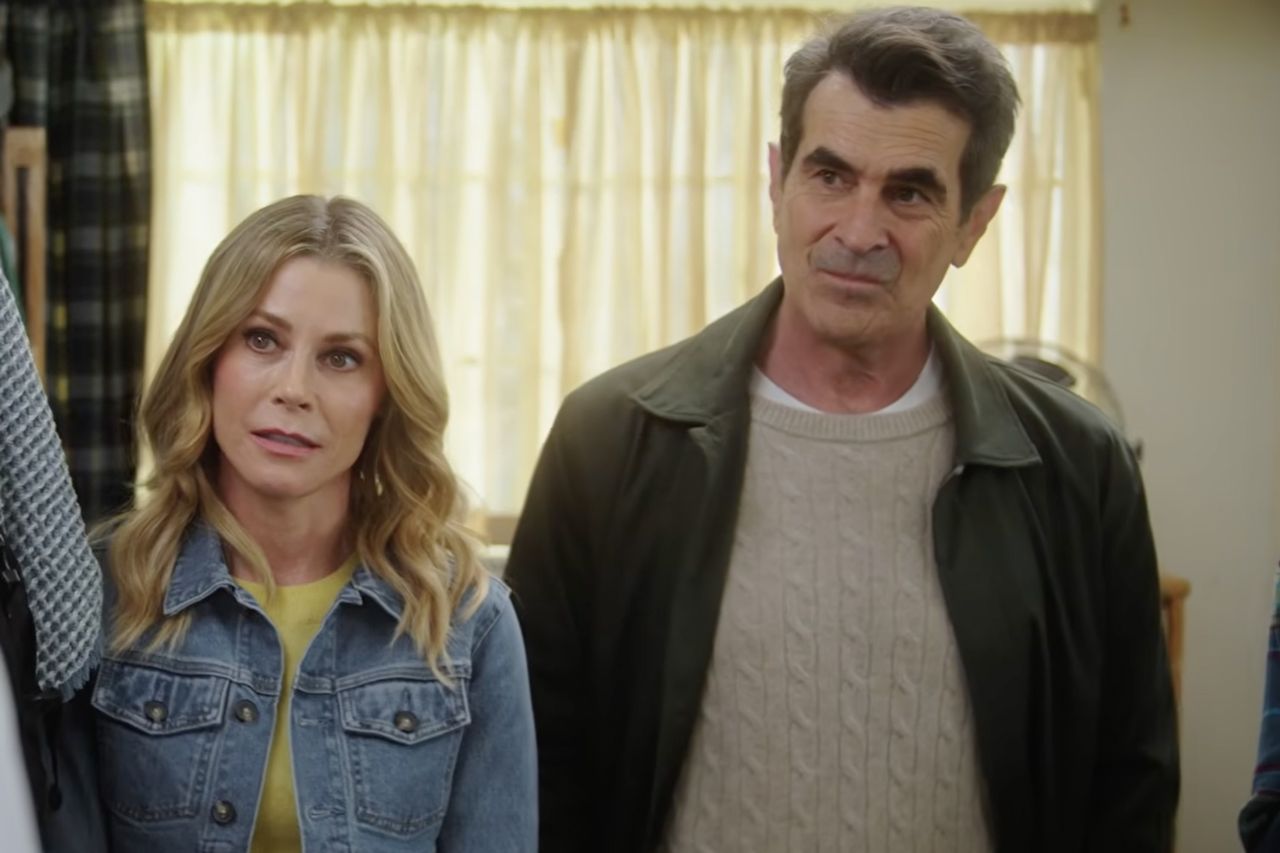
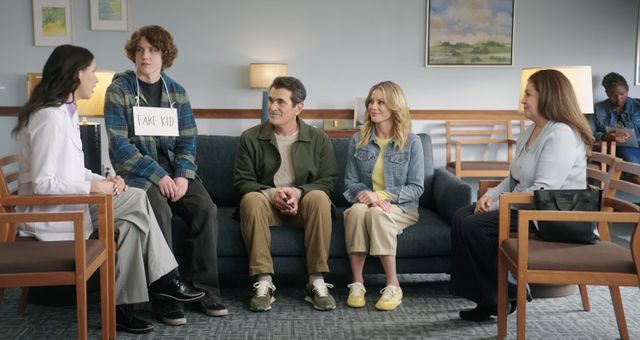
To help promote the initiative, Bowen and Burrell star in a short titled The Mening-Itinerary, which uses humor and relatable parenting moments to educate viewers about meningitis risks.
“We've made many silly things together, so it's really fun to do that with this video, but on behalf of something that we think is important, which is this campaign,” Burrell says. “And the campaign is really just trying to encourage parents of teens to reach out to their doctors and ask the questions about meningitis risk and about vaccinations.”
“We're trying to make it light but informative,” Bowen adds. “And we also get to meet and talk to several survivors, parents and family members of people who did not make it. So it's a serious thing, but we are trying to make it approachable and allow you to know that it's okay to not know.”
“In the only way we know how, which is being idiots,” Burrell quips before Bowen chimes in, “Ding! What he said.”
Credit: GSK
The Mening-Itinerary follows Bowen and Burrell through relatable parenting scenarios while highlighting how teens and young adults may be exposed to the bacteria that can cause meningitis through behaviors like sharing drinks and utensils, kissing, and living in close quarters.
About 10–15% of people who contract meningitis will die, while 1 in 5 survivors experience long-term complications, including limb amputation, brain damage, and hearing loss, according to the Centers for Disease Control and Prevention.
“One in 10 teens and adults who get it don't survive,” Burrell says.
“It's very quick. It can be within 24 hours. And the survivors can also have limb loss and vision loss,” Bowen adds.
Credit: GSK
Never miss a story — sign up for PEOPLE's free daily newsletter to stay up-to-date on the best of what PEOPLE has to offer, from celebrity news to compelling human interest stories.
Bowen says one of the biggest things she learned through the campaign was that there are different types of meningitis vaccinations — and that some parents may mistakenly assume their children are fully protected.
Some teens may have received vaccinations for meningitis groups A, C, W, and Y, but still be missing the meningitis B vaccination.
“I looked at all my [children's] vaccine cards, and I thought, ‘Oh, but there's something about meningitis already on there,' ” Bowen recalls. “You really need that meningitis B vaccine. And that's what we're here to tell people about because I didn't know.”
Read the full article here