




The 'Famesick' author shares what made her realize "we're all the same" in rehab after seeking help for "a dependent relationship with pharmaceuticals"
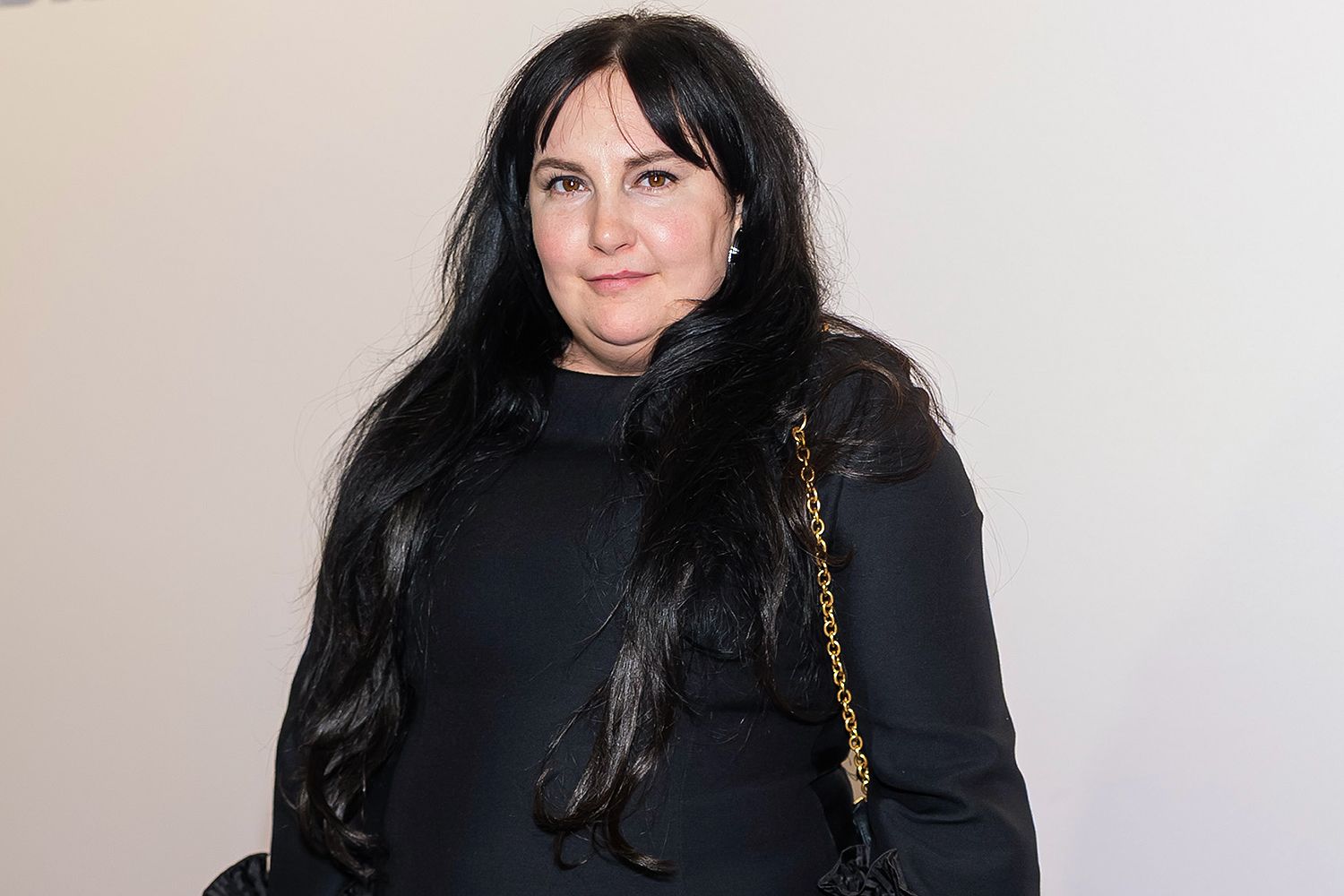
Credit: TheStewartofNY/Getty
NEED TO KNOW
- Lena Dunham entered rehab in 2018 for a dependency on pharmaceuticals, particularly the anti-anxiety drug Klonopin
- During a discussion of her memoir Famesick, Dunham told Rita Wilson that she felt out of place in rehab, comparing herself to others with more severe addiction histories
- Dunham credits her therapist and group therapy for helping her embrace sobriety and connect with fellow patients
Lena Dunham says that she initially thought she didn't "belong" in rehab after seeking help for what she called "a dependent relationship with pharmaceuticals."
"Getting sober was confusing. I didn't realize until the minute that it had to happen, that it had to happen," the Girls creator, 40, told Rita Wilson during a Thursday, May 21, discussion about her memoir, Famesick, in Culver City, Calif.
While Dunham says, "I never liked to drink. I was never a pot smoker," she explained that, "like many people in America, I developed a dependent relationship with pharmaceuticals." Her reliance on medication, Dunham explained, "was always, for me, about making myself well enough, concealing enough of what was going on with me that I could continue."
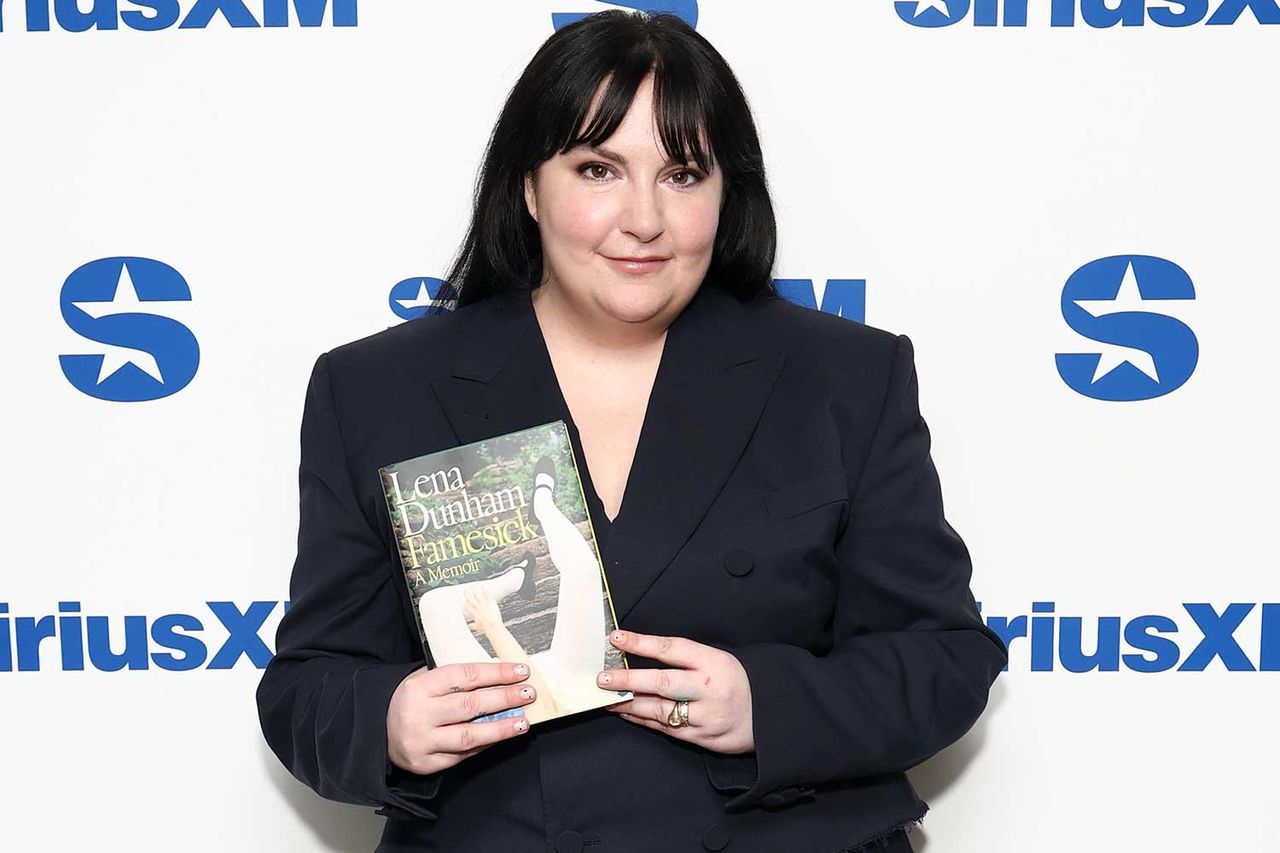
Credit: Cindy Ord/Getty
Taking pills, she said, "felt like it was in service of the work. And then one day you like look around and go, 'My purse sounds like a jangling pharmacy. My pharmacy purse is not cool anymore, and I have to figure this out.' "
Dunham entered rehab in April 2018, previously sharing that "my particular passion was Klonopin," an anti-anxiety drug. But as she told Wilson, her first time in a group therapy session made her think she didn't belong in rehab.
One patient described her addiction journey as: " 'I started out smoking weed and then it moved on to pills and then it was crack and heroin and I never thought I would reach that place,' " Dunham said. "And I was like, 'Girl, what are you doing?' "
"I went to my therapist and I was like, 'I don't belong in this place. These people have done heroin. Are you joking?' "
She described herself as being "like Cindy Lou Who," the naive Whoville child from How the Grinch Stole Christmas: "I was like, 'I've never seen anything like this in my life.' "
Credit: Amy E. Price/Getty
Never miss a story — sign up for PEOPLE's free daily newsletter to stay up-to-date on the best of what PEOPLE has to offer, from celebrity news to compelling human interest stories.
Her therapist, she said, "pulled the best mind trick on me," encouraging Dunham to stay because she could help the other patients. "He said, 'Why don't you keep going because you might have something to offer them. They might need you, if you're such a good girl … I think they could stand to learn from you.' "
By the fifth day in rehab, "I'm, like, sobbing in their laps. I'm like, 'We're all the same person. I'll never let you go,' " she recalled.
"They're your friends for life that you never see again," Dunham said. "That's exactly as it should be."
If you or someone you know is struggling with substance abuse, please contact the SAMHSA helpline at 1-800-662-HELP.
Read the full article here