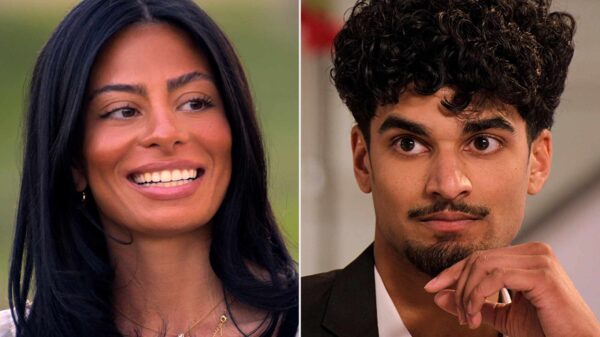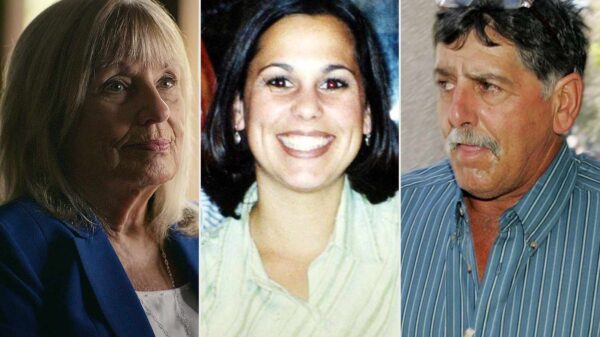
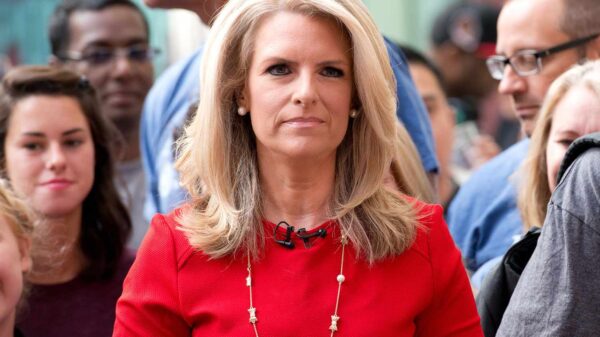

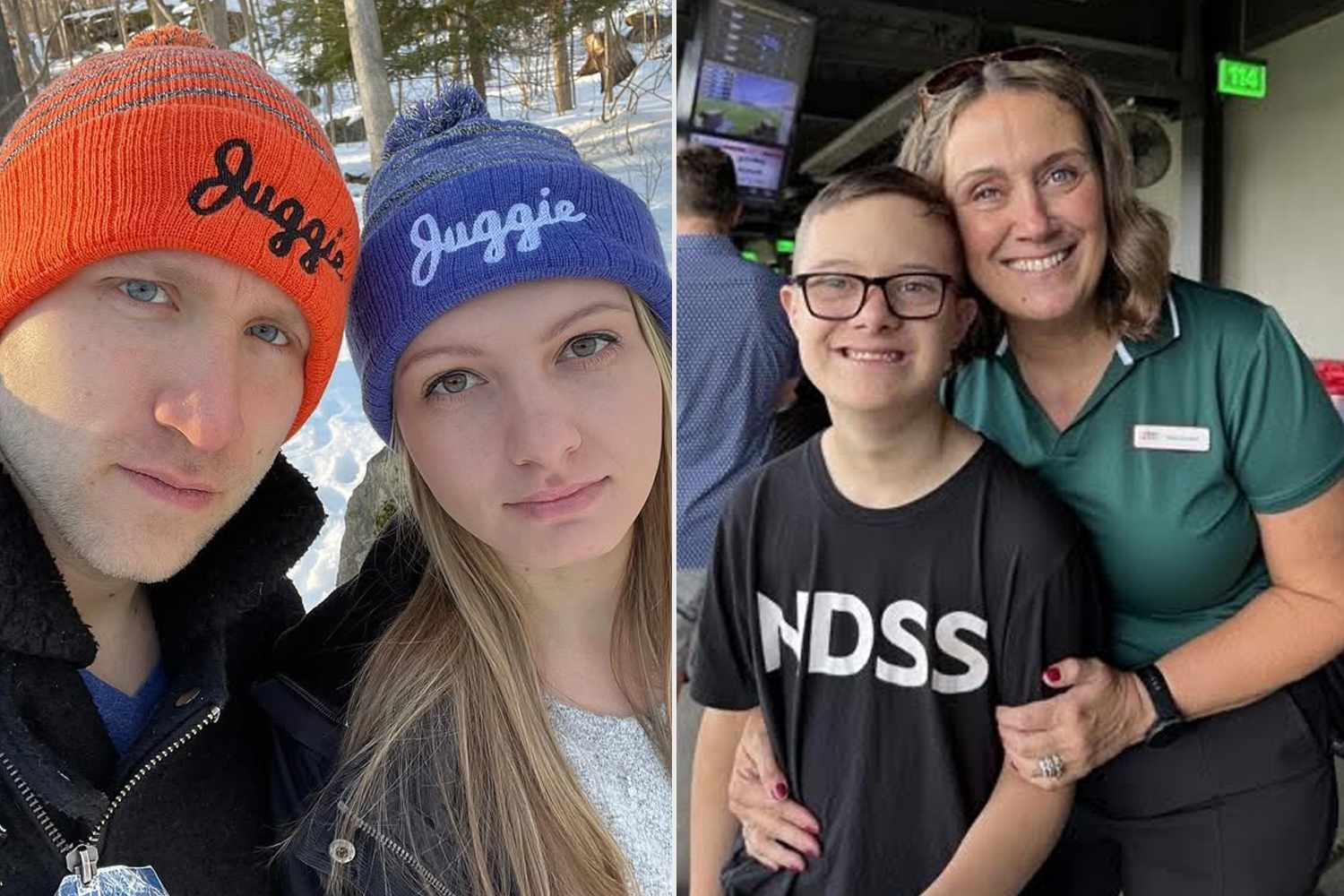
CEO of the National Down Syndrome Society, Kandi Pickard, tells PEOPLE that the diagnosis can be "scary" for parents, but wants everyone to have "the correct and accurate information"
Credit: Jesse Ridgway/Instagram; National Down Syndrome Society (NDSS)
NEED TO KNOW
- Kandi Pickard, CEO of the National Down Syndrome Society, is responding to YouTuber Jesse Ridgway’s comments that raising a child with Down syndrome “isn’t a blessing”
- Ridgway recently announced that he and his wife Ashley made the “difficult decision to terminate” her pregnancy after receiving a fetal Down syndrome diagnosis
- Pickard, whose son has Down syndrome, says she “vehemently disagrees” with his sentiments
The CEO of the National Down Syndrome Society, Kandi Pickard, is responding to Jesse Ridgway's recent comments that Down syndrome "isn't a blessing."
In a series of posts on Ridgway's Instagram Stories on Wednesday, June 3, the YouTuber shared that he and his wife Ashley, 31, made the "difficult decision to terminate" their pregnancy after receiving a fetal Down syndrome diagnosis.
In the couple's statement, Ridgway, 33, said the diagnosis "isn't a blessing," adding that the chromosomal condition is "objectively s—ty from a health perspective" and "rough" for the child and their family.
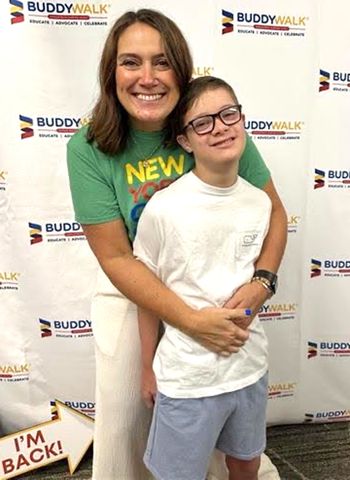
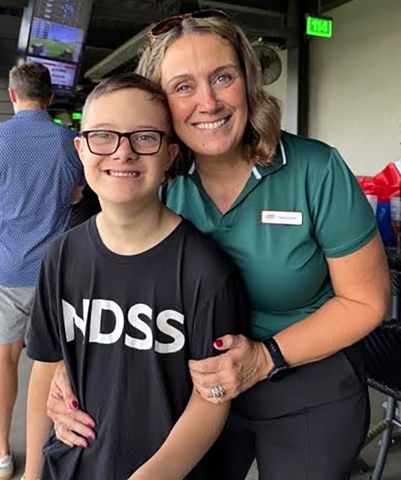
While speaking with PEOPLE about Ridgway's comments, Pickard, whose 14-year-old son Mason has Down syndrome, says she does not agree with his view.
"When [Jesse] says that Down syndrome isn't a blessing, as a parent, I vehemently disagree," says Pickard.
"There's statistics out here from individuals with Down syndrome and also from their families that 99% of people with Down syndrome are happy with their lives and they like who they are," she continues. "99% of families say that they love their children and they're proud of them. I think that this is valuable information to understand."
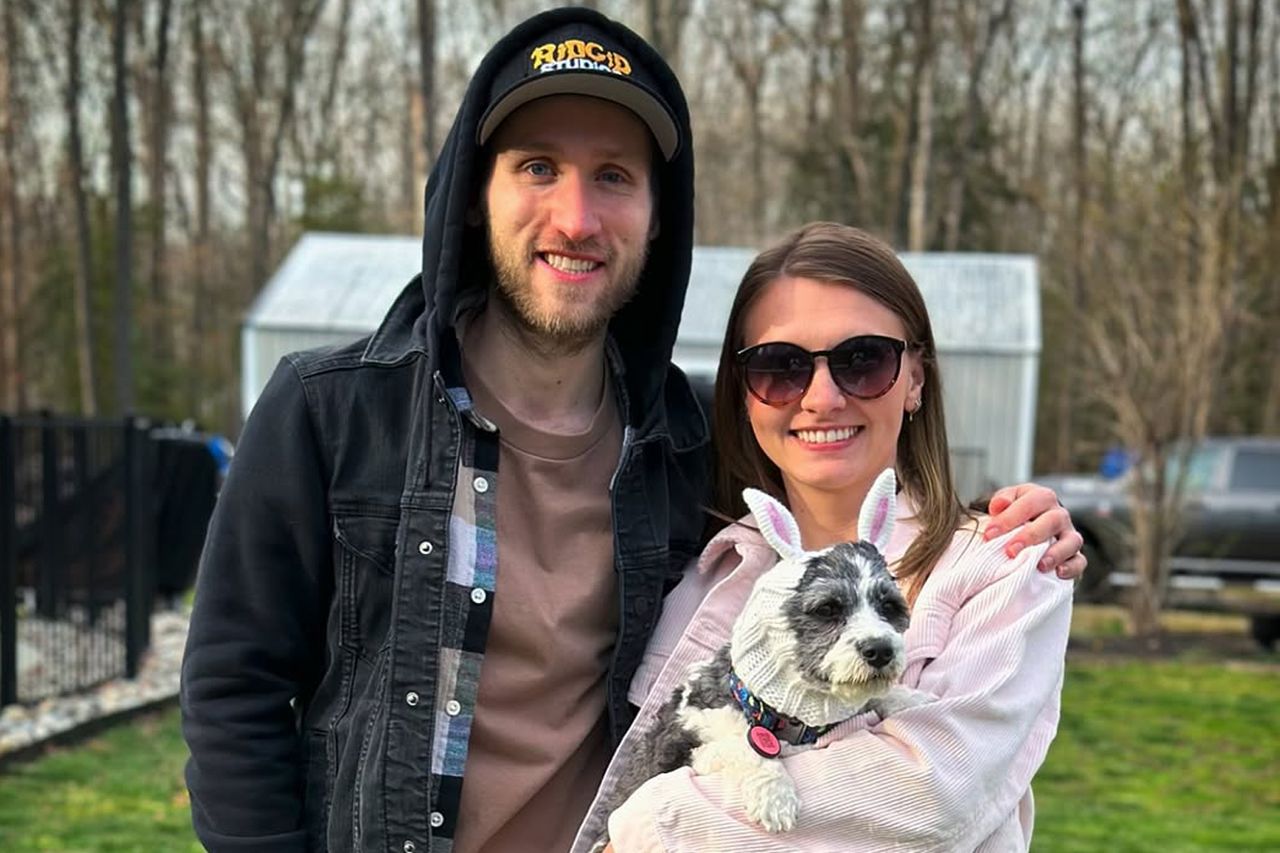
Credit: Jesse Ridgway/Instagram
Pickard acknowledges that the diagnosis can be "scary" for parents. However, she says it's important that families "have the correct and accurate information to make their own decisions."
Echoing her sentiments, Dr. Eboni January, a board-certified OBGYN, published author and women's health advocate, tells PEOPLE that a Down syndrome diagnosis can oftentimes be "very emotionally devastating for a family."
In her role, she says she aims to provide accurate medical information and connect families with the right professionals. "I don't believe that a moment like this really should be reduced to a headline, a comment section, or just even a moral debate," Dr. January tells PEOPLE. "Not everyone may be equipped to deal with certain things, and so we have to make sure that they understand those things. It's not one same story."
Dr. January says she strives to equip families with the information they need while avoiding "fear-based counseling."
"It's more so reassurance and connecting them with the resources that they need," Dr. January says. "The true important thing is that we have to make sure that we extend compassion in every single direction."
Dr. January adds that doctors have no way to determine the severity of the diagnosis during the pregnancy.
"Some people will have close-to-normal lives. You see this all the time in the community, which I love to see individuals with a diagnosis who are able to work," she says. "Then you have some that may have various conditions, hearing, heart defects and so there are a lot of doctor's visits that go into place."
Credit: National Down Syndrome Society (NDSS)
In his initial post, Ridgway said that the list of health risks that can be associated with Down syndrome, including heart defects, hearing challenges and delayed physical development, played a role in the couple's decision to end the pregnancy.
Pickard says many of the conditions associated with Down syndrome can vary, explaining that some hearing conditions can be improved with tubes, vision issues can be treated with glasses and the survival rate for the most common heart defect is 97 percent.
With her patients, Dr. January says she always reiterates that everyone's experience with Down syndrome will be different.
"Your child may have some type of heart defect, but then they may not. They may have a hearing defect and maybe not. Maybe have a combination of the two," she says. "All we can do is tell you what the particular symptoms, signs, what the outcomes may be, but we can't tell you one way or another whether this is going to 100 percent happen."
Credit: National Down Syndrome Society (NDSS)
Never miss a story — sign up for PEOPLE's free daily newsletter to stay up-to-date on the best of what PEOPLE has to offer, from celebrity news to compelling human interest stories.
When it came to her own son's diagnosis, Pickard says, "It was something where we wanted to really understand more about Down syndrome and we made a decision as a family, obviously, in our own way," she says.
"When I've talked to families who are going through this moment in their pregnancy, they just want to be listened to and understand how they're feeling and then also be given the facts for them to go have a conversation with their families," she continues.
Dr. January says the best advice she can give anyone preparing to welcome a child into the world is to "build their village."
She says, "You have to understand that we can't go through this life by ourselves."
Read the full article here