
Human trials are slated to begin this month using the compound, which is also known as magic mushrooms
Credit: Getty
NEED TO KNOW
- Early research suggests psilocybin may prevent chemotherapy-related nerve damage
- The study observed the compound (commonly referred to as magic mushrooms) preventing nerve damage in mice, with no impact on tumor growth or immune response
- Because this study was so successful with rodents, human trials are slated to begin this month
Early research indicates that psilocybin may help curb nerve damage from chemotherapy.
In a study published in the journal Science on Sept. 3, scientists reported that prophylactic medical use of psilocybin — the hallucinogen commonly referred to as magic mushrooms — prevented peripheral neuropathy (nerve damage resulting from chemotherapy) in mice. Because the study was so successful with rodents, researchers are starting trials in human participants this month, The New York Times reported.
Peripheral neuropathy, which describes any nerve damage outside the brain and spinal cord, can cause numbness, loss of reflexes, difficulty moving, and pain, per Cleveland Clinic. The condition is “common, disabling, and often irreversible” in chemotherapy patients, the study stated.
The study found that administering two doses of psilocybin in pill form to mice before they underwent chemotherapy prevented “pain hypersensitivity caused by neurotoxic chemotherapies.” Furthermore, those initial two doses protected the subjects across six consecutive rounds of chemotherapy and through the eight-month period of the study.
In recent years, psilocybin has primarily been used to address mental health and psychiatric conditions like depression, anxiety and addiction, per Johns Hopkins Medicine. Currently, psychedelic use is only legal in Oregon and Colorado and is illegal at the federal level, per The Psychedelic Journal.

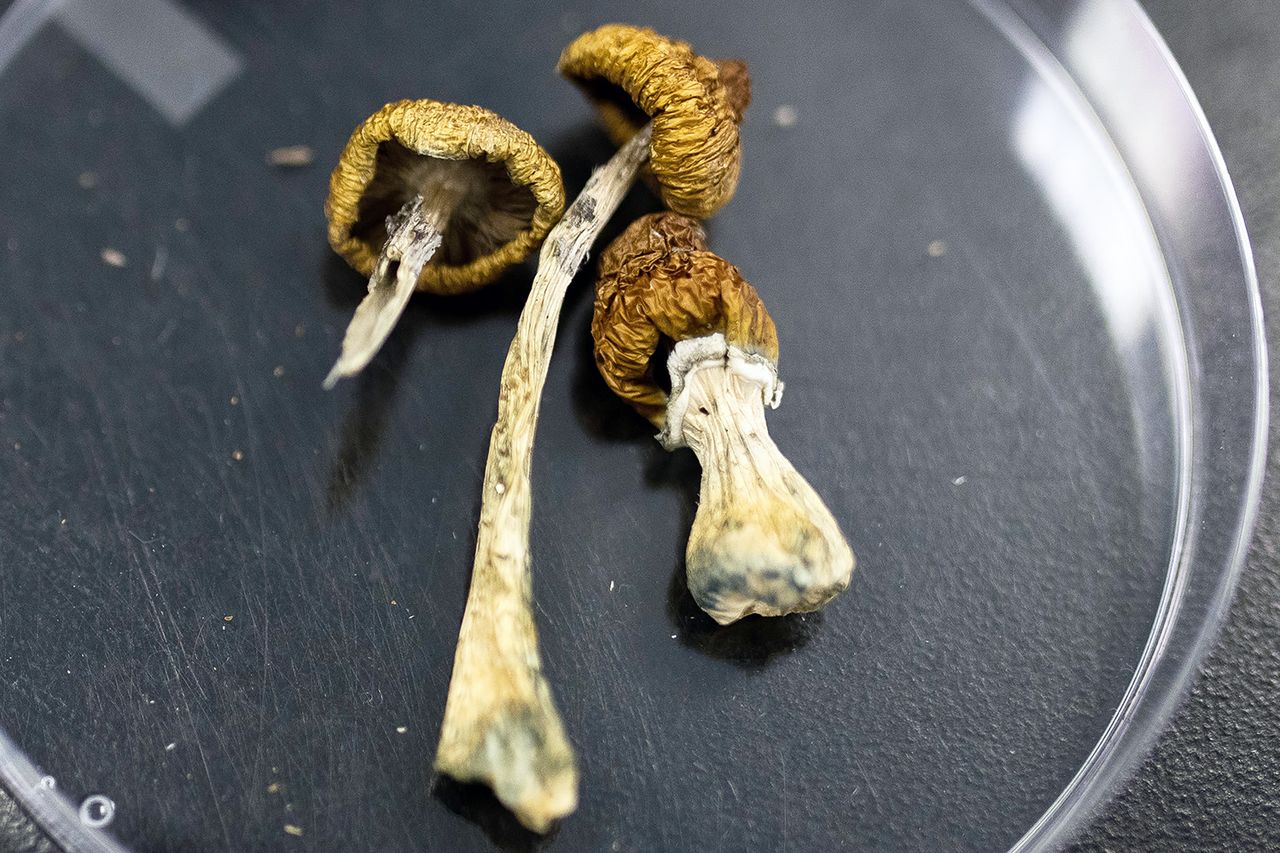
Credit: James MacDonald/Bloomberg via Getty
Psilocybin treatments in mice proved especially promising because they also had no impact on tumor growth or immune response, avoiding two critical adverse side effects from chemotherapy. This means that psilocybin use could benefit a wide range of patients at different stages of cancer.
The mice’s neuropathy protection from psilocybin was also not contingent on the mushroom’s hallucinogenic properties, as both hallucinogenic and non-hallucinogenic versions of the treatment produced the same results.
It’s not yet clear if psilocybin has an impact on treating or reversing existing neuropathy cases.
According to the National Library of Medicine‘s clinical trials record, human trials for psilocybin’s impact on preventing neuropathy will first be examined in people with breast, colorectal, and head and neck cancers.
Instead of the two doses administered to the mice, this trial will administer four doses to patients — two before and two during treatment. Researchers will also record markers of participants’ quality of life, including sleep, mental health, pain and functionality.
Read the full article here