
The western spotted skunks, a species usually uncommon in wildlife centers, were released back after weeks of rehabilitation
Credit: San Diego Humane Society
NEED TO KNOW
- A group of rare western spotted skunks was rehabilitated and released by the San Diego Humane Society
- These skunks are known for their unique spotted fur and handstand defense mechanism
- Two skunks remain in care to ensure proper development before their release
After spending weeks getting strong and learning to socialize, a crew of adorable skunk friends is back in the wild.
The San Diego Humane Society’s Ramona Wildlife Center recently received six western spotted skunks for rehabilitation, including an orphaned skunk that Flying Tails Animal Rescue flew more than 400 miles to join the other animals in recovery.
Since the western spotted skunk makes its home in the remote forested regions of California, the San Diego Humane Society (SDHS) doesn’t often treat the species — though striped skunks, who often live in more developed areas, are routine patients.
“We have never seen this many western spotted skunks in a single season before,” Autumn Welch, the wildlife operations manager at San Diego Humane Society’s Ramona Wildlife Center, said in a statement. “Because they are more reclusive than striped skunks, they require very specific care and even more secluded release sites to ensure they can stay wild.”

Credit: San Diego Humane Society
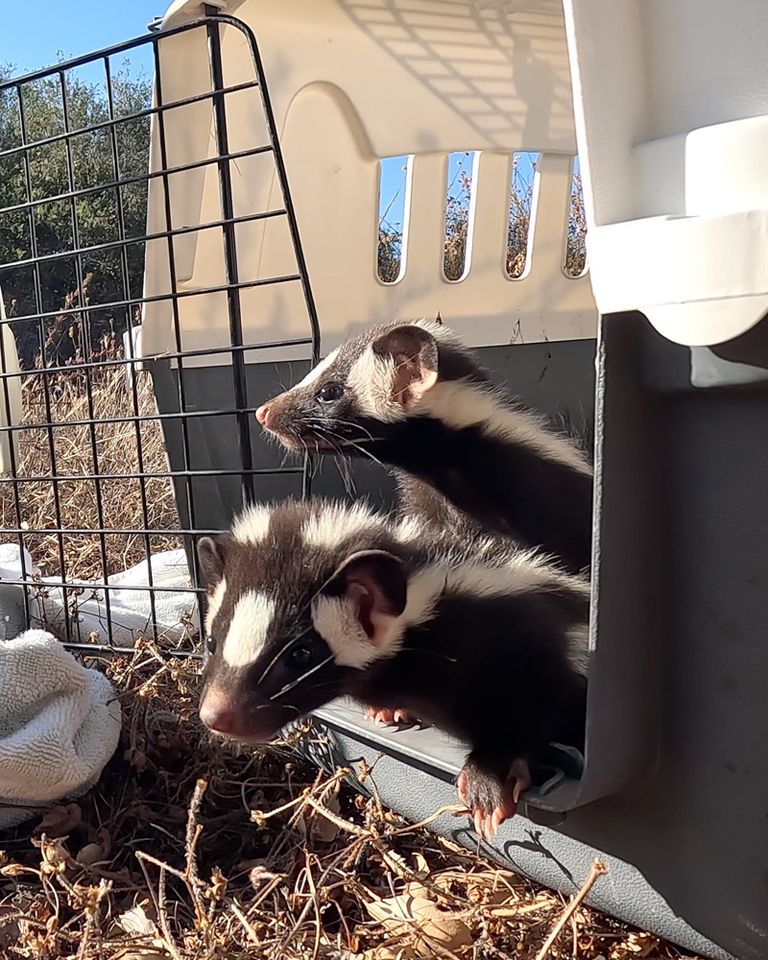
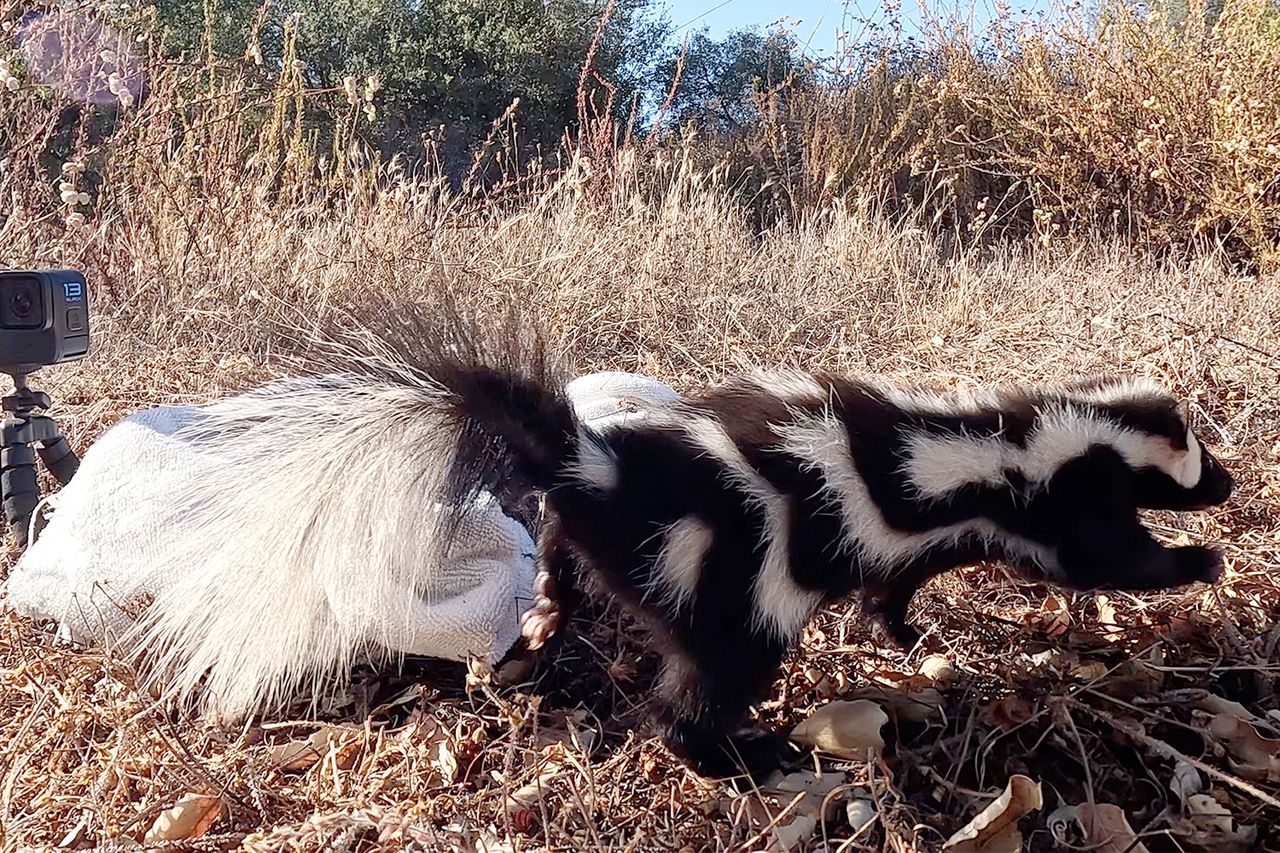
SDHS happily provided that care to the western spotted skunk group, helping the struggling animals prepare for life in the wild. Four of the animals were recently cleared for release — after meeting the wildlife center’s weight requirements and developmental standards to survive on their own — and returned to the wild in a remote area of Valley Center, Calif. The orphaned skunk who was flown more than 400 miles to join the other animals was among those released.

Credit: San Diego Humane Society
The humane society noted that socialization is vital for orphaned spotted skunks, so keeping the group together for rehab was key to their success. During their stay at the center, this group became a “bonded unit.” They spent their days exploring, digging, and sleeping together.
Never miss a story — sign up for PEOPLE’s free daily newsletter to stay up-to-date on the best of what PEOPLE has to offer, from celebrity news to compelling human interest stories.
The two remaining spotted skunks at Ramona Wildlife Center are preparing for their own release. SDHS expects the pair to be ready for the wild in the next month or two, when they will be released together.
Credit: San Diego Humane Society
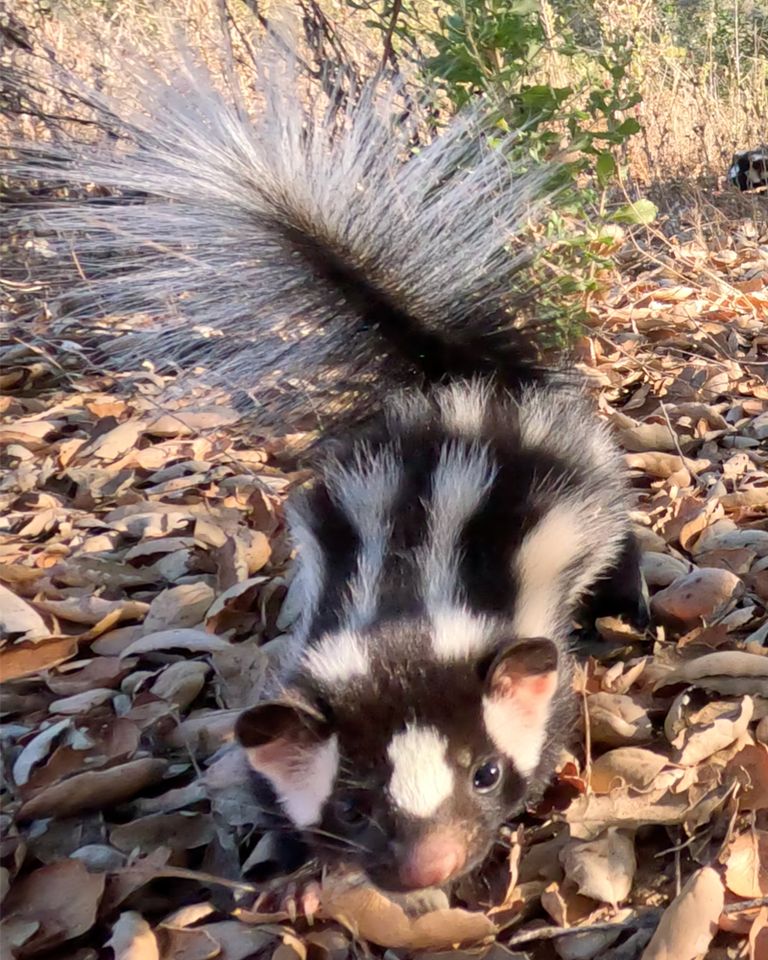
Western spotted skunks are largely nocturnal and about the size of house cats. Research from the University of Minnesota shows that the species population crashed in the 1940s and has been declining ever since.
These adorable little critters are the true “acrobats” of the skunk world. To keep predators at bay, they bust out a unique defense mechanism: a full-on handstand.
“When they’re stressed, they bounce up onto their forelimbs and then kick out their hind limbs, puff their tail up, and they actually can walk towards the predator, like basically making them look bigger and scarier,” Adam Ferguson, the Negaunee collections manager of mammals at the Field Museum in Chicago, told CNN.
Read the full article here